Climate Change Has It In for the World’s Best Surfing
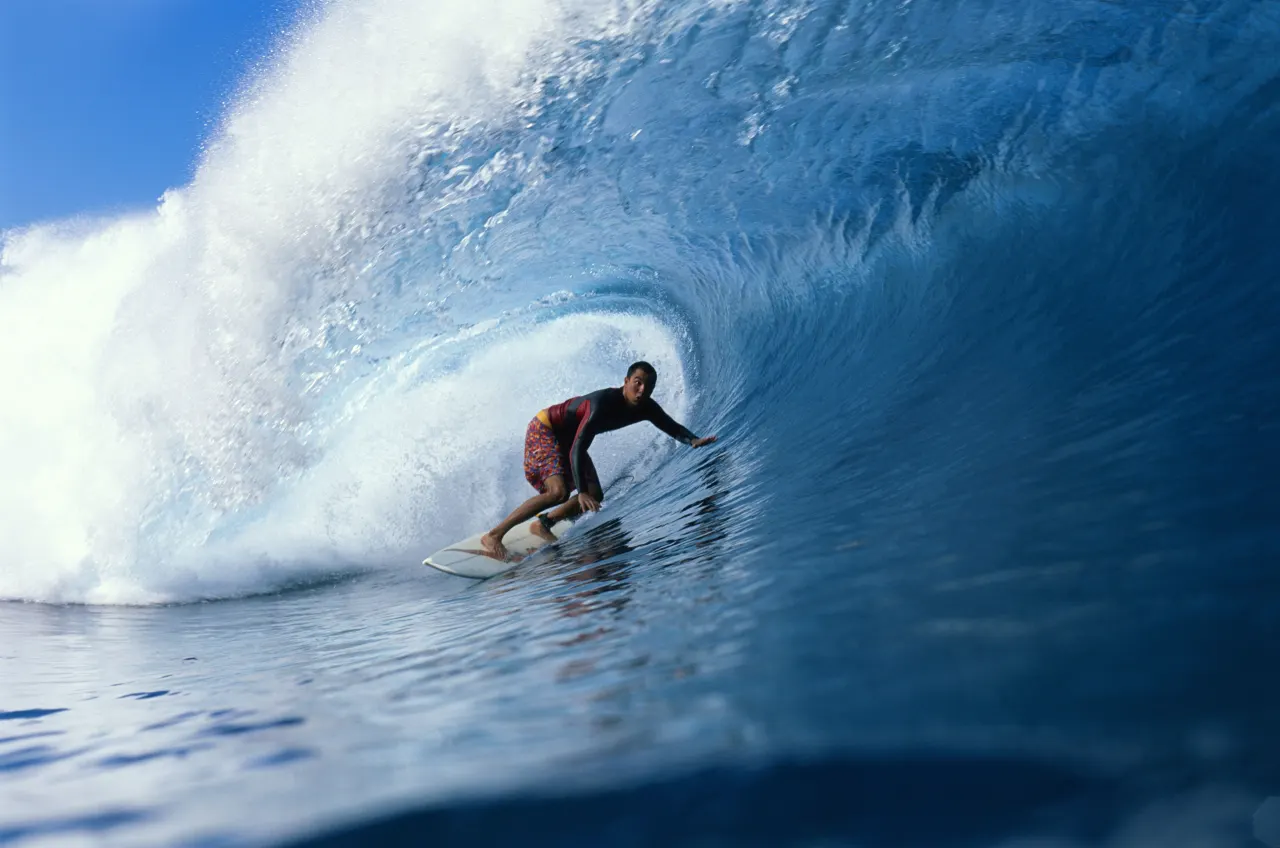
A study of famous surf breaks in protected World Surfing Reserves found that more than three-quarters face high risk from climate change and coastal development. The threat matters beyond the waves themselves: surf tourism supports local jobs and economies, while changes to a break can also signal wider changes to the beach.
Almost 200 local experts assessed 57 breaks across 11 of the 13 reserves in eight countries. Rising seas and shifting rainfall can alter tides, sediment and sand, while sea walls, jetties and groynes limit the ability of coastlines to adapt. High-risk sites include Croyde Beach in North Devon, Noosa in Australia, Oriente Salvaje in El Salvador and reefs near Santa Cruz, California; researchers say natural coastlines are generally more resilient.
- More than three-quarters of assessed reserve surf breaks face high risk.
- Climate change and coastal structures can alter the conditions that create waves.
- Local surfers’ knowledge may help protect breaks and beaches.
Both sides, in good faith
The strongest fair case each way — we don't pick a winner.
The case for
The findings support stronger protection of surf breaks and their surrounding coastlines: sea-level rise, changing rainfall and hard coastal structures can alter the sand and sediment that make waves surfable. Because these places also support tourism and local livelihoods, planning that preserves natural coastal movement could protect both community interests and wider beach ecosystems.
The case against
Risk assessments can inform planning, but they do not by themselves establish which interventions are proportionate or affordable at each site. Coastal communities may also need infrastructure to protect homes, businesses and public spaces, and restricting development or engineering could impose costs; decisions should weigh those needs alongside uncertain local impacts and the benefits of surf tourism.