The CO2-absorbing building made of old sinks, windscreens and toilets: Ghent’s £17m design museum is a green marvel
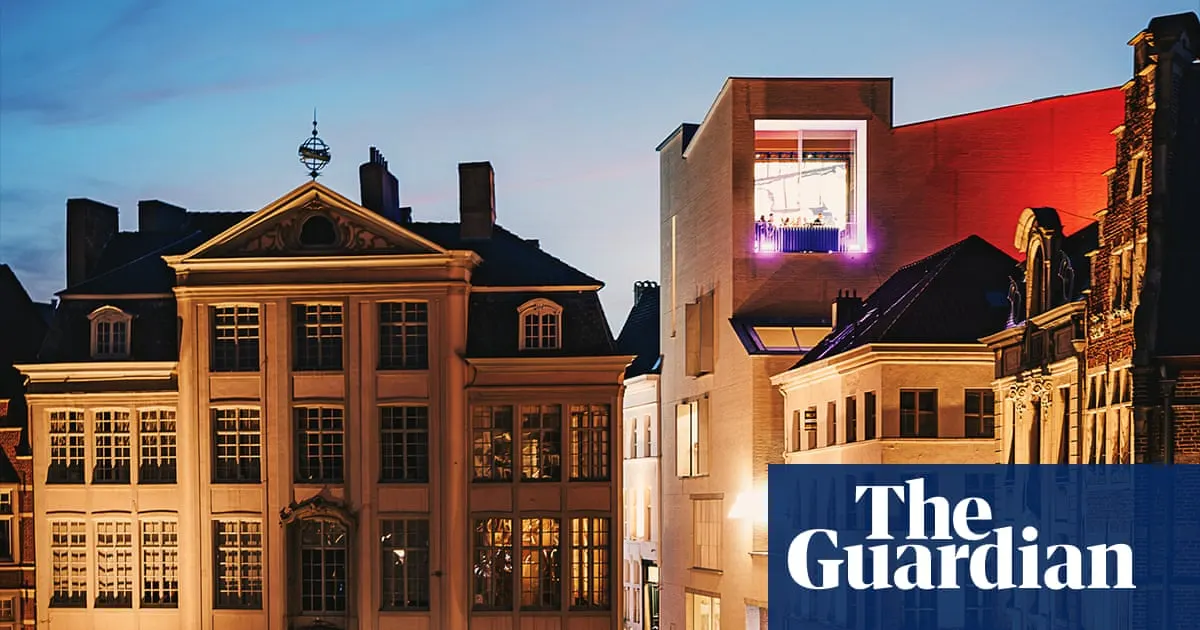
Ghent’s new £17m design museum has been built using materials reclaimed from nearby construction and demolition, turning waste into a prominent civic building. Its designers say the project demonstrates how reuse can cut building emissions and involve local people, while the museum aims to serve the wider community.
The building includes 62,000 bricks made with 63% construction waste gathered within 8km; they are compressed with hydrated lime, which continues to absorb CO2 as it cures. The bricks save about two-thirds of the embodied carbon of conventional fired clay bricks, and members of the public helped make them at a two-day festival. A panel of 40 randomly selected residents also advised on the museum’s design and public spaces.
- Ghent’s new design museum reuses locally sourced building waste.
- Its bricks contain 63% construction waste and absorb CO2 as they cure.
- Residents helped make bricks and shape the museum’s public spaces.
New here? Start with this
Buildings can have a large carbon footprint because making and transporting materials such as bricks uses energy and produces emissions. Reusing materials from demolished buildings can reduce the need for new resources, though the result depends on how the materials are processed and used.
Ghent is a city in Belgium, and its design museum is a public institution for exhibitions and events. Architects, builders and local authorities shape how such civic buildings are made and used, while residents may have a say in how they serve the community.
The project brings together two questions: how to reduce emissions from construction, and how to make a public building relevant to local people. Its approach offers an example of reuse at building scale, while the museum’s longer-term environmental impact and public role will depend on how it performs over time.