Springfield’s Haitian community faces deportation as US policy shifts
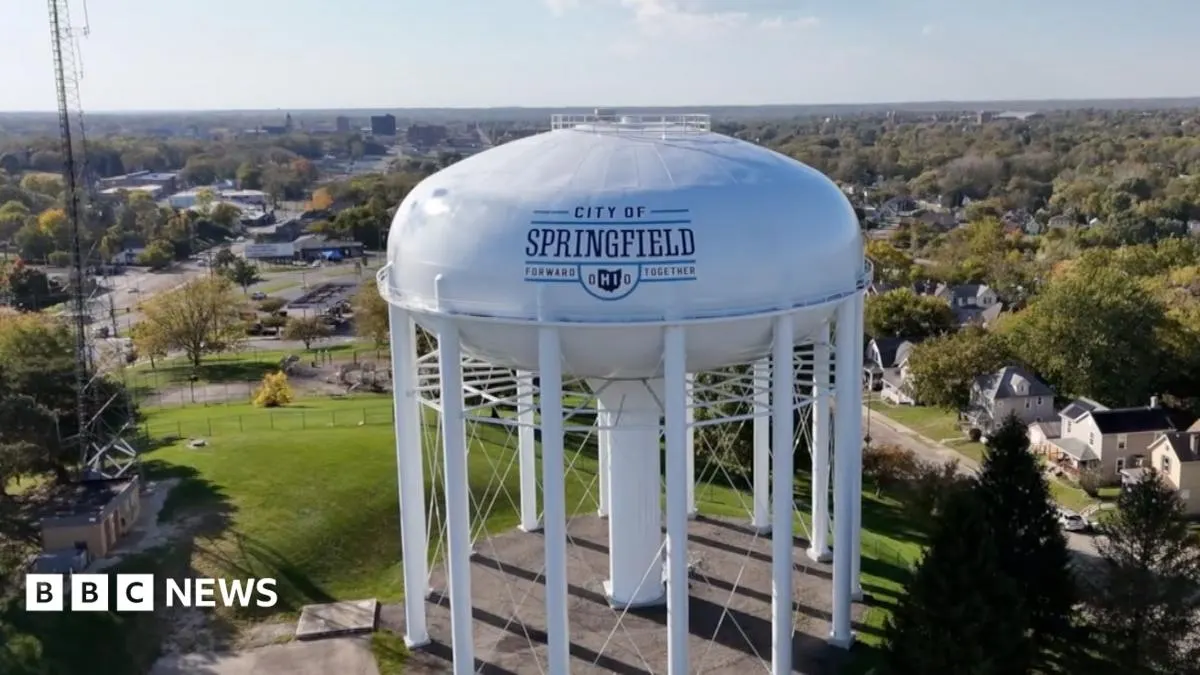
Springfield, Ohio, has become a symbol in the US debate over immigration as President Donald Trump’s deportation drive affects its Haitian community. The town’s story also reflects a wider pattern: industrial decline followed by an influx of migrants drawn by affordable housing and low-paid work.
Pierre Damas Bel, a 20-year-old Haitian migrant, died after walking into traffic near Springfield on 31 August. His family linked his death to the shame he described over wearing an ankle monitor while facing deportation; ICE has rejected blame for his death. The Supreme Court upheld the administration’s decision to end Temporary Protected Status for about 350,000 Haitians, while the administration has terminated TPS for more than a million people from 13 countries.
- Springfield’s Haitian community faces growing deportation pressure.
- Pierre Damas Bel died after being fitted with an ankle monitor.
- TPS has been terminated for more than a million migrants from 13 countries.
New here? Start with this
Springfield is a city in Ohio that lost many industrial jobs over several decades. Haitian migrants later moved there, drawn by relatively affordable housing and work, including in factories. Their arrival has made the city part of a wider US debate about immigration and the role of migrants in local communities.
Temporary Protected Status, or TPS, is a US immigration arrangement that lets people from countries facing serious hardship live and work in the country for a limited time. US presidents and their administrations decide whether to grant or end that protection, and those decisions can be challenged in court. Haitians with TPS are among several migrant groups affected by changes to the programme.
Americas Art Culture Government Politics World
Read the full article at the source →
Originally published by BBC World as “Haitian migrants changed this US town – Trump’s deportation drive is reshaping it again”.