John Healey vows to be a chancellor ‘who backs business’ ahead of Budget
Developing story first seen 1 hour ago
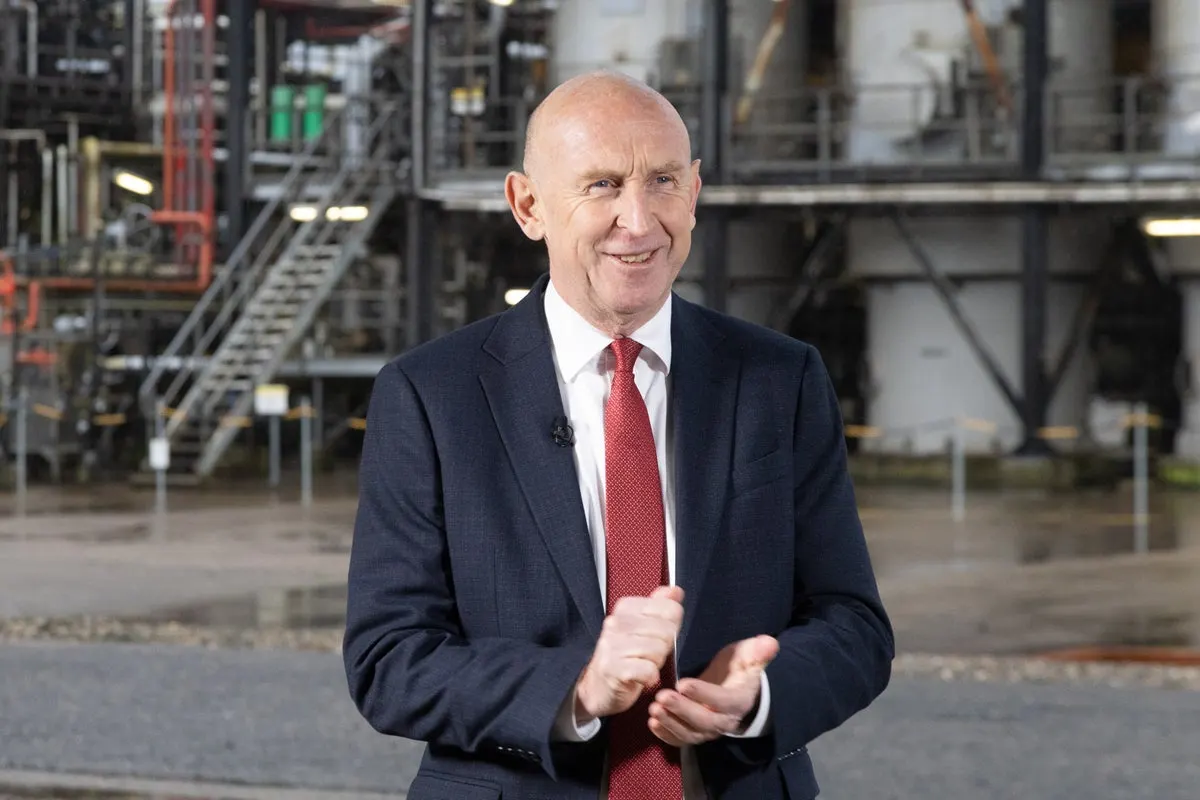
John Healey has pledged to make his first Budget supportive of businesses, saying he will consider ways to reduce the cost of doing business. The comments are part of Labour’s effort to repair its relationship with firms and come as businesses face pressure from the cost-of-living crisis.
Government borrowing reached £24.5 billion last month, more than expected, while higher borrowing costs and weaker growth have narrowed the public finances’ headroom. Business group chief executive Rain Newton-Smith urged the Chancellor to give firms room to invest and warned that raising the bank profits surcharge from 3% to 8% could damage competitiveness. She said financial services support more than 650,000 jobs outside London and contribute over £200 billion to the economy each year.
- Sources
- 2
- Outlets
- 2
- Left · Centre · Right
- 1 · 0 · 1
In short
- Healey says his Budget will seek to reduce business costs.
- Borrowing and weaker growth constrain the public finances.
- Business leaders warn against higher taxes on financial services.
How this story developed
- 4 minutes ago Chancellor John Healey says his Budget will consider reducing the cost of doing business and promises to back British firms and entrepreneurs.
- 31 minutes ago John Healey has pledged to make his first Budget supportive of businesses, saying he will consider ways to reduce the cost of doing business.
Full account
John Healey has pledged to be a chancellor who supports profitable businesses and the entrepreneurs behind them, as he prepares for his first major fiscal statement. In an interview with The Times, he said he was mindful that firms, like households, had faced pressure from the cost-of-living crisis. He said the Budget would consider the cost of doing business, and praised entrepreneurs for developing new ideas and persevering through difficult conditions.
The message comes amid efforts to ease concern among businesses about the Budget and repair Labour’s strained relationship with the sector. The chief executive of a major business group has called for firms to be given room to invest, hire and innovate. She has also warned against increasing taxes on financial services, arguing that the sector supports jobs across the country and contributes substantially to the economy. The reports say a higher surcharge on bank profits is one option under consideration, though no decision is reported.
The public finances form a difficult backdrop. Borrowing last month was higher than expected, at £24.5 billion, while the national debt reached £3 trillion, according to the reports. They also point to higher borrowing costs linked to the Iran war and weaker growth as factors narrowing the government’s fiscal room. The second report adds that inflation rose to 3.5 per cent in the year to September and that analysts expect the Bank of England to raise interest rates, putting further pressure on mortgage holders.
Healey has defended the previous increase in employers’ National Insurance contributions, despite acknowledging the pressures on firms. The second report says he has signalled that capital gains tax rates will not rise, and mentions possible help with household energy bills. Taken together, the accounts show a government seeking to reassure business while facing demands for revenue and limited room for support; the Budget’s eventual measures will determine how those aims are balanced.
Where outlets differ
From the full account, which is AI-written from the sources:
The first report focuses on Healey’s effort to rebuild Labour’s relationship with business and gives substantial space to the business group’s case against further financial-sector taxes. The second presents his remarks as an attempt to calm business nerves, while adding criticism from a high-street retailer and more detail on possible household support, inflation, interest rates and the national debt.
The first describes the Budget as due next month, while the second says it is less than a week away. The supplied reports therefore differ on the timing. The second also contains a sentence cut off after mentioning frozen tax thresholds, so that point cannot be fully assessed from the material provided.
Left-leaning outlets 1
Only here: john, healey, vows, backs, ahead
Right-leaning outlets 1
Only here: scrambles, ease, nerves, saying, wants
Every side used: chancellor, business, budget
Headline columns compared word for word; nothing in them is AI-written.
Explained simply
The Chancellor is the Government minister responsible for the UK’s finances, including taxes, public spending and the Budget, which sets out financial plans. Businesses are affected by those decisions through taxes and the costs of employing people, investing and trading.
Labour has been seeking to improve its relationship with businesses, which say they need room to invest amid difficult economic conditions. Rain Newton-Smith, head of the business group the CBI, has warned that a higher surcharge on banks’ profits could make the UK less competitive.
The debate matters because businesses provide jobs, investment and tax revenue. Financial services alone support more than 650,000 jobs outside London and contribute over £200 billion to the economy each year.
Coverage · 2 sources
Bias meters
From 2 rated sources.