Apple tests under-screen Face ID for future foldable iPhone Duo
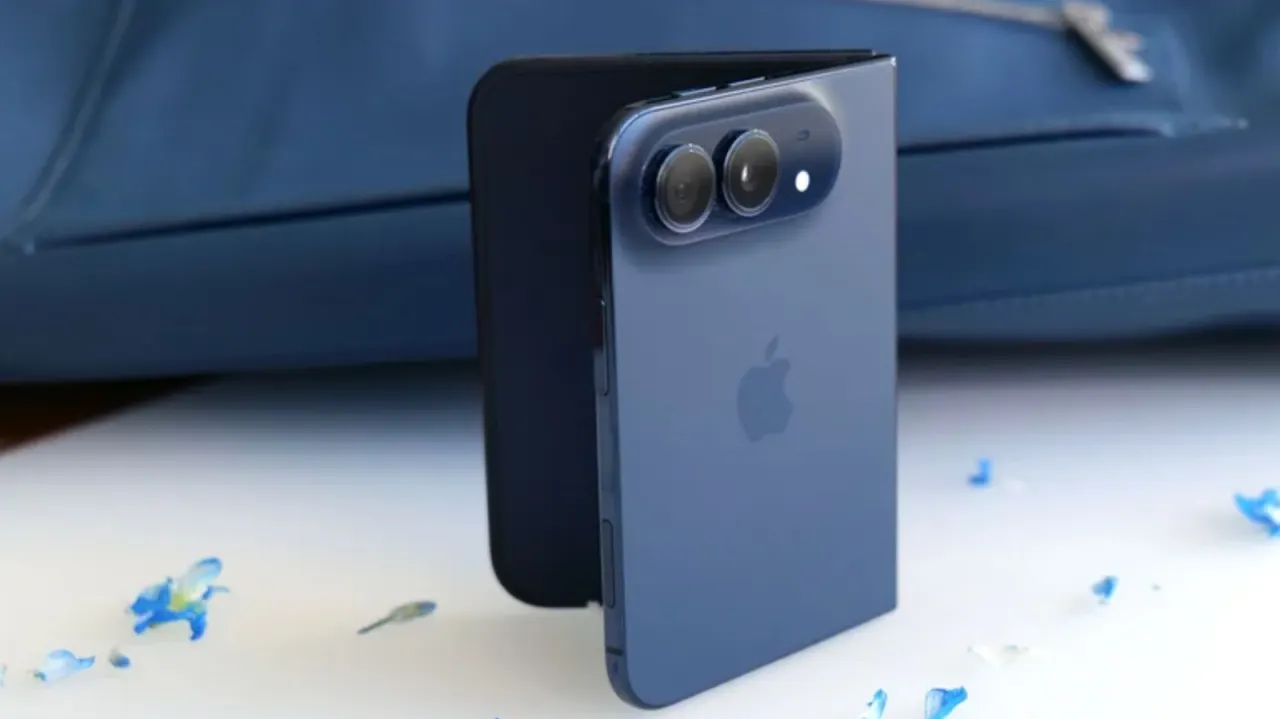
Apple is reportedly testing under-display Face ID for prototypes of a future iPhone Duo, addressing a drawback of its first foldable. The current model uses Touch ID, which reviewers found accurate but slower to unlock than Face ID.
Apple insider Mark Gurman says prototypes already place Face ID beneath the outer display. The first Duo’s thin screens, multiple orientations and need for consistent features across both displays may have made Face ID impractical, while adding sensors could have raised the price of a device that costs $2,000. Gurman also says a future model may include an Action button.
In short
- Apple is testing under-display Face ID for iPhone Duo prototypes.
- The first foldable uses Touch ID.
- A future model may add an Action button.
Explained simply
Face ID is Apple’s facial recognition system, which lets people unlock a device and confirm some actions by looking at it. Touch ID does similar jobs using a fingerprint sensor; on some iPhones, it is built into the power button.
A foldable iPhone has a screen that opens out like a book, so it can be used in more than one shape and orientation. Putting sensors beneath a screen could help preserve the display area, but a foldable may need them to work reliably across more than one screen.
Apple’s foldable phones sit in its high-priced iPhone range, where design choices can affect both ease of use and cost. An Action button, found on some recent iPhones, is a customisable physical button that can be set to launch a chosen feature.
Read the full article at the source →
Originally published by Engadget as “iPhone Duo’s next-gen prototypes are trying to cram in Face ID”.