Why a student protest movement is challenging 12 years of Vučić rule in Serbia
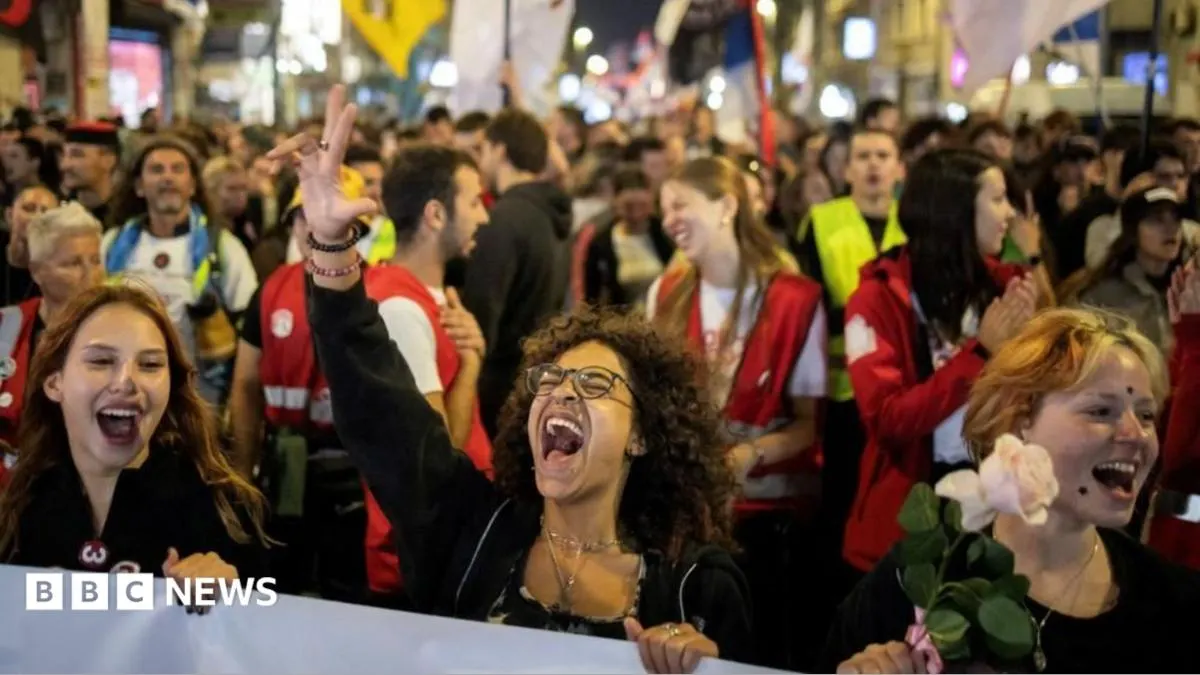
Young people have driven a student-led movement that is challenging Aleksandar Vučić’s long-standing dominance as Serbia votes in a snap parliamentary election. The vote follows two years of protests that began after 16 people died when a canopy collapsed at Novi Sad railway station, an incident widely seen by critics as a sign of corruption and negligence.
The movement, called “Student List-Students Win”, has drawn support from across society and is fielding candidates who are not themselves students. Vučić, who has led Serbia as president or prime minister since 2014, cannot seek another presidential term and is now campaigning to return as prime minister. The election will fill 250 parliamentary seats; 6.45 million people are registered to vote, amid concerns about whether the contest will be fair.
In short
- Student-led protests have become a major challenge to Vučić.
- The movement grew after 16 people died in the Novi Sad station collapse.
- Serbia’s snap election will decide 250 parliamentary seats.
Steelman: both sides, in good faith
The strongest fair case each way — we don't pick a winner.
The case for
Supporters can argue that the student-led movement gives citizens a legitimate way to demand accountability after a deadly public infrastructure failure and years of perceived corruption and negligence. Its broad social backing and non-student candidates may help turn protest into parliamentary representation and challenge entrenched political dominance through an election.
The case against
Those wary of the movement can argue that public anger over a tragedy does not by itself establish responsibility or show that a new political coalition can govern effectively. They may favour continuity and argue that Vučić’s record should be judged at the ballot box, while stressing that the election must be assessed on evidence about its fairness rather than assumed to be illegitimate.
Explained simply
Aleksandar Vučić has been Serbia’s dominant political leader since 2014, serving as prime minister and president. Serbia is a parliamentary republic: voters elect lawmakers to a 250-seat assembly, and the government is led by a prime minister.
The student-led movement grew after a railway station canopy collapsed in Novi Sad, killing 16 people. Many protesters have linked the disaster to concerns about corruption and public safety, while the movement has since attracted support beyond students and put forward candidates from wider society.
The election matters because its result will shape who governs Serbia and how much influence Vučić’s political camp retains. The contest has also drawn attention to concerns about whether the vote is fair.
Art Business Culture Elections Markets Politics World