Pride, prestige, profile – the great Ballon d’Or campaign
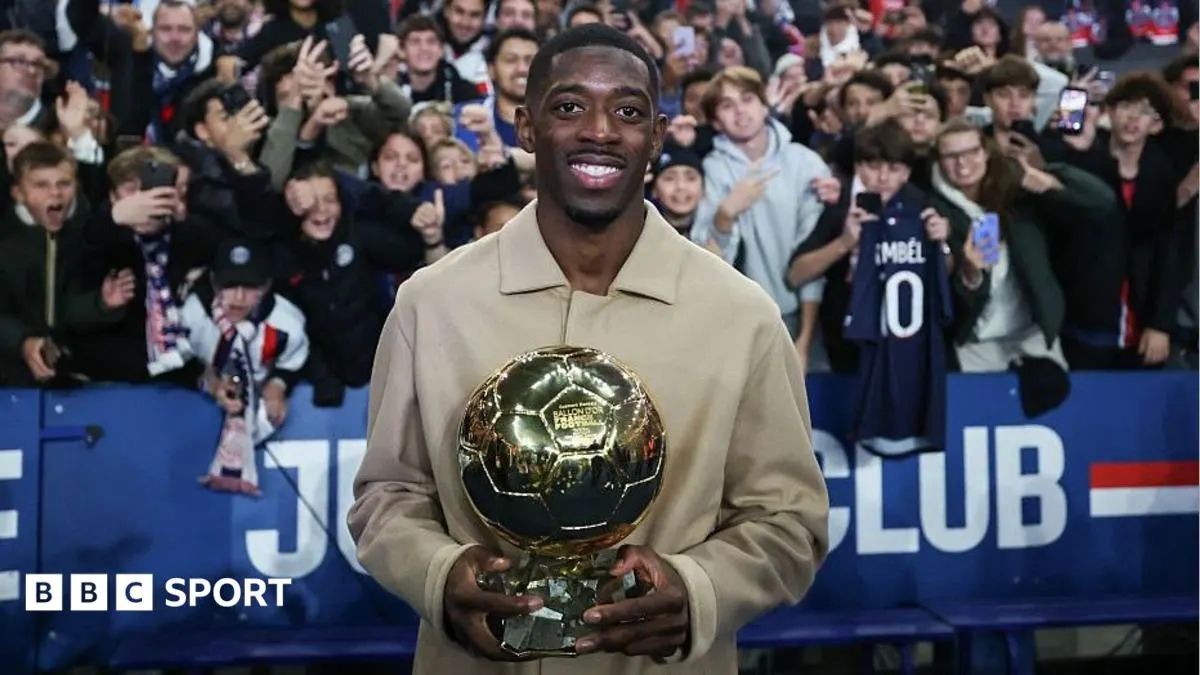
The Ballon d’Or campaign for 2026 gathered pace soon after Ousmane Dembélé won the 2025 award, with players, clubs and their representatives promoting candidates ahead of the ceremony. The article examines how the build-up has become a public contest over individual achievement, especially in a World Cup year, when national success is also being linked to players’ chances of winning.
Paris St-Germain has a record 10 players on the shortlist, while Barcelona’s Deco called Raphinha and Pedri’s omissions a “huge scandal” and backed Lamine Yamal. Kylian Mbappé openly said he thought he was the best, while Dembélé and Khvicha Kvaratskhelia praised each other; the voting, by journalists from the top 100 Fifa-ranked nations, had already closed. Some observers describe the lobbying as election-style campaigning, while others argue the best players should not need to campaign for recognition.
In short
- Ballon d’Or campaigning intensified ahead of the 2026 award.
- PSG has a record 10 players on the shortlist.
- Journalists from 100 Fifa-ranked nations have voted.
Steelman: both sides, in good faith
The strongest fair case each way — we don't pick a winner.
The case for
Public campaigning can help voters and fans understand the case for players whose achievements might otherwise be overlooked, especially when individual form and team success are difficult to compare. In a year shaped by the World Cup, making those arguments openly can also bring attention to the different contributions players make for club and country.
The case against
The award is intended to recognise performance, so voters should be able to judge players on their achievements without pressure from clubs, representatives or public lobbying. Campaigning can turn a sporting honour into a contest of profile and influence, potentially distracting from the football and disadvantaging candidates with less powerful platforms.
Explained simply
The Ballon d’Or is an annual award for the world’s leading footballer, decided by votes from journalists in 100 countries. It recognises individual performances, but voters may also weigh team results and achievements for a player’s country.
Players, clubs and representatives often speak publicly in support of candidates. Their comments can draw attention to performances and influence how the contest is discussed, though the award is decided by the voters.
A World Cup year can add national-team success to the debate, alongside players’ club performances. The campaign raises questions about how individual achievement is judged and whether public advocacy should play a part in recognition.
Elections Football Politics Sport