Commonwealth chief urges King Charles to apologise for slave trade
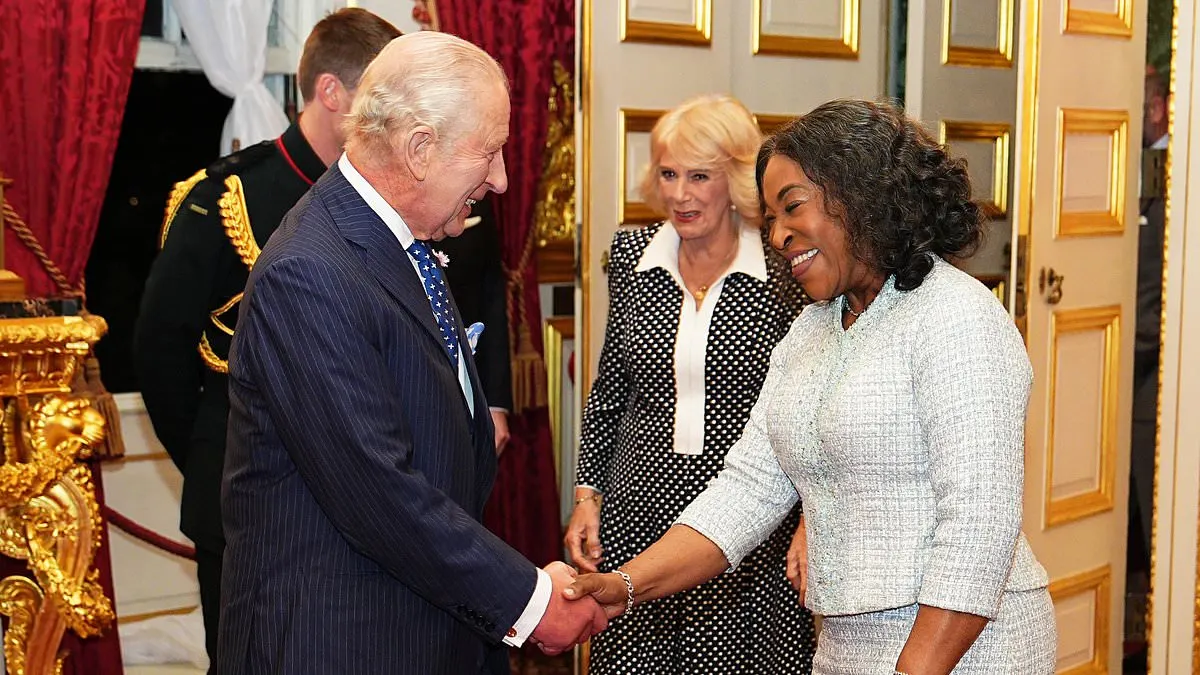
Commonwealth secretary-general Shirley Ayorkor Botchwey said King Charles should apologise for the transatlantic slave trade and that Commonwealth countries should discuss reparations. Her comments come ahead of a gathering of Commonwealth leaders next month, where slavery and its legacy are expected to feature.
Botchwey said possible forms of redress could include concessional finance, climate measures or returning artefacts, with countries to decide what is appropriate. The UK Government has said it does not support reparations and has not advised the King to apologise; Buckingham Palace says his visits will acknowledge the past while focusing mainly on the present.
In short
- Botchwey called for an apology from King Charles.
- Commonwealth countries should discuss possible forms of reparations.
- The UK Government says reparations are not the answer.
Steelman: both sides, in good faith
The strongest fair case each way — we don't pick a winner.
The case for
Supporters argue that an apology from the King would acknowledge the monarchy’s historical connection to the slave trade and recognise the lasting harms experienced by affected communities. They see Commonwealth discussions of reparations, which could include finance, climate support or returning artefacts, as a way for countries to consider practical forms of redress on their own terms.
The case against
Those opposed to an apology or reparations argue that present-day institutions and people should not be held responsible for historical wrongs, and that an official apology could imply obligations whose scope and consequences are unclear. They may favour acknowledging the past while focusing on present-day cooperation, rather than reparations that they consider difficult to define fairly or likely to divert resources from current needs.
Explained simply
The Commonwealth is a group of countries, many of which were once part of the British Empire. Its secretary-general, Shirley Ayorkor Botchwey, leads the organisation’s work with member governments, while King Charles is its ceremonial head.
The transatlantic slave trade forcibly transported millions of Africans to the Americas, including in ships and colonies linked to Britain. The trade and slavery helped shape economies and societies across several Commonwealth countries, and their lasting effects remain a subject of debate.
Reparations means measures intended to address harm caused by slavery and its legacy; proposals can include financial support or the return of cultural objects. Governments differ over whether such measures are appropriate, and any discussions involve questions about responsibility, what form redress might take and who should receive it.
Read the full article at the source →
Originally published by Daily Mail as “Fury as Commonwealth chief tells King to apologise for slavery and ‘discuss’ reparations at summit next month”.