Why the wires in your ethernet cables are twisted
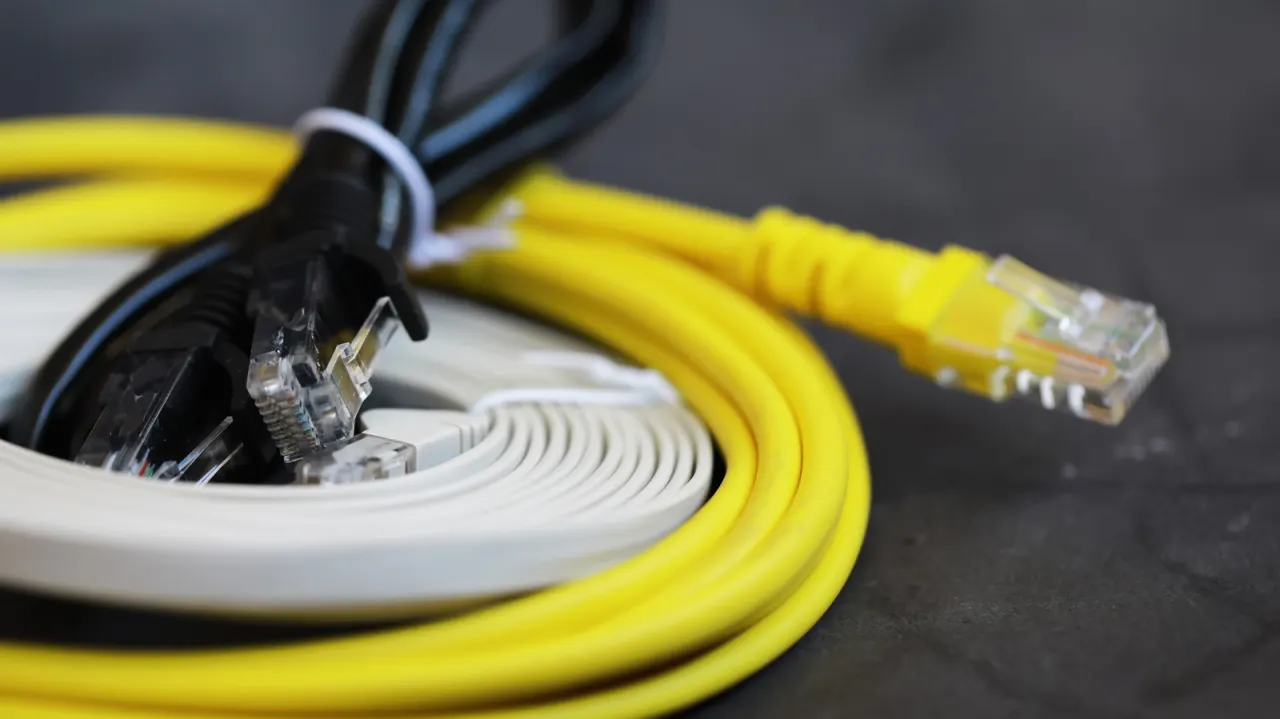
The wires inside Ethernet cables are twisted in pairs to reduce electromagnetic interference and help signals travel reliably. This matters because interference between wires can slow data transmission, while twisting helps preserve the cable’s performance.
Most modern Ethernet cables contain four copper wire pairs, with all four active for gigabit connections. Each pair has a different twist rate to limit interference between pairs, a problem known as cross-talk; the article traces the technique back to telephone lines in the 1880s.
In short
- Twisted pairs reduce interference inside Ethernet cables.
- Four pairs carry gigabit connections.
- Different twist rates help prevent cross-talk.
Explained simply
Ethernet cables carry data between devices, such as a computer and a router, using electrical signals sent through copper wires. Nearby electrical signals can interfere with one another, making it harder for the receiving device to read the data reliably.
The wires are arranged in pairs and twisted around each other to reduce that interference. Modern cables usually have four pairs, twisted at different rates to limit signals from one pair affecting another; this technique dates back to telephone lines in the 1880s.