The 10 Most Universally Loved Horror Movies Based on Books, Ranked
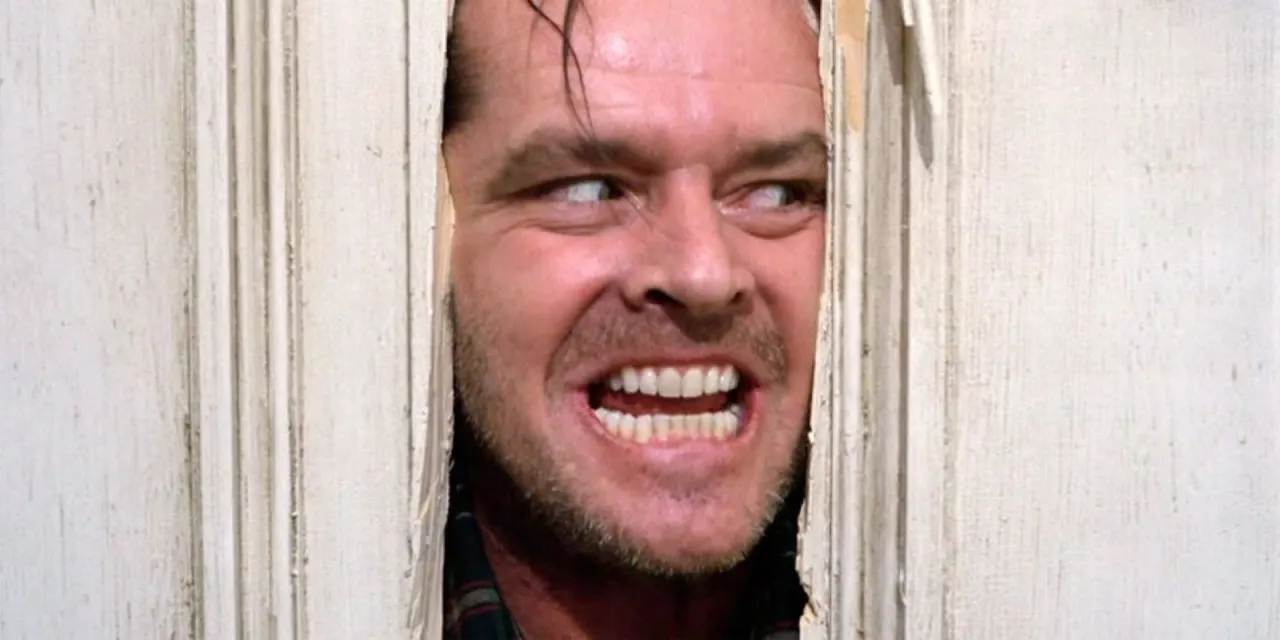
The article ranks ten horror films adapted from books that have become widely loved by audiences and critics. It argues that popularity does not depend on strict faithfulness: some films closely follow their source novels, while others take major liberties and still become classics.
The excerpt highlights *Rosemary’s Baby*, *Frankenstein* and *The Haunting*, noting their directors, literary sources and lasting influence. It describes Mia Farrow’s performance and the film’s paranoid atmosphere in *Rosemary’s Baby*, Boris Karloff’s iconic Monster in *Frankenstein*, and the gothic setting and cinematography of Robert Wise’s 1963 *The Haunting*.
In short
- Beloved book adaptations can succeed with or without close fidelity.
- *Rosemary’s Baby* and *Frankenstein* helped shape horror cinema.
- Robert Wise’s 1963 *The Haunting* is praised for its atmosphere.
Explained simply
Horror films based on books draw on stories first told in novels, where writers can build suspense through detail and a reader’s imagination. Filmmakers may keep closely to a book or change characters, events and tone to suit the screen.
The examples span different eras and styles. Mary Shelley’s Frankenstein has inspired many versions, including the 1931 film starring Boris Karloff as the Monster; Shirley Jackson’s The Haunting of Hill House was adapted by Robert Wise in 1963; and Ira Levin’s Rosemary’s Baby became a film directed by Roman Polanski, with Mia Farrow in the lead.
These adaptations matter because they can shape how later audiences picture a story and its characters. Comparing them with their books also shows how a film can become popular in its own right, even when it departs from its source.