Nathan Fielder Negotiated a ‘Kill Switch’ on ‘You Can See Everything,’ Says Lance Oppenheim: ‘If We Didn’t Find Something, We Could Just Throw It All Away’
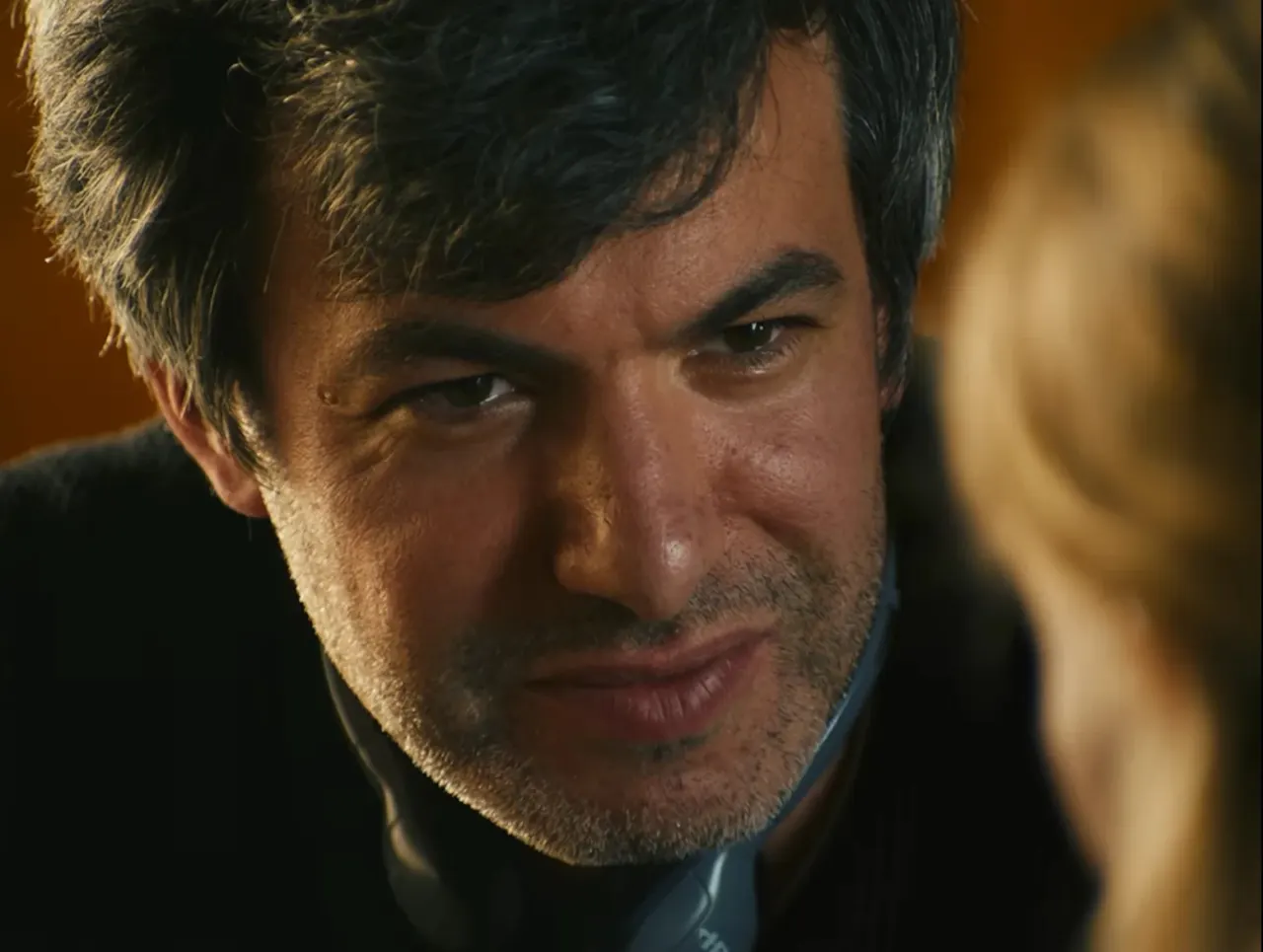
Nathan Fielder secured a contractual “kill switch” from A24 before filming *You Can See Everything*, the Elizabeth Holmes documentary he co-directed with Lance Oppenheim. The deal meant the filmmakers could abandon the project and deliver nothing if their initial filming failed to reveal a fresh story.
Fielder was wary because Holmes’ scandal had already been covered in a podcast, a book, a documentary and a scripted series. Oppenheim said the provision gave them room to explore freely, even with only 34 days until Holmes was due to enter prison; Fielder said it also meant he did not have to hold back with Holmes or the financiers.
In short
- Fielder negotiated the right to abandon the documentary.
- A24 agreed the filmmakers could deliver nothing if it did not work.
- The deal gave them freedom to explore Holmes’ story.
Steelman: both sides, in good faith
The strongest fair case each way — we don't pick a winner.
The case for
The kill switch gave the filmmakers a way to avoid releasing a documentary that added little to an already extensively covered story. It also protected creative independence, allowing them to explore candidly without feeling obliged to produce a film simply because filming had begun.
The case against
A contractual option to abandon the project could leave financiers and collaborators bearing costs without a finished film, and the short filming window may have made that risk more significant. It could also be argued that a commitment to deliver a film would encourage the team to find value in the material rather than discard it if it did not produce a sufficiently fresh story.
Explained simply
Elizabeth Holmes founded Theranos, a blood-testing company that claimed it could run many tests using only a small amount of blood. The company collapsed after its technology was challenged, and Holmes was convicted of fraud for misleading investors and patients; she was sentenced to prison.
Holmes’ story has been covered in several documentaries, books, podcasts and television dramas. Nathan Fielder and Lance Oppenheim’s film revisits the case, with Fielder known for comedy and documentary projects that blur the line between staged situations and real life. The filmmakers’ concern was whether they could find a new perspective on a story many viewers already knew.