7 Book Series That Peaked With Their Last Entry
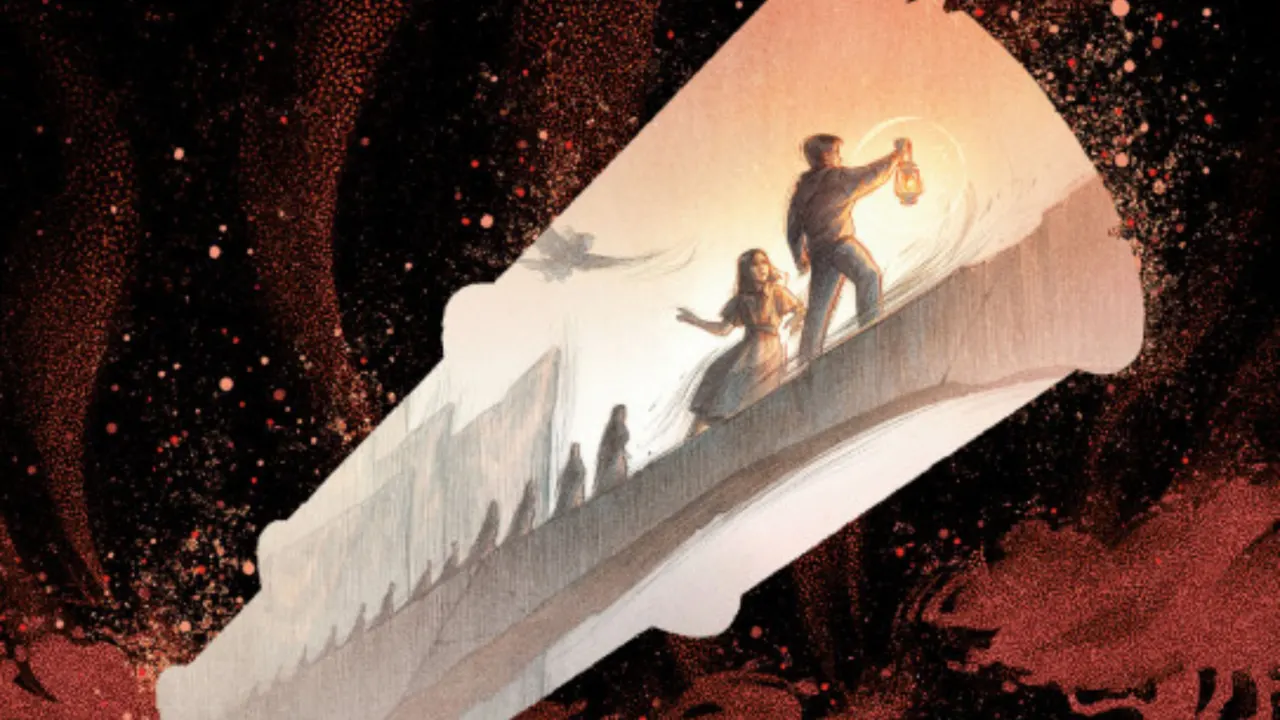
The article argues that seven book series ended with their strongest instalment, overcoming the challenge of satisfying readers after years of investment in their worlds and characters. It highlights finales that deliver emotional closure, resolve long-running storylines and, in some cases, deepen the meaning of the series.
Examples include *The Girl Who Kicked the Hornets’ Nest*, which turns Lisbeth Salander’s history into a conspiracy and courtroom thriller, and *Leviathan Falls*, the ninth and final *Expanse* novel, which balances cosmic mysteries with its characters’ personal lives. *The Crippled God*, the last book in Steven Erikson’s *Malazan Book of the Fallen*, is praised for concluding a vast cast of stories while emphasising empathy; Robin Hobb’s *Assassin’s Fate* brings together characters and worlds from across her 16-novel *Realm of the Elderlings* saga.
In short
- Some series save their strongest book for last.
- The finales combine closure with major revelations.
- The list includes fantasy, science fiction and crime.
Steelman: both sides, in good faith
The strongest fair case each way — we don't pick a winner.
The case for
A series finale can be its finest entry when it brings long-running plots and character arcs to a satisfying close, giving years of reading greater emotional weight. The examples suggest that scale, resolution and thematic depth can make a final book feel like the culmination the series was building towards.
The case against
Finales carry unusual expectations, and resolving many storylines at once can make a book feel crowded or too dependent on readers’ investment in earlier instalments. Some readers may value the strongest individual book for its pacing, originality or accessibility, qualities that need not coincide with bringing a series to a close.
Explained simply
A book series builds its setting and characters across several instalments, so its final book has to bring major storylines to a close while giving readers a reason to care about the outcome. The examples here span crime fiction, science fiction and fantasy, and vary greatly in length and scale.
Stieg Larsson’s Millennium novels centre on journalist Mikael Blomkvist and hacker Lisbeth Salander. James S. A. Corey’s Expanse series follows people living across a divided Solar System, while Steven Erikson’s Malazan books feature a large cast in a sprawling fantasy world. Robin Hobb’s Realm of the Elderlings connects several sets of characters and stories across 16 novels.
These finales matter to readers because they resolve plots and shape how the whole series is remembered. Some bring characters together or settle conflicts; others give added meaning to events and relationships introduced much earlier.
AI Entertainment Technology TV