White House considers pre-emptive pardons for some junior officials
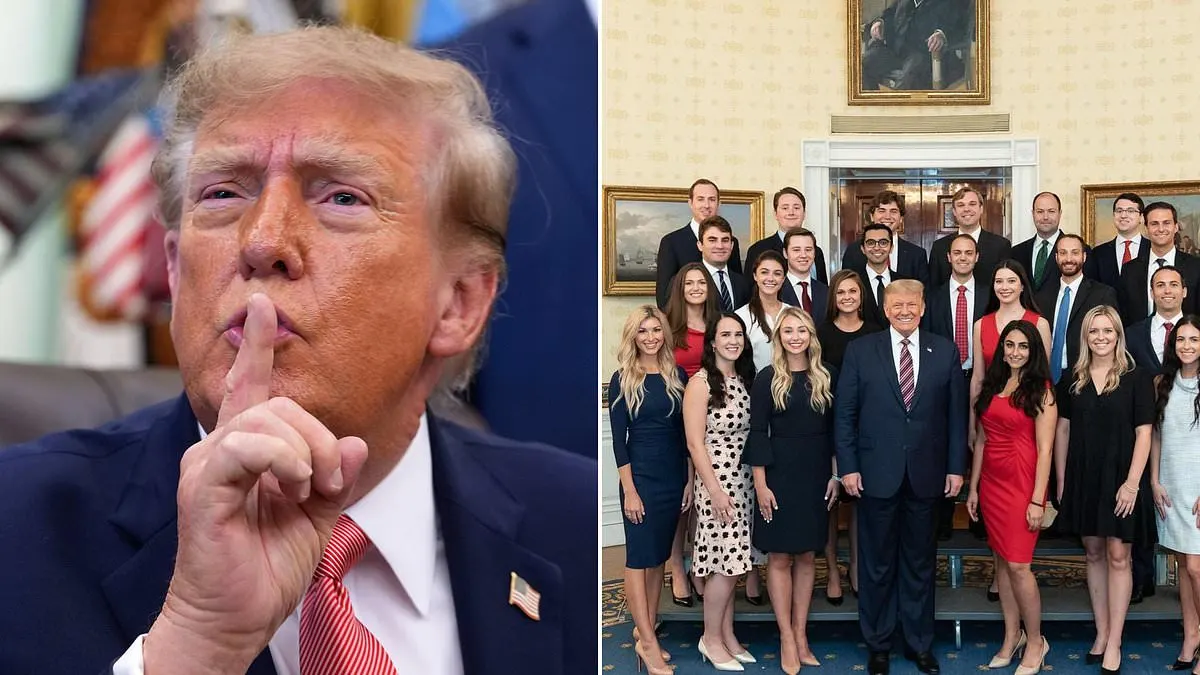
The White House is reportedly considering pre-emptive pardons for some lower-ranking officials, amid concerns that Democrats could investigate the Trump administration if they gain control of Congress in the midterms. President Donald Trump said he had not seriously considered sweeping pardons but argued he had the constitutional authority to grant them and that officials should not face costly legal battles if they were innocent.
The proposal could cover staff involved in sensitive areas such as immigration enforcement, trade and military operations, though a pardon for every junior employee is considered unlikely. Presidential pardons apply to federal criminal offences, so they would not prevent congressional investigations. Trump did not explicitly promise aide Margo Martin a pardon when he told her she would not have to worry about the issue.
In short
- The White House is reportedly weighing pre-emptive pardons for some staff.
- Trump says he has authority to protect officials from federal prosecution.
- Pardons would not stop congressional investigations.
Steelman: both sides, in good faith
The strongest fair case each way — we don't pick a winner.
The case for
Supporters could argue that officials who carried out government policy in good faith should not face ruinous legal costs or the threat of prosecution simply because political control has changed. A carefully limited pardon could protect junior staff from politically motivated federal charges and help the administration recruit people willing to serve in contentious roles.
The case against
Critics could argue that offering pardons in advance risks shielding officials from accountability before the facts are examined, weakening public confidence in the rule of law. Even though pardons cannot stop congressional investigations or cover state offences, the prospect could still look like an attempt to deter scrutiny of sensitive government actions.
Explained simply
In the United States, the president can pardon people for federal crimes, either after conviction or before charges are brought. A pardon can protect someone from federal prosecution for the offences it covers, but it does not establish whether they did anything wrong.
Congress, which includes the House of Representatives and the Senate, can investigate the actions of government officials. The president’s party may lose control of either chamber in midterm elections, held halfway through a presidential term, giving the other party more power to investigate and hold hearings.
Junior officials carry out government work under senior leaders, including in areas such as immigration, trade and military operations. The distinction matters because a pardon concerns possible federal criminal cases, while congressional investigations can still examine decisions and gather evidence.
Read the full article at the source →
Originally published by Daily Mail as “Trump weighs extraordinary wave of pardons for low-level staffers amid fears of Democrat-led investigations after midterms”.