Voters in Brazil to choose between Lula and Bolsonaro’s son
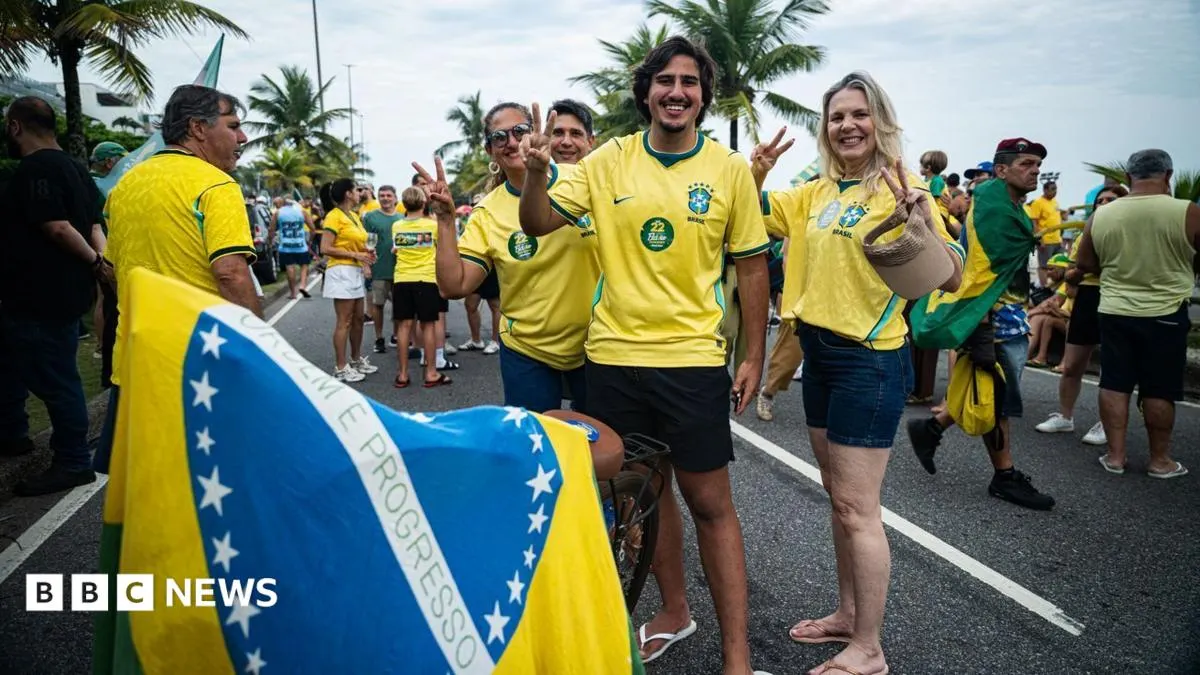
Brazilians are voting in a closely contested presidential run-off between incumbent Luiz Inácio Lula da Silva and right-wing senator Flávio Bolsonaro, son of former president Jair Bolsonaro. The result will determine whether Lula secures another term or Brazil shifts towards Bolsonaro’s promised policies, amid debate over democracy, crime and the country’s direction.
Flávio Bolsonaro led the first round on 4 October, though no candidate has previously overturned a first-round deficit to win a Brazilian run-off. He has pledged a crackdown on organised crime, tax and spending cuts, and to release his father, who is serving a 27-year sentence for plotting a coup. Lula’s campaign has urged supporters to turn out after 33 million people did not vote in the first round, framing the contest as a choice between moving forward and moving backwards.
In short
- Brazil is choosing between Lula and Flávio Bolsonaro.
- Bolsonaro led the first round of voting.
- Lula’s campaign is seeking higher turnout.
Steelman: both sides, in good faith
The strongest fair case each way — we don't pick a winner.
The case for
Supporters of Flávio Bolsonaro can argue that Brazil needs a sharper response to organised crime and tighter control of taxes and public spending, and that his programme offers a clear alternative to Lula’s approach. They may also see his candidacy as a legitimate expression of voters’ support for Jair Bolsonaro’s political movement and a chance to revisit what they regard as an unjust sentence against the former president.
The case against
Supporters of Lula can argue that his continued presidency offers stability and a course they believe moves Brazil forward, while Flávio Bolsonaro’s proposals to release his father and pursue spending cuts risk putting political loyalty ahead of democratic accountability and public needs. They may see the election as a choice about protecting democratic institutions as well as setting policy on crime and the economy.
Explained simply
Brazil elects its president in two rounds if no candidate wins more than half the votes in the first. The run-off is between Luiz Inácio Lula da Silva, who is seeking another term, and Flávio Bolsonaro, a senator and the son of former president Jair Bolsonaro.
Brazil’s politics have been shaped by disputes over the economy, public safety and democratic institutions. Jair Bolsonaro was president before Lula returned to office, and their supporters have backed sharply different approaches to governing.
The result will shape Brazil’s policies and its political direction. It also follows a first round in which many eligible voters did not cast a ballot, making turnout a focus for both campaigns.
Americas Elections Government Politics World