Businesses revived by connected buyers were more likely to fail again
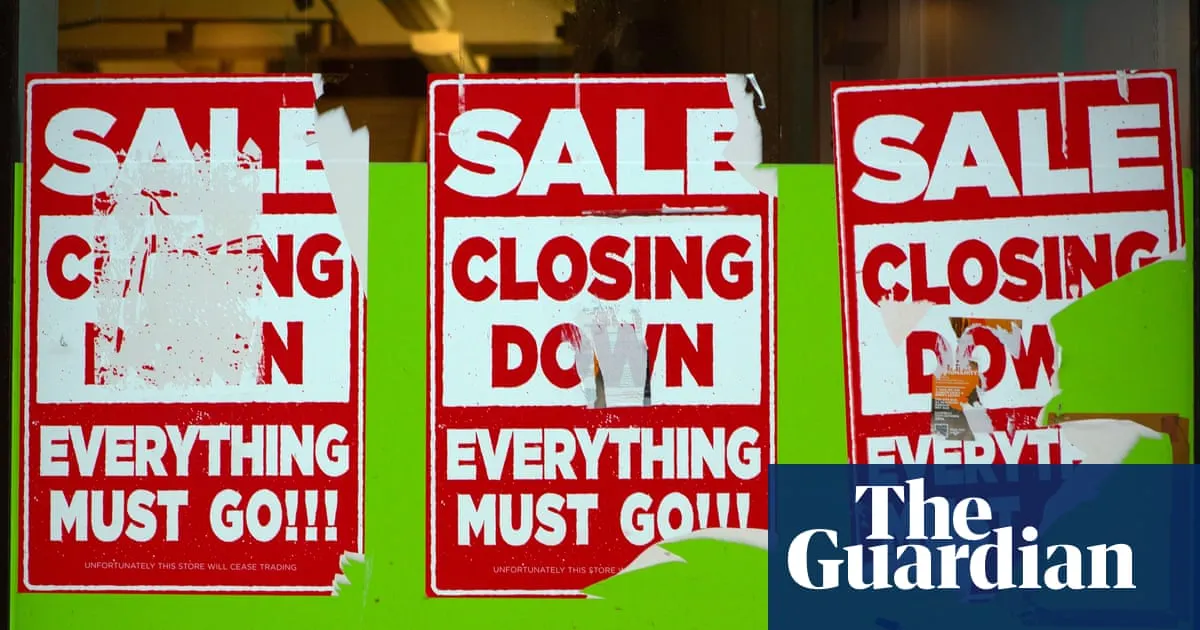
A study commissioned from Turnstone Intelligence found that businesses bought back by former owners or other connected parties through pre-pack administrations were more likely to fail again than those bought by outsiders. The findings add to concerns that “phoenix” deals can let businesses shed debts while shifting losses to creditors and taxpayers.
Researchers used AI agents to examine official documents for more than 1,700 administrations begun in England and Wales in 2019. By July 2026, 44% of connected-party pre-packs had ended in another insolvency, compared with 26% of deals involving unconnected buyers; connected buyers were also more likely to defer payment. Where connected buyers deferred payment, unsecured creditors received a return in just 23% of cases, averaging 1.58p per pound owed, against 36% of cases and 7.86p per pound for unconnected buyers. The results broadly match earlier studies.
In short
- Connected-party pre-packs were more likely to fail again.
- Deferred-payment deals often left unsecured creditors with little.
- The findings echo earlier research on phoenix companies.
Steelman: both sides, in good faith
The strongest fair case each way — we don't pick a winner.
The case for
The higher repeat-insolvency rate and lower creditor returns in connected-party deals support concern that some pre-packs allow insiders to continue trading while creditors bear substantial losses. The findings could justify stronger safeguards, especially where connected buyers defer payment, to protect creditors and public confidence.
The case against
A connected buyer may have valuable knowledge, relationships and commitment that help preserve a viable business and jobs when no outside buyer is ready to act. The figures show an association, not that connected ownership caused later failure or creditor losses; tighter restrictions could deter viable rescues, so safeguards should account for the circumstances of each deal.
Explained simply
When a company cannot pay its debts, it may enter administration, where an insolvency professional takes control and may try to sell the business. In a pre-pack sale, the sale is arranged before administration and completed soon after it begins, allowing the business to continue under a new owner.
The buyer may be the former owner or another party connected to the company, or someone with no prior connection. These deals can preserve jobs and keep a business operating, but creditors may still be left owed money. Unsecured creditors, such as suppliers without a guarantee against specific assets, are paid only if funds remain after higher-priority claims.
A business that closes and then resumes under a new company can be described as a “phoenix”. The term matters because the new company may continue trading while debts from the old one remain unpaid, affecting creditors and, in some cases, taxpayers.
Americas Business Research Science World
Read the full article at the source →
Originally published by The Guardian as “Bust companies revived in ‘phoenix’ deals more likely to fail again, study finds”.