Even the best mesh Wi-Fi system can be easily improved with a simple cable
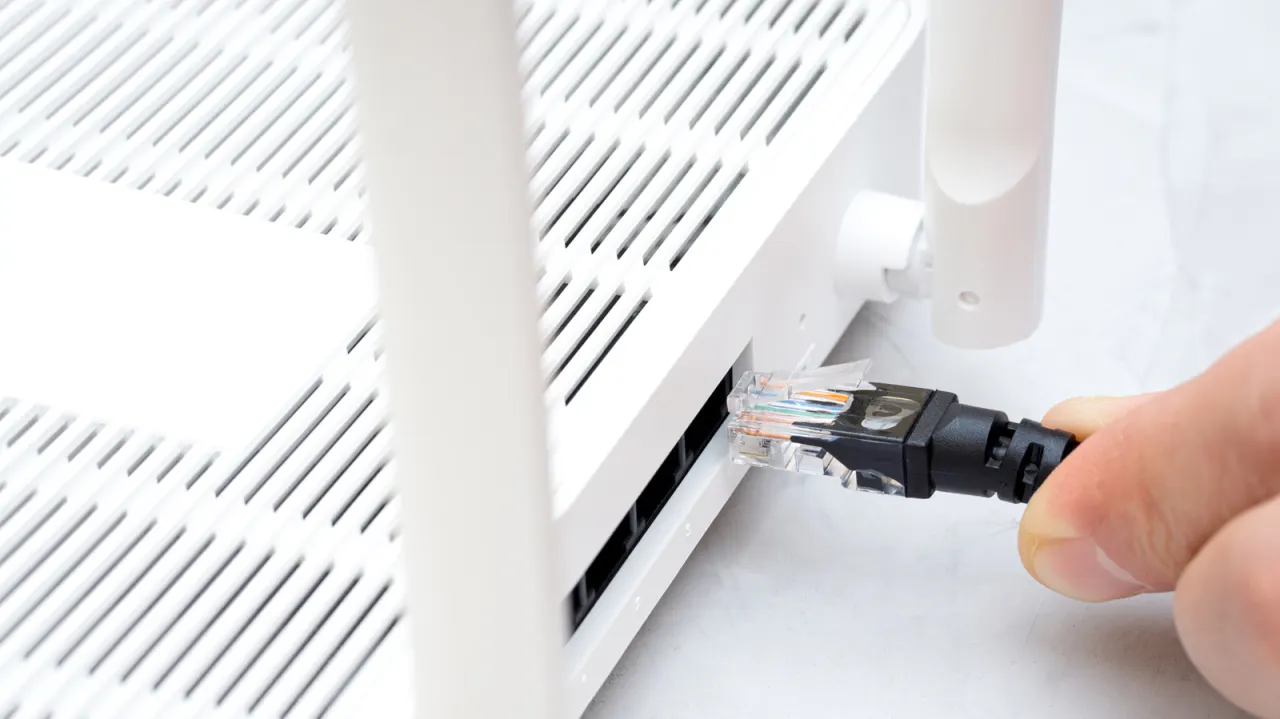
A wired Ethernet backhaul can improve a mesh Wi-Fi system by carrying data between its nodes over cable instead of relying on a wireless link. This can avoid speed losses caused by distance and reduce competition for wireless capacity, giving connected devices more of the available bandwidth.
The article says a Cat 6 cable can typically support at least 1 Gbps over the distances found in an average home, while a pair of 50-foot cables costs around $30. Running cable through a home can be inconvenient, and each mesh node needs a suitable Ethernet port; 2.5 or 10 Gbps ports are preferable for faster systems such as Wi-Fi 7. A switch can add ports, but also adds cost.
In short
- Ethernet backhaul can improve mesh Wi-Fi speeds.
- Cat 6 can deliver at least 1 Gbps in typical homes.
- Cable routing and port speeds may limit the upgrade.
Explained simply
Mesh Wi-Fi systems use several units, or nodes, around a home to extend internet coverage beyond the main router. The nodes need to pass data between one another as well as to phones, computers and other devices, and that connection can affect overall performance.
They can communicate with each other wirelessly or through Ethernet cables. A wired link can reduce the wireless capacity used to connect the nodes, though the improvement depends on the home’s layout, the system’s ports and the internet connection.
Ethernet cables may need to be routed between rooms, which can be inconvenient, and some systems may need extra equipment to connect multiple nodes. Cable capacity and port speeds also matter, particularly with newer, faster Wi-Fi systems.