TSA rules allow AirTags in luggage under lithium limits
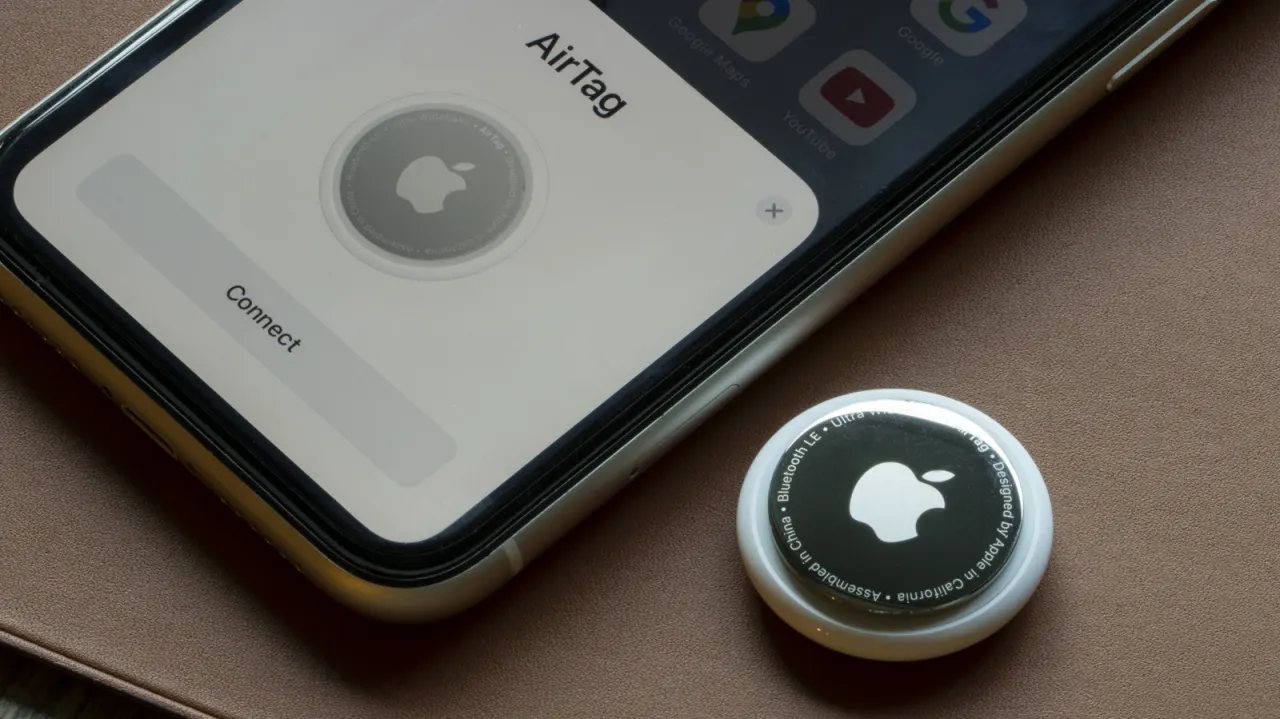
TSA rules permit AirTags in luggage: their small, non-rechargeable battery contains far less lithium than the limit for lithium metal batteries. This means travellers can use them to help locate bags without falling foul of the battery restrictions described in the article.
An AirTag uses a CR2032 coin cell containing less than 0.1 grams of lithium, compared with the US limit of 2 grams. The article says international rules also allow devices in checked baggage to remain on if they contain under 0.3 grams of lithium; it notes that AirTags rely on nearby Apple devices and may not work as well everywhere.
In short
- TSA rules allow AirTags in luggage.
- Their coin cell contains less than 0.1 grams of lithium.
- Tracking depends on nearby Apple devices.
Explained simply
AirTags are small tracking devices made by Apple that can be placed in luggage. They use a replaceable CR2032 coin-cell battery and communicate their location through nearby Apple devices.
Airline battery rules limit how much lithium a battery can contain, particularly in checked bags. AirTags’ batteries contain less lithium than the limits described in the rules, and the trackers depend on nearby Apple devices, so their usefulness can vary by location.
Read the full article at the source →
Originally published by Engadget as “Does TSA actually allow AirTags in your luggage? Here’s what the rules say”.