Chalmers urged to review record spending and cut low-priority programmes
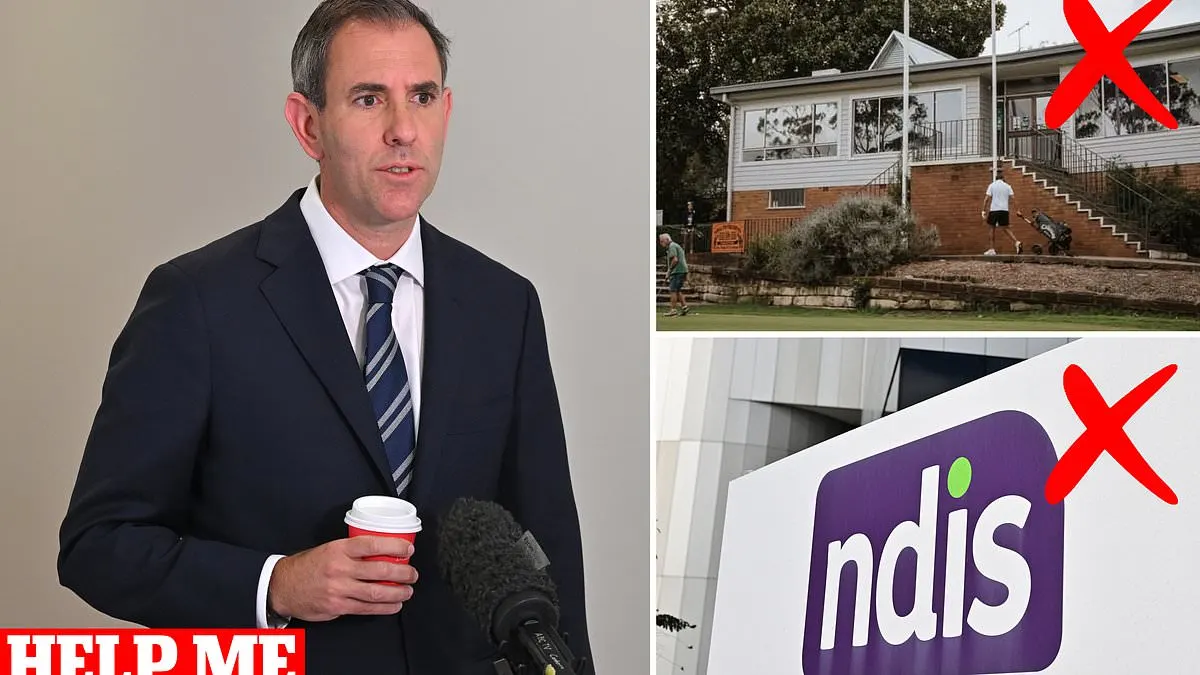
The article responds to Treasurer Jim Chalmers’ challenge to critics of government spending to identify cuts, arguing that deciding what taxpayers can afford is his responsibility. Its author says Commonwealth spending is at a 40-year high outside the pandemic and calls for lower-priority programmes to be reviewed.
The proposed cuts include cancelling grants without a clear national purpose, scrutinising industry subsidies and ending blanket electricity rebates in favour of targeted help. The article cites spending of 26.9 per cent of GDP in the latest financial year, $6 million pledged to Marrickville Golf Club and $16.8 billion in industry budgetary assistance in 2024/25; it also calls for weak infrastructure projects to be cancelled.
In short
- Commonwealth spending reached 26.9% of GDP.
- The article calls for tighter scrutiny of grants and subsidies.
- It proposes targeted electricity support instead of blanket rebates.
Steelman: both sides, in good faith
The strongest fair case each way — we don't pick a winner.
The case for
With Commonwealth spending near a four-decade high outside the pandemic, it is reasonable to ask whether every programme still merits public funding, particularly when budgets face competing demands. Reviewing grants, industry subsidies and infrastructure projects could free resources for higher-priority needs, while replacing universal electricity rebates with targeted support could focus assistance on households who need it most.
The case against
High spending can reflect deliberate choices to support households, industries and communities, and headline totals alone do not show whether that spending is worthwhile. Grants, subsidies and infrastructure investment may deliver public benefits that are difficult to capture through a narrow test of immediate national purpose; broad rebates can also provide timely relief without the gaps or administrative costs that targeting may create.
Explained simply
Jim Chalmers is Australia’s federal Treasurer, responsible for the government’s budget and its plans for taxes and spending. The Commonwealth is Australia’s national government, which funds services and programmes across the country.
Government spending can include grants to local organisations, support for businesses and help with household bills. Debates about whether to continue these programmes often turn on who benefits, what purpose they serve and how they are paid for.
The discussion matters because spending choices affect public services, household costs and the government’s finances. Reviewing programmes means weighing their costs against their intended benefits and deciding which should continue.
Read the full article at the source →
Originally published by Daily Mail as “Jim Chalmers says: tell me what to cut – as if it’s hard to trim record-breaking government spending. Challenge accepted: PVO”.