Unison chief urges Labour to turn economic vision into action
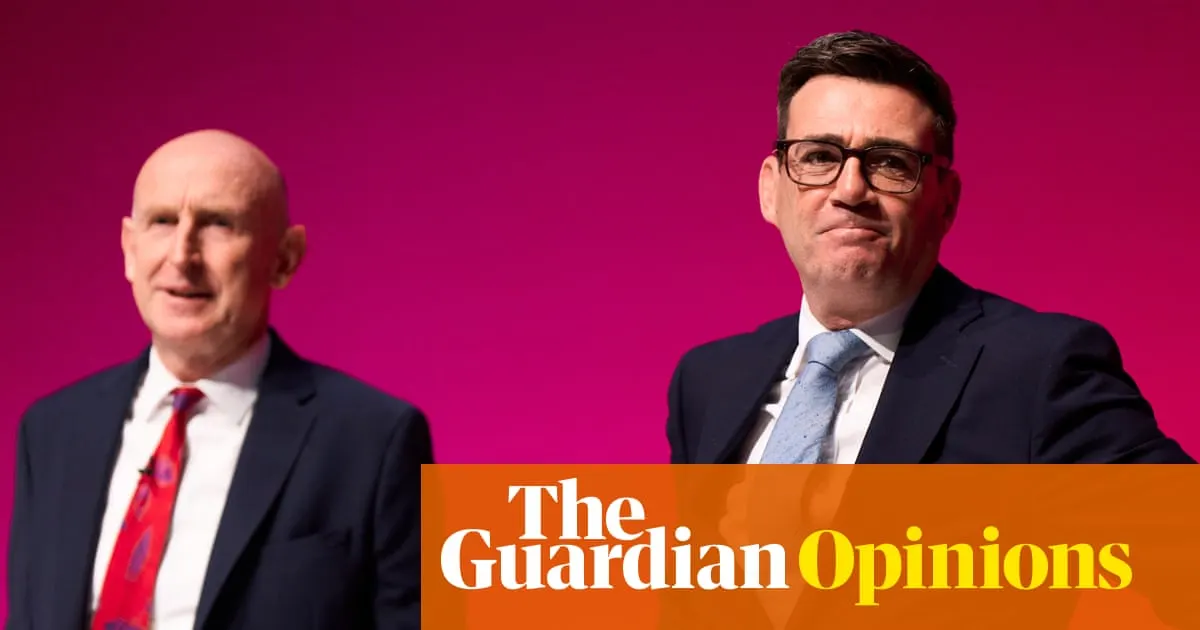
Unison general secretary Andrea Egan argues that Prime Minister Andy Burnham’s rejection of neoliberalism has raised hopes among trade unions, but Labour must now turn that vision into action. She says the upcoming budget should begin a major shift in how the economy and public services are organised.
Egan traces the problems Burnham identifies to decisions made in the 1980s, and says reversing their effects will require public ownership and large-scale investment. She welcomes early measures that have helped with the cost of living, but argues they are too limited to address four decades of change. Unison and other unions want a substantial, multi-year plan to improve public-service funding and workers’ pay.
In short
- Unison welcomes Burnham’s challenge to neoliberalism.
- Egan says the budget must deliver real change.
- Unions want long-term investment and better public-service pay.
Steelman: both sides, in good faith
The strongest fair case each way — we don't pick a winner.
The case for
A substantial shift towards public ownership and sustained investment could address deep-rooted problems in public services and improve workers’ pay, rather than relying on short-term relief. From this perspective, the budget is an opportunity to turn Labour’s rejection of neoliberalism into a credible, multi-year programme that matches the scale of the changes unions say have accumulated over decades.
The case against
A major programme of public ownership, higher service funding and pay increases would require substantial public resources and could constrain the government’s choices if costs or economic conditions change. A more cautious approach could prioritise targeted cost-of-living support and gradual improvements, allowing Labour to assess what works while balancing public-service ambitions with fiscal limits.
Explained simply
Unison is one of Britain’s largest trade unions, representing workers in public services and other sectors. Its general secretary, Andrea Egan, speaks for the union’s members and sets out its priorities to government.
Labour is the UK political party led by Prime Minister Andy Burnham. The debate is about how much the government should shape the economy and fund services such as health, education and local government; “neoliberalism” is a term often used for policies that favour private enterprise and limit the state’s role.
The 1980s saw major changes in Britain’s economy, including the sale of some publicly owned industries and changes to trade unions. The choices made now matter for public-service budgets, workers’ pay and the cost of living.
Art Business Celebrity Culture Entertainment Government Politics UK World
Read the full article at the source →
Originally published by The Guardian as “If the PM reboots the UK for working-class people, unions will be with him. But the time for talking is over | Andrea Egan”.