Airlines add luxury perks as airport lounge competition intensifies
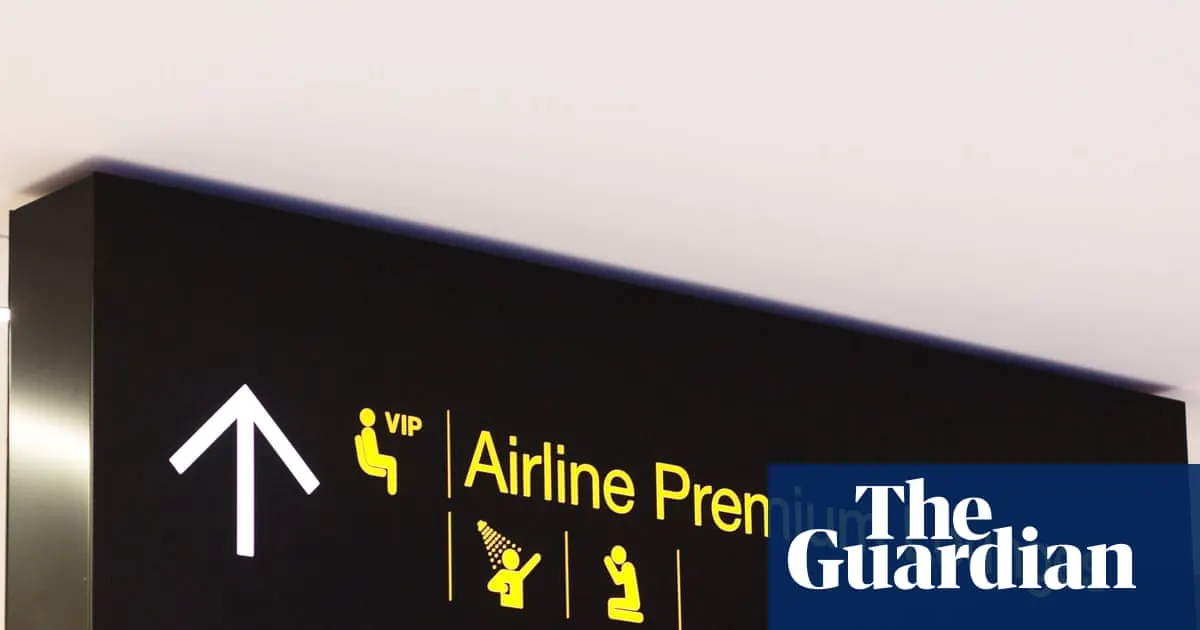
Airlines are competing to make their most exclusive airport lounges increasingly lavish, hoping to attract passengers willing to pay for first-class tickets or premium credit cards. The trend highlights how lounge access has become a status perk, even as less exclusive lounges face queues and crowding.
The article describes offerings including cocktails, nap pods, waffles, personalised cheese selections, sushi bars, private bedrooms and spa treatments. Air France’s first-class service at Charles de Gaulle includes a Sisley spa and a Porsche transfer to the aircraft, while American Airlines expects 18 million lounge visits this year.
In short
- Airlines are escalating the luxury lounge competition.
- Premium perks include bedrooms, spas and private transfers.
- American Airlines expects 18 million lounge visits this year.
Steelman: both sides, in good faith
The strongest fair case each way — we don't pick a winner.
The case for
Lavish lounges can make long waits more comfortable and give passengers a meaningful return for the high fares or card fees that help fund them. Airlines can also use distinctive services to compete for premium customers, whose business supports routes and services used by a wider range of travellers.
The case against
The arms race in luxury perks can deepen a two-tier airport experience, directing space and investment towards a small group while ordinary lounges become crowded. Critics may question whether exclusive amenities are a good use of resources when access depends on wealth or status, and whether rising demand for lounge entry is worsening queues for other passengers.
Explained simply
Airport lounges are waiting areas for passengers, usually available to people travelling in business or first class, or with certain airline memberships and credit cards. Airlines use them to offer a quieter place to eat, work or rest before a flight.
The main players are airlines, which run lounges at major airports, and travellers who pay for premium tickets or cards that include access. Some airlines are adding services such as private rooms, meals and spa treatments to make their lounges stand out.
Lounge access has become a marker of premium travel, while popular, less exclusive lounges can be crowded. The competition matters because airlines see these spaces as a way to attract valuable customers and distinguish their services.
Art Business Culture Offbeat Weird & Viral
Read the full article at the source →
Originally published by The Guardian as “Airport lounges: how did they get so horribly, competitively decadent?”.