Culture news and discussion on TalkFuse.
Physical Copies Barely Register for Capcom, Plans for 95% Digital Sales
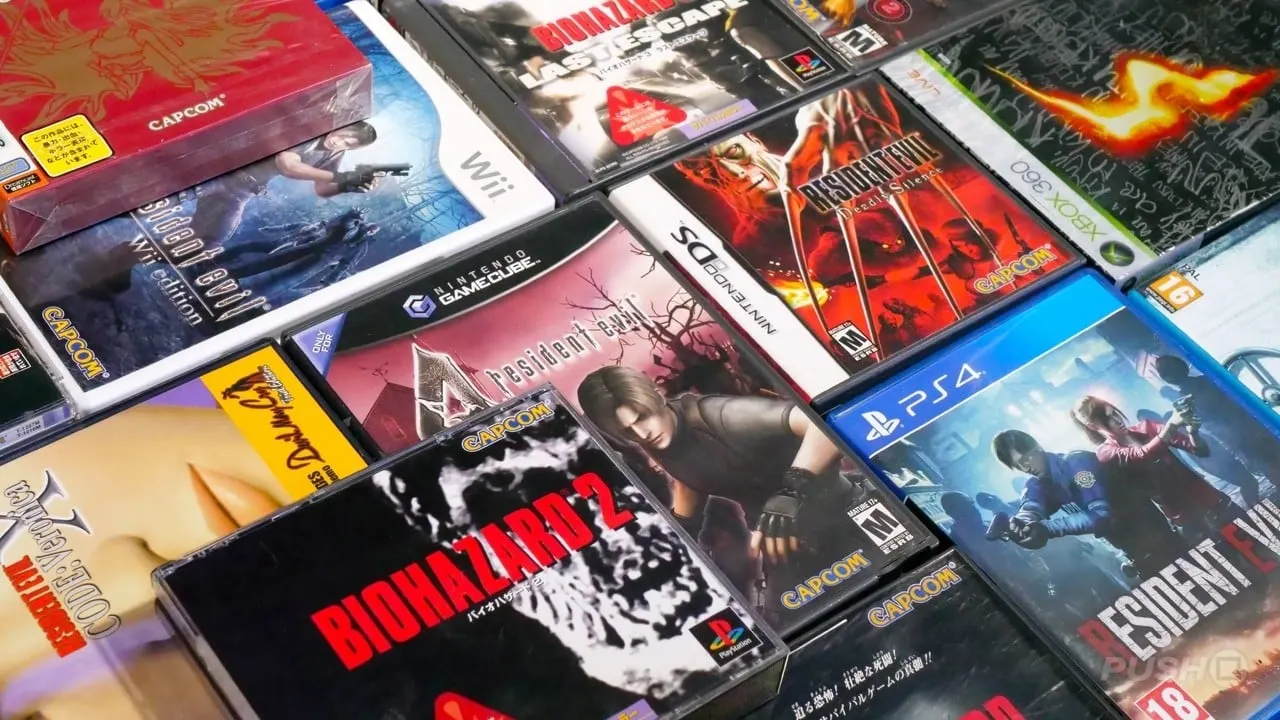
Capcom says physical copies made up just 7.6% of its video game sales in the first half of fiscal year 2026, with digital purchases accounting for the other 92.4%. The company expects the digital share to rise to 95.4% next quarter, underlining how central digital distribution has become to its business.
Capcom’s figures may be unusually high because sales of older catalogue games are particularly strong and tend to be digital, often helped by online discounts. The company reported its highest-ever first-half total and catalogue unit sales; in the previous quarter, Devil May Cry 5 outsold the new Onimusha: Way of the Sword, while Monster Hunter World outsold Monster Hunter Wilds. The article notes that Capcom’s new releases may have a stronger physical share.
In short
- Physical copies accounted for 7.6% of Capcom sales.
- Capcom forecasts digital sales will reach 95.4%.
- Strong digital sales of older games influence the figures.
Steelman: both sides, in good faith
The strongest fair case each way — we don't pick a winner.
The case for
Capcom’s figures suggest digital distribution suits a business with a strong back catalogue: online sales and discounts can keep older games accessible and commercially valuable, while avoiding the costs and delays of manufacturing and shipping discs. A rising digital share may reflect what many customers prefer for convenience and immediate access, allowing the company to focus resources on making and supporting games.
The case against
The headline figures may overstate how far physical games have lost ground, because Capcom’s unusually strong catalogue sales are largely digital and new releases may still sell more often on disc. Physical copies offer customers greater choice, including the ability to lend, resell or collect games, and they provide an alternative for people with limited internet access or who value owning a usable copy. If publishers increasingly prioritise digital, those options could narrow.
Explained simply
Capcom is a Japanese video game company known for series such as Monster Hunter and Devil May Cry. Like other publishers, it sells games both as boxed copies in shops and as digital downloads through online stores.
The balance can vary between new releases and older games. Older titles are often discounted online, and strong sales of these games can raise the digital share across a company’s catalogue. Capcom’s figures therefore reflect its particular mix of games as well as the wider shift towards digital buying.
This matters to players who value boxed copies, and to retailers that sell them, because a larger digital market can mean fewer physical sales. The figures do not show that boxed editions of every new game are equally uncommon.
Art Culture Entertainment Gaming