Nanotyrannus skeleton goes to auction in New York with £4.5m price tag
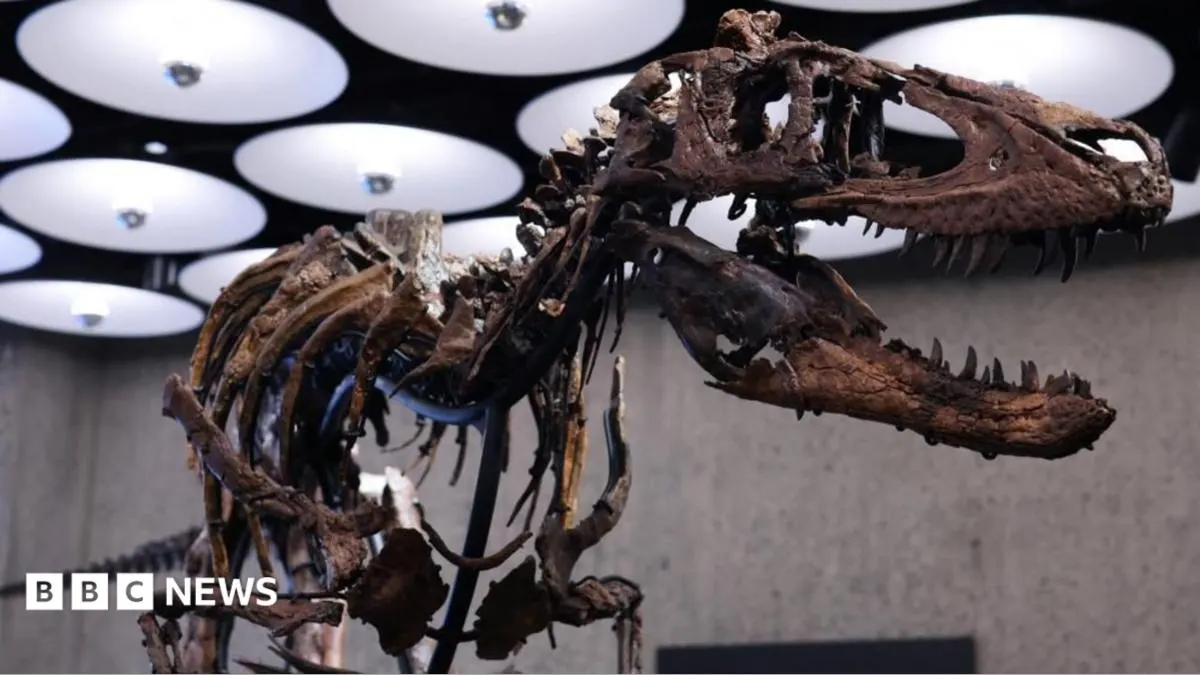
The 10-foot Nanotyrannus skeleton known as “Jodi” is going to auction in New York, with a minimum price of $6m (£4.5m) and an expected sale price of up to $9m. Its sale highlights debate over whether rare dinosaur fossils should be privately owned or kept accessible for research and public display.
Jodi was discovered in Montana and has about 191 fossil-bone elements, including a nearly complete skull. It was once displayed as a young T. rex, but researchers confirmed last year that Nanotyrannus was a separate genus that lived alongside T. rex around 67 million years ago. Some palaeontologists fear private ownership could limit access, while others point to the effort and cost of excavating fossils.
In short
- Nanotyrannus skeleton Jodi could sell for up to $9m.
- Researchers confirmed the genus is distinct from T. rex.
- Scientists worry private ownership may restrict public access.
Steelman: both sides, in good faith
The strongest fair case each way — we don't pick a winner.
The case for
Private ownership can reward the substantial effort and expense involved in finding, excavating and preserving a fossil, and may encourage collectors to fund further discoveries. A responsible owner could also lend Jodi to museums or researchers, while the auction puts a rare specimen in the public eye.
The case against
A fossil as scientifically important as Jodi can provide lasting value through study and public display, which private ownership may restrict if access depends on an owner’s willingness to share it. Keeping such specimens in museums or public institutions can support sustained research and ensure that people can encounter this part of natural history.
Explained simply
Nanotyrannus was a small meat-eating dinosaur that lived in what is now North America about 67 million years ago, at the same time as Tyrannosaurus rex. For years, some fossils identified as Nanotyrannus were thought to belong to young T. rex; researchers have since argued that Nanotyrannus was a separate kind of dinosaur.
Dinosaur fossils can provide evidence about how ancient animals lived and changed, so researchers and museums value access to them. Private buyers may pay for the costly work of excavating and preserving fossils, but private ownership can make it harder for scientists and the public to study or see them.