Will a new strategy help protect Northern Ireland’s nature?
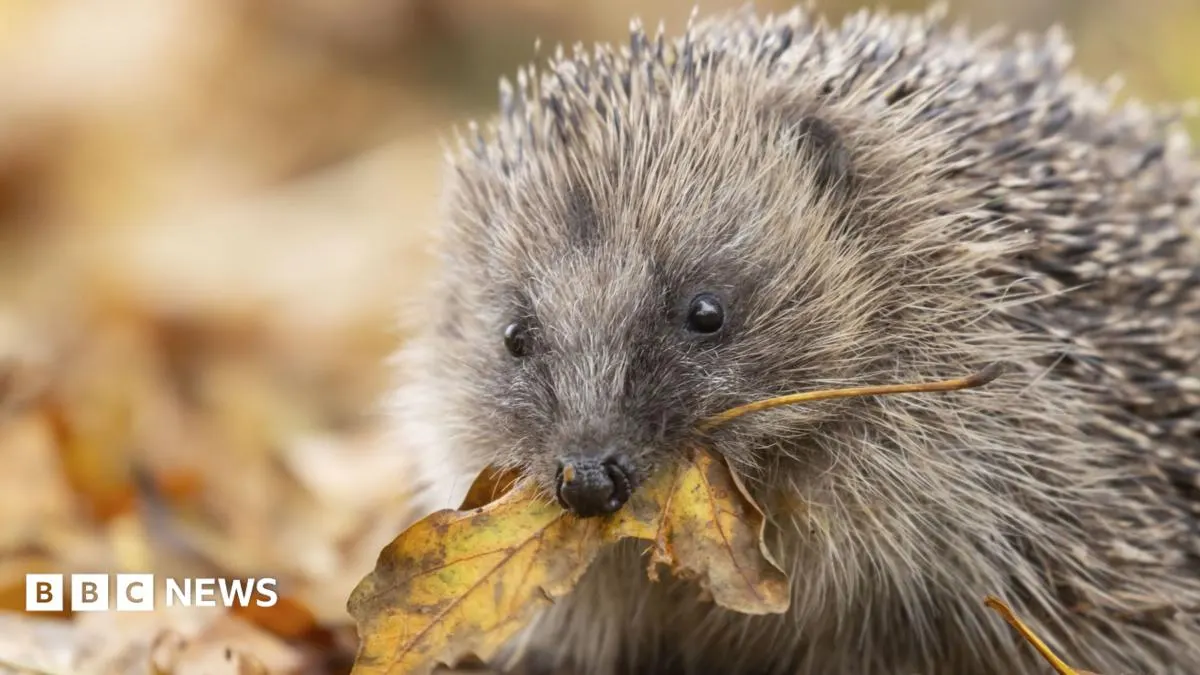
Northern Ireland has launched a long-term Nature Recovery Strategy to tackle biodiversity loss and restore habitats. The plan comes amid evidence that protected sites and wildlife are in poor or worsening condition, raising concerns about whether existing protections are working.
About 40% of plants and animals in protected sites do not meet the standard for favourable condition, and only one of 49 priority habitat types does. The share of sites in favourable condition fell from 61.7% in 2008 to 51.5% in 2024; the 2023 State of Nature Report also found 12% of species are at risk of extinction. The strategy identifies six pressures, including invasive species, climate change, intensive farming and pollution, while the minister says funding will be needed to address them.
In short
- Northern Ireland has launched a long-term plan to restore nature.
- Just one of 49 priority habitat types is in favourable condition.
- The strategy identifies six major pressures on biodiversity.
Steelman: both sides, in good faith
The strongest fair case each way — we don't pick a winner.
The case for
A long-term strategy could help reverse biodiversity loss by coordinating action across government and addressing connected pressures such as pollution, invasive species and climate change. Clear priorities may also make it easier to direct funding towards habitat restoration and judge whether protections are improving wildlife’s condition over time.
The case against
A strategy will make little difference unless it is backed by sustained funding, enforceable measures and changes to damaging practices such as intensive farming and pollution. The poor or worsening condition of protected sites suggests existing protections have not been enough, so critics may reasonably question whether a new plan will deliver practical results.
Explained simply
Northern Ireland’s wildlife depends on a range of habitats, from wetlands and woodlands to grasslands and coastal areas. Some are protected by law, but protection does not necessarily mean a habitat or the species living there are in good condition.
The Department of Agriculture, Environment and Rural Affairs is responsible for the new strategy, which aims to help nature recover over the long term. It identifies pressures including pollution, intensive farming, climate change and invasive species, which can spread and harm native wildlife.
The condition of protected areas and the risk facing some species matter because they show how well current measures are working. Carrying out the strategy will also depend on funding to address the pressures it identifies.