Unnamed celebrity accused of ‘inappropriate sexual activities’, court hears
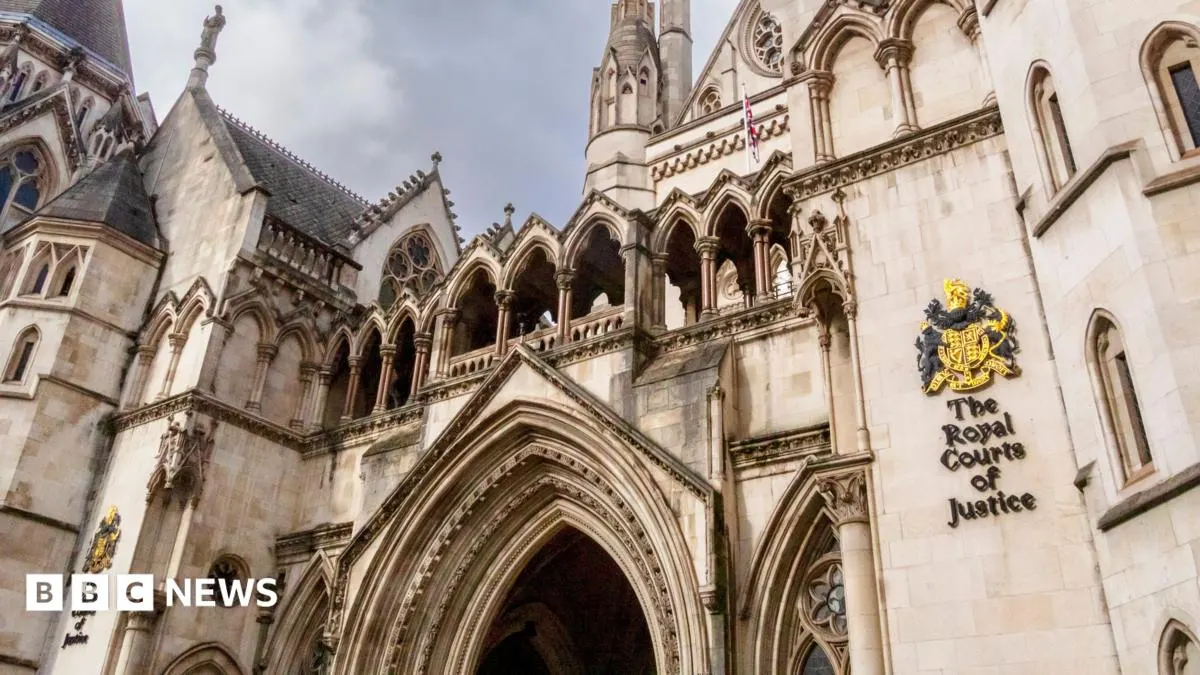
An unnamed celebrity has asked the High Court in London to stop ITN and The Guardian from publishing his identity and allegations about his conduct towards girls and young women. The case concerns the balance between protecting the man’s privacy and allowing public interest journalism.
At the first day of a two-day trial, his lawyers said publication could put him at high risk of suicide and argued that he feared trial by media; he denies abusing his status to pursue sexual relationships. The media organisations say the risk can be mitigated and there is no proper basis to block publication. A court medical report said inpatient treatment could reduce, but not eliminate, the risk, while the judge noted the proceedings’ significant public interest and urged people not to speculate about the man’s identity.
In short
- An unnamed celebrity is seeking an injunction against publication.
- He denies allegations about pursuing young women and teenagers.
- The High Court is weighing public interest against privacy and safety.
Steelman: both sides, in good faith
The strongest fair case each way — we don't pick a winner.
The case for
Protecting the man’s privacy could be justified if publication creates a serious, evidenced risk to his life or health, especially before the allegations have been tested in court. An injunction might also guard against trial by media and preserve fair proceedings, while still allowing the court to assess the claims through proper legal processes.
The case against
Publication may be justified because allegations that a prominent figure used his status in relationships with girls and young women raise substantial public interest concerns. The media organisations argue that the risks can be mitigated, and suppressing the identity could unduly restrict journalism and the public’s ability to scrutinise matters of potential wider significance.
Explained simply
The High Court in London can hear applications to restrict publication when a person argues that sharing information would seriously invade their privacy. Such cases require judges to weigh that privacy against freedom of expression and the public interest in journalism.
ITN and The Guardian are news organisations seeking to report allegations about a public figure. The man denies abusing his status to pursue sexual relationships. The case raises questions about how allegations concerning people with influence should be reported, and what safeguards may be appropriate when publication could pose a serious risk to someone’s wellbeing.