Chinese researchers create tool that translates protein functions into designs
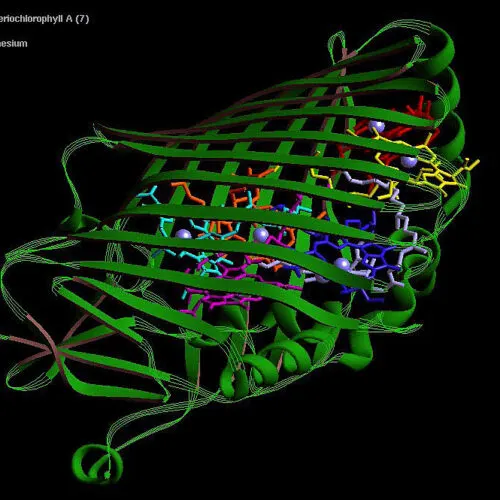
Researchers in China have developed Pinal, a tool that turns natural-language descriptions of desired protein functions into candidate protein designs. It could make protein design more accessible by reducing the need to specify detailed chemical and structural constraints, though laboratory testing remains essential to establish whether a design works.
Pinal uses a two-stage process: T2struct converts a text prompt into a structural blueprint, then a separate system fills in the amino-acid sequence. The article says success rates may be modest, with many designs failing, and describes a separate Hugging Face announcement of a tool for designing DNA from text prompts. The supplied article ends while explaining Pinal’s second stage.
In short
- Pinal translates descriptions of protein functions into candidate designs.
- Its process uses a text prompt and a structural blueprint.
- Lab testing is still needed to find working designs.
Read the full article at the source →
Originally published by Ars Technica as “Vibe genes? Natural(ish) language comes to protein, genome design software”.