‘Anthology 3’: George Martin tells the story of The Beatles falling apart and their music coming together
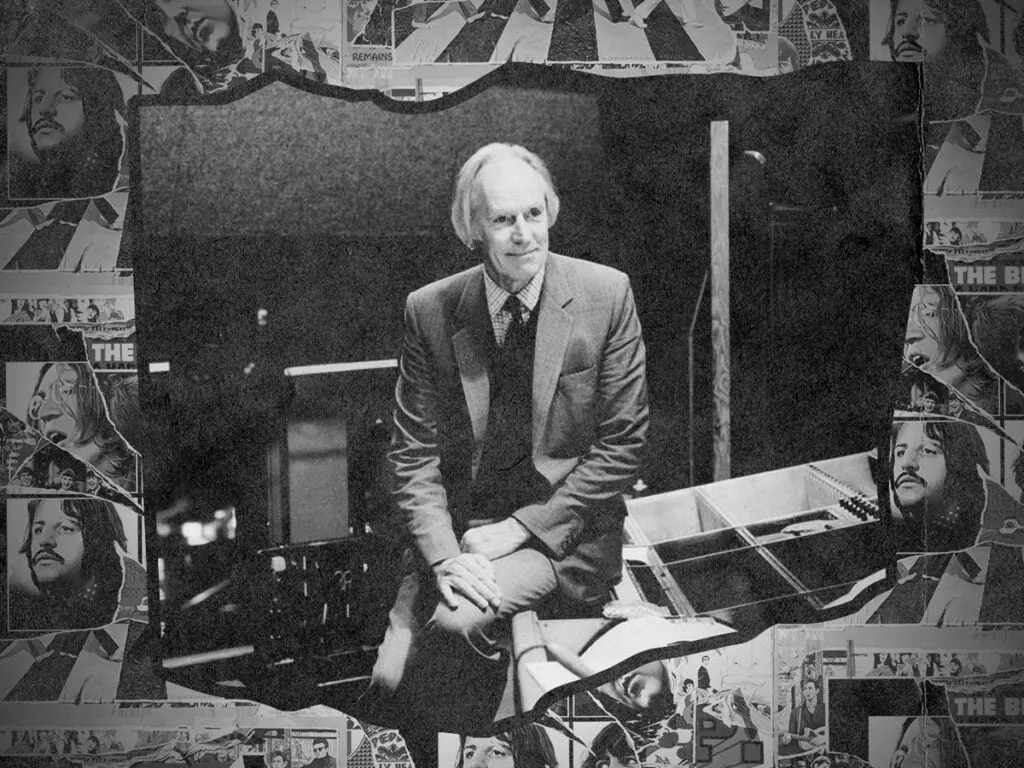
By 1968, The Beatles were increasingly strained, with members writing and recording more independently and George Harrison frustrated that his songs were often overlooked. Despite those divisions, the band released acclaimed final albums, and the article argues that producer George Martin helped turn unfinished ideas into enduring recordings.
The 1995 album *Anthology 3* gathers demos, outtakes and rare live recordings from the group’s later years, including material connected to their final three studio albums, standalone singles and early solo sketches. Its rough versions of songs such as ‘Happiness Is a Warm Gun’ and ‘Helter Skelter’ show how much work went into the finished recordings; the article highlights Martin’s production as a key part of that transformation, while noting that Phil Spector handled *Let It Be*.
In short
- The Beatles’ final years were marked by growing internal strain.
- *Anthology 3* reveals rough versions of later songs.
- The article credits George Martin with shaping their final recordings.
Steelman: both sides, in good faith
The strongest fair case each way — we don't pick a winner.
The case for
The album’s outtakes support the view that George Martin was central to turning the Beatles’ fragmented late-period ideas into coherent, enduring recordings. Even as the members worked more independently and Harrison’s songs were often overlooked, Martin’s production helped shape unfinished material into acclaimed work, showing how skilled collaboration can persist through serious internal strain.
The case against
The recordings can also be heard as evidence that the Beatles’ creative strength came chiefly from the members themselves, whose songwriting and performances remained compelling despite growing divisions. Outtakes reveal the work behind the finished songs, but they do not by themselves establish that Martin was indispensable; the band’s independent contributions mattered, and Phil Spector produced Let It Be.
Explained simply
The Beatles were a British band whose members were John Lennon, Paul McCartney, George Harrison and Ringo Starr. By the late 1960s, they were spending more time writing and recording separately, and Harrison was frustrated that the group gave limited space to his songs.
George Martin was the band’s producer, helping shape recordings from the musicians’ early ideas. The Beatles still made acclaimed music as tensions grew, though Phil Spector, rather than Martin, produced their album *Let It Be*.
Released in 1995, *Anthology 3* collects demos, outtakes and live recordings from the band’s later years. These rough versions offer a glimpse of how songs changed during recording and how the finished tracks took shape.
Art Culture Entertainment Music