Budget 2026: Millions of UK households to get £100 energy bill payment – check if you’re eligible
Developing story first seen 2 hours ago
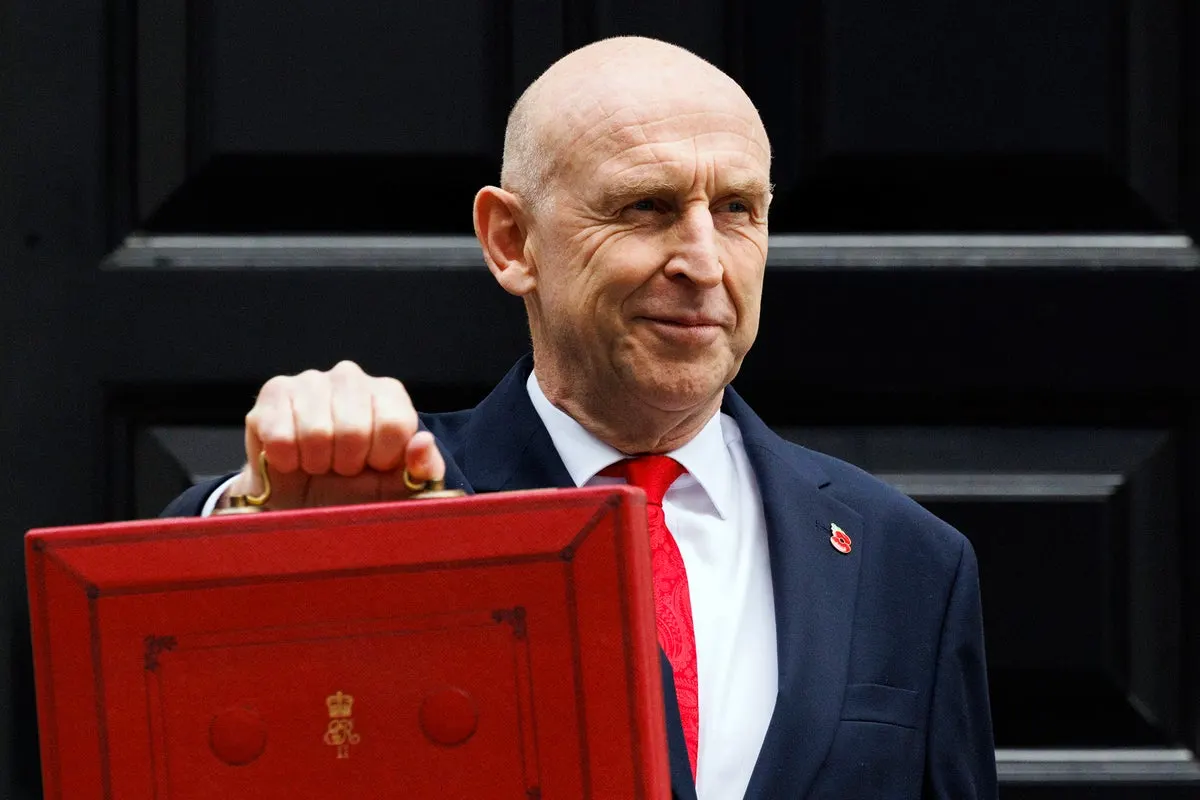
The new coverage adds that the government’s postcode checker for the £100 Household Energy Payment briefly went offline after the Budget announcement, then returned, although some users continued to report problems. The payment is intended to help households with rising energy costs this winter, with eligibility determined by council tax band.
Around 20 million households in bands A to D are due to receive the rebate automatically into their bank accounts, at a total cost of £2.6 billion. The government says this would cover 80 per cent of fuel-stressed households and 88 per cent of households in the bottom three income deciles; the scheme is to be funded by raising the bank surcharge from 5 to 8 per cent for 15 months from January. Separately, gas standing charges are due to be removed from next year, with the typical household currently paying about £108 a year.
- Sources
- 2
- Outlets
- 2
- Left · Centre · Right
- 1 · 0 · 1
In short
- The eligibility checker briefly went offline after the Budget announcement.
- Around 20 million households in council tax bands A to D qualify.
- The £100 payment is intended to ease winter energy costs.
How this story developed
- 4 minutes ago Chancellor John Healey announced a £100 energy bill payment this winter for around 20 million UK households in council tax bands A to D. The automatic rebate is intended to ease pressure from rising energy costs and will cost the government £2.6 billion.
- 8 minutes ago The new coverage adds that the government’s postcode checker for the £100 Household Energy Payment briefly went offline after the Budget announcement, then returned, although some users continued to report problems.
Where outlets differ
Left-leaning outlets 1
- Budget 2026: Millions of UK households to get £100 energy bill payment – check if you’re eligibleThe Independent
Only here: millions, households, check, eligible
Right-leaning outlets 1
Only here: council, checker, website, crashes, payers
Every side used: budget, energy, bill, payment
Headline columns compared word for word; nothing in them is AI-written.
Steelman: both sides, in good faith
The strongest fair case each way — we don't pick a winner.
The case for
A broad, automatic payment could quickly help millions of households facing higher energy bills, including people who may not qualify for means-tested support. Funding it through a temporary increase in the bank surcharge asks a sector with substantial resources to contribute, while removing standing charges could make bills fairer for households that use less gas.
The case against
A £100 payment for households across council tax bands A to D may be poorly targeted, directing public money to some who need little help while offering too little to those under the greatest pressure. The £2.6 billion cost and higher bank surcharge could bring wider economic costs, and the promised savings from removing standing charges are modest and may take time to arrive.
Explained simply
Energy bills include the cost of the energy people use and fixed charges for being connected to the gas and electricity networks. Council tax bands are based on the value of a home, with bands A to D covering lower and middle-value properties in England; the banding systems differ across the UK.
The Chancellor is the government minister responsible for the UK’s finances, including taxes and public spending. The Treasury sets out how policies such as household support are paid for, while energy suppliers collect bills and network companies maintain the pipes and cables.
The issue matters because energy costs affect household budgets, and changes to fixed charges can alter bills even when people use less energy. Decisions made by the UK government may not automatically apply in Scotland, Wales or Northern Ireland, where devolved governments have powers over some areas of policy.
Coverage · 2 sources
Bias meters
From 2 rated sources.
Entertainment Music Politics UK World