Healey brushes aside warnings over higher mortgages and presses ahead with a tax raid on banks
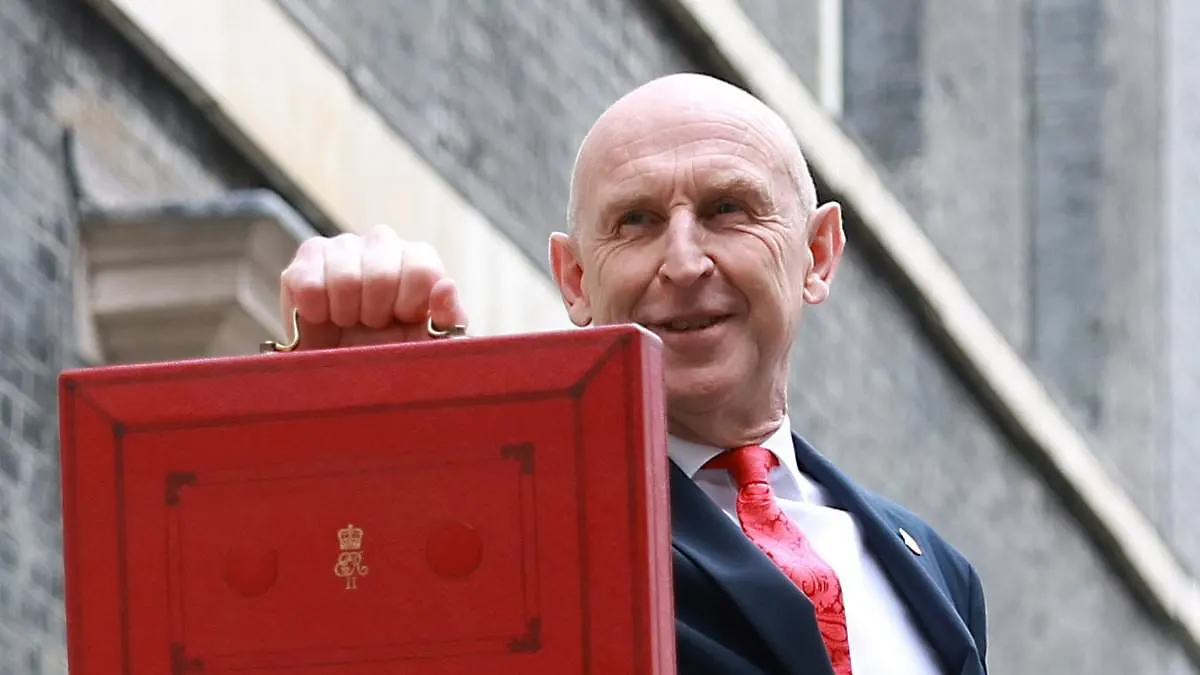
Chancellor John Healey announced a temporary three percentage point increase to the bank surcharge, saying banks should help fund support for households facing higher energy bills. The decision matters because critics and analysts warn banks may pass the cost on through more expensive mortgages, lower savings rates or reduced lending and investment.
The surcharge will rise from three to six per cent from January for 15 months. Conservative leader Kemi Badenoch said the cost could fall on consumers, workers and shareholders, while UBS analysts also forecast pressure on mortgage and savings rates. The article reports that the average UK mortgage rate had risen from 4.25 per cent before the Iran war to 5.06 per cent, according to Rightmove.
In short
- Bank surcharge to rise by three percentage points temporarily.
- The levy will run for 15 months from January.
- Critics warn customers could face higher mortgage rates.
Steelman: both sides, in good faith
The strongest fair case each way — we don't pick a winner.
The case for
A temporary surcharge could raise money for support with energy bills at a time when households face steep costs. Banks are profitable and may be asked to contribute because they are better placed than struggling households to absorb some of the burden; the government can also argue that the limited 15-month period targets help where it is needed now.
The case against
Banks may respond to higher taxes by raising mortgage rates, lowering savings returns or reducing lending and investment, shifting some of the cost back to households and businesses. With mortgage rates already rising, critics can argue the surcharge risks adding to pressure on borrowers and savers while weakening the finance available to the wider economy.
Explained simply
The bank surcharge is an extra tax on banks’ profits, on top of the main corporation tax. The government says the temporary increase will help pay for support for households facing higher energy bills.
Banks may respond to higher costs by changing what they charge or pay customers, including mortgage and savings rates, or by lending less. How much of the tax reaches customers depends on banks’ choices and wider financial conditions.
The issue brings the government’s support plans into tension with concerns about household borrowing costs and access to credit. Conservative leader Kemi Badenoch and analysts have warned that consumers, workers and shareholders could bear some of the cost.