Charity recipient’s post spectacularly backfires as he criticises free parcel with items he ‘didn’t request’
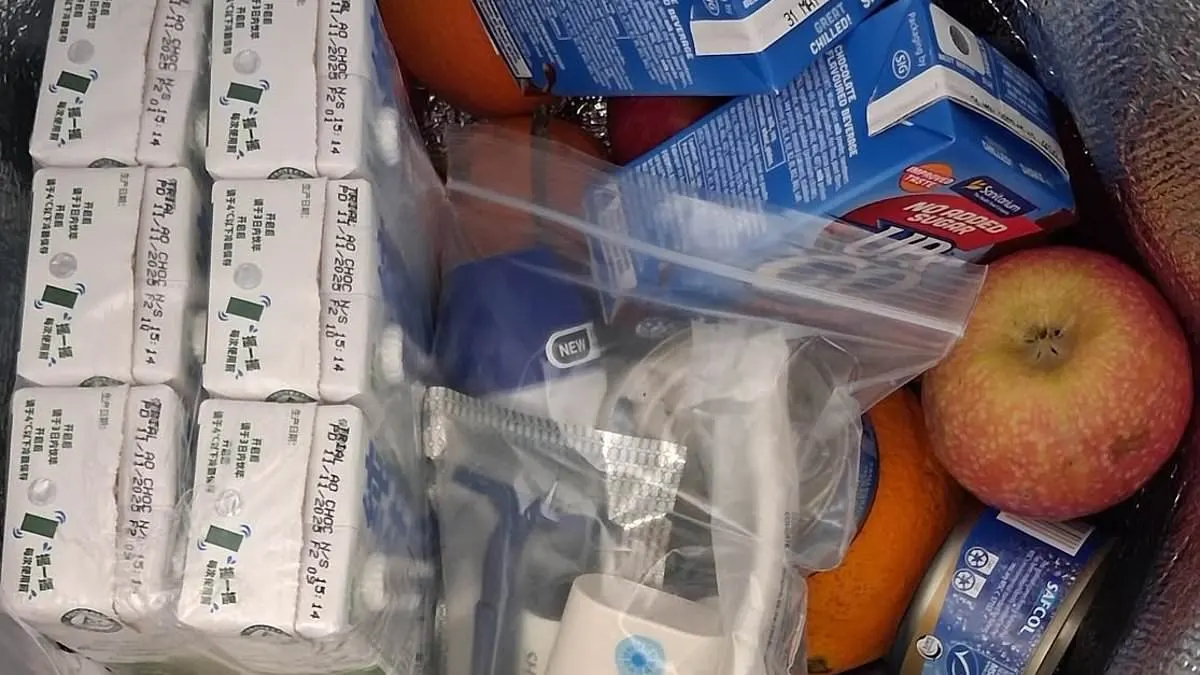
A man’s complaint about a free food hamper from Echuca Neighbourhood House in northern Victoria drew strong criticism on a local community page. The episode highlighted the difficulty of tailoring food relief to individual preferences when charities depend on donated supplies.
The hamper included fruit, canned tuna, long-life milk, breakfast drinks and toiletries. More than 1,000 locals criticised the post, while manager Sarah Peake said the volunteer-led charity tries to customise hampers but cannot meet every request. The organisation offers hampers three days a week and hot meals for $2 a portion.
In short
- A recipient criticised a donated food hamper online.
- More than 1,000 locals rebuked the complaint.
- The charity says donations limit its ability to meet every request.
Steelman: both sides, in good faith
The strongest fair case each way — we don't pick a winner.
The case for
Food relief should be useful to the people receiving it, and items that do not suit someone’s needs, preferences or circumstances may go unused. The recipient could reasonably raise that mismatch, while charities might learn from feedback and improve how they ask about dietary needs or offer choices where possible.
The case against
The hamper was free and assembled from donated supplies by a volunteer-led charity, which may have limited ability to tailor every parcel. Publicly criticising it for including unrequested items risks discouraging volunteers and donors, even as the organisation works to provide food and low-cost meals to the community.
Explained simply
Echuca Neighbourhood House is a community organisation in northern Victoria that provides practical support, including food relief. Its volunteers make up free hampers from donated goods, so the contents can vary according to what is available.
Food charities often try to account for people’s needs and preferences, but limited supplies can make this difficult. The issue matters because relief services must balance personal choice with the resources they have, while helping people who may be struggling to afford food.