Trump takes the credit as Netanyahu edges ahead in Israeli elections
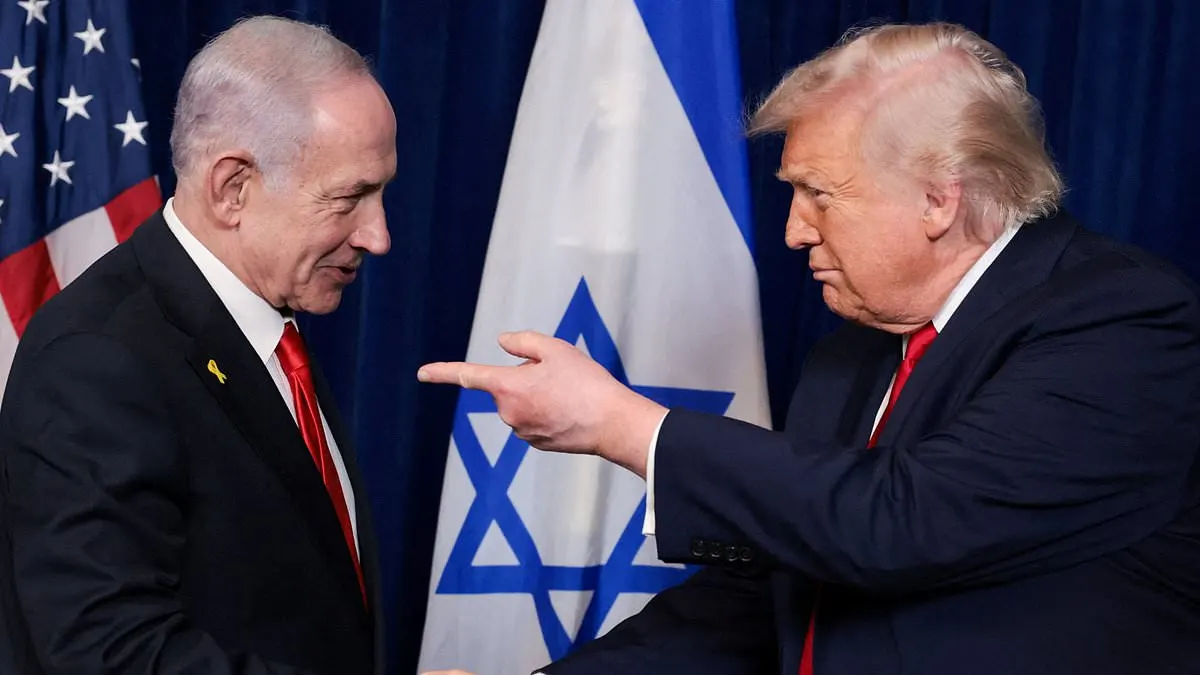
Donald Trump claimed his endorsement helped Benjamin Netanyahu improve his prospects in Israel’s election, turning what he described as a likely defeat into a possible win. Early results put Netanyahu’s Likud-led bloc ahead, but short of a parliamentary majority, leaving his hold on power uncertain.
The bloc was projected to win 53 seats, against 48 for a coalition led by Gadi Eisenkot; 61 seats are needed for a majority. Around 500,000 absentee ballots remained to be counted and were not expected to change the result dramatically. Israel’s president is due to ask someone to form a government next week, with negotiations potentially involving Arab-led parties; failure to form a government could lead to another election early next year.
In short
- Trump says his endorsement helped Netanyahu’s election showing.
- Netanyahu’s bloc was projected to win 53 seats, short of a majority.
- Coalition talks will determine whether Israel needs another election.
Steelman: both sides, in good faith
The strongest fair case each way — we don't pick a winner.
The case for
Supporters of Trump’s claim could argue that his endorsement gave Netanyahu a visible boost among voters who value close ties with the United States, and helped frame the choice around security and international influence. If Netanyahu’s bloc finishes ahead after seeming at risk of defeat, it is reasonable to see the endorsement as one factor that improved his prospects, even if it did not secure a majority.
The case against
Sceptics could argue that early results show only a narrow lead, with Netanyahu’s bloc still short of a majority, so the election outcome cannot establish that Trump’s endorsement changed voters’ choices. Israeli voters may have been responding mainly to domestic concerns, and the endorsement’s effect is difficult to separate from other campaign factors; taking credit may therefore overstate its role.
Explained simply
Israel is a parliamentary democracy, where voters choose parties for the Knesset, the country’s parliament. A government needs the support of at least 61 of its 120 members, so parties often negotiate with others to assemble a governing majority.
Benjamin Netanyahu leads Likud, a major Israeli party, while Gadi Eisenkot leads a rival coalition. The president formally asks a politician to try to form a government, and that process can involve negotiations among parties, including Arab-led parties.
Donald Trump was president of the United States and publicly supported Netanyahu. Israeli elections matter beyond the vote itself because the outcome shapes who leads the government and which parties have influence; if no one can assemble enough support, another election may follow.
Elections Government Middle East Politics World