OBR forecasts two years of falling UK living standards amid tax rises and energy costs
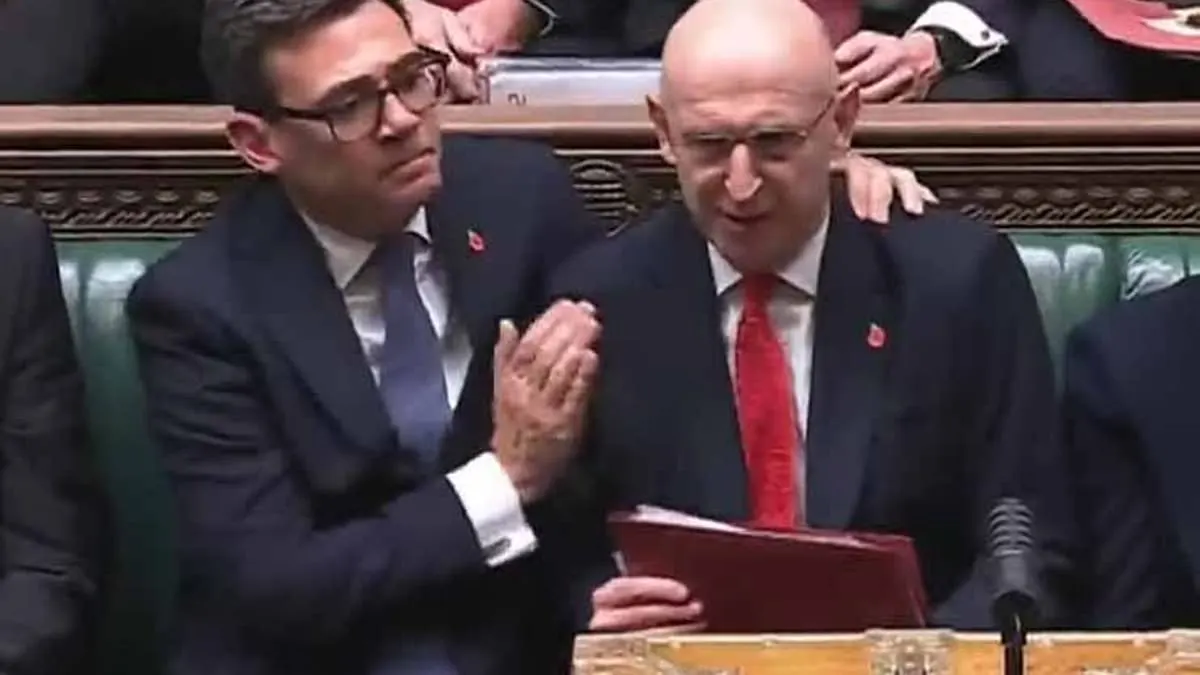
The Office for Budget Responsibility (OBR) forecasts that UK household living standards will fall over the next two years as energy costs rise and taxes increase. The outlook challenges Andy Burnham’s promise to give families “breathing space” and points to a prolonged squeeze on household finances.
The OBR expects the tax burden to reach 37.9 per cent of GDP next year and peak at 38.6 per cent, while growth in 2027 is forecast at 1 per cent, down from 1.6 per cent. Real household disposable income per person is £420 below its level two years ago and is not expected to recover for another two years; over the decade from 2020, it is forecast to rise by just 1 per cent.
In short
- Household living standards are forecast to fall for two years.
- The tax burden is expected to peak at 38.6 per cent of GDP.
- Disposable income per person is £420 below its level two years ago.
Steelman: both sides, in good faith
The strongest fair case each way — we don't pick a winner.
The case for
A prolonged fall in living standards is a serious concern because families have less room to absorb higher energy bills and taxes, while weak growth and slow income recovery risk prolonging the squeeze. The forecasts also make promises of near-term relief harder to deliver, so households may reasonably expect policymakers to explain how they will protect disposable incomes.
The case against
The figures describe a forecast, not a settled outcome, and higher taxes may be defended if they fund public services or support longer-term economic stability. Energy costs and growth can change, and judging policy only by near-term household income may overlook the benefits of investment or fiscal choices whose effects take time to emerge.
Explained simply
The Office for Budget Responsibility is the UK’s independent fiscal watchdog. It produces forecasts for the economy and public finances, including how much the government is expected to raise in taxes and how household incomes may change.
Living standards are often measured by real household disposable income per person: money left after taxes, adjusted for price rises and shared across the population. Energy bills and other costs affect how much that money can buy, while tax changes affect how much people keep.
Andy Burnham is a senior Labour politician who has spoken about easing pressure on families. The forecasts matter because they shape expectations about household finances and the choices facing the government.
Read the full article at the source →
Originally published by Daily Mail as “‘Grim picture’ for family finances as Budget forecasts reveal years of pain – in blow to Burnham’s ‘breathing space’”.