Al Fayed’s widow rejects abuse claims as estate disputes £150m compensation bill
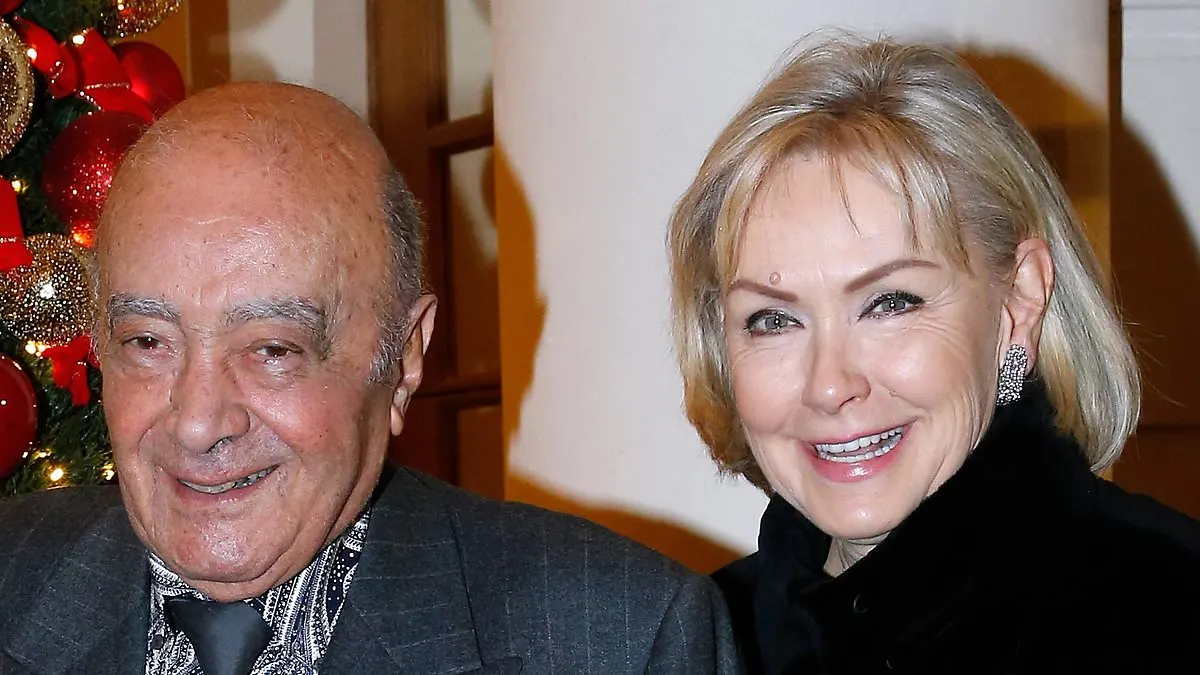
Mohamed Al Fayed’s widow, Heini Wathen-Fayed, says she does not believe allegations that he sexually abused women and would not support compensation settlements, according to a letter cited in court. Her position is part of a dispute over responsibility for claims, as Harrods seeks to have her and two of Al Fayed’s daughters removed as executors of his estate.
Lawyers for 270 women put the claims at about £150 million, while the estate’s lawyers argue that figure is overinflated and that the strongest personal injury claim would be worth far less. Harrods says Al Fayed’s estate is worth £111 million and could become bankrupt, and is seeking access to funds for compensation. Survivors’ advocates say the legal dispute is delaying redress; police investigations in Britain and France are continuing.
In short
- Al Fayed’s widow disputes abuse allegations and opposes settlements.
- Claims by 270 women are valued at about £150 million.
- Harrods seeks changes to the estate’s executors and access to funds.
Steelman: both sides, in good faith
The strongest fair case each way — we don't pick a winner.
The case for
The estate can reasonably dispute the proposed £150 million total if it believes the claims have not been individually assessed or the estimate exceeds what the evidence and legal standards support. Executors also have a duty to protect beneficiaries and creditors from unjustified payments, particularly if large settlements could exhaust the estate; allegations and police investigations do not by themselves establish liability.
The case against
The women bringing claims may argue that the scale of the alleged abuse and the number of claimants warrant substantial compensation, and that a low estimate based on a single claim fails to reflect the overall harm. They may also contend that challenging the total or resisting settlements prolongs survivors’ wait for redress, while the estate’s resources should be used to address well-founded claims.
Explained simply
Mohamed Al Fayed was an Egyptian-born businessman who owned Harrods, the London department store, from 1985 until 2010. After his death in 2023, women made allegations that he had sexually abused them, including during his time as Harrods’ owner; the allegations are claims, and police investigations are under way.
An estate is the money and property left when someone dies, managed by people known as executors. Disputes about the estate matter because compensation claims may depend on whether money can be made available, while the value of the claims and the estate’s ability to pay are contested.
Read the full article at the source →
Originally published by Daily Mail as “Mohamed Al Fayed’s widow says she does not believe sexual predator allegations against late Harrods owner are true and that £150million compensation claims are ‘overinflated’”.