The Best Handheld Translators for Work and Travel (2026)
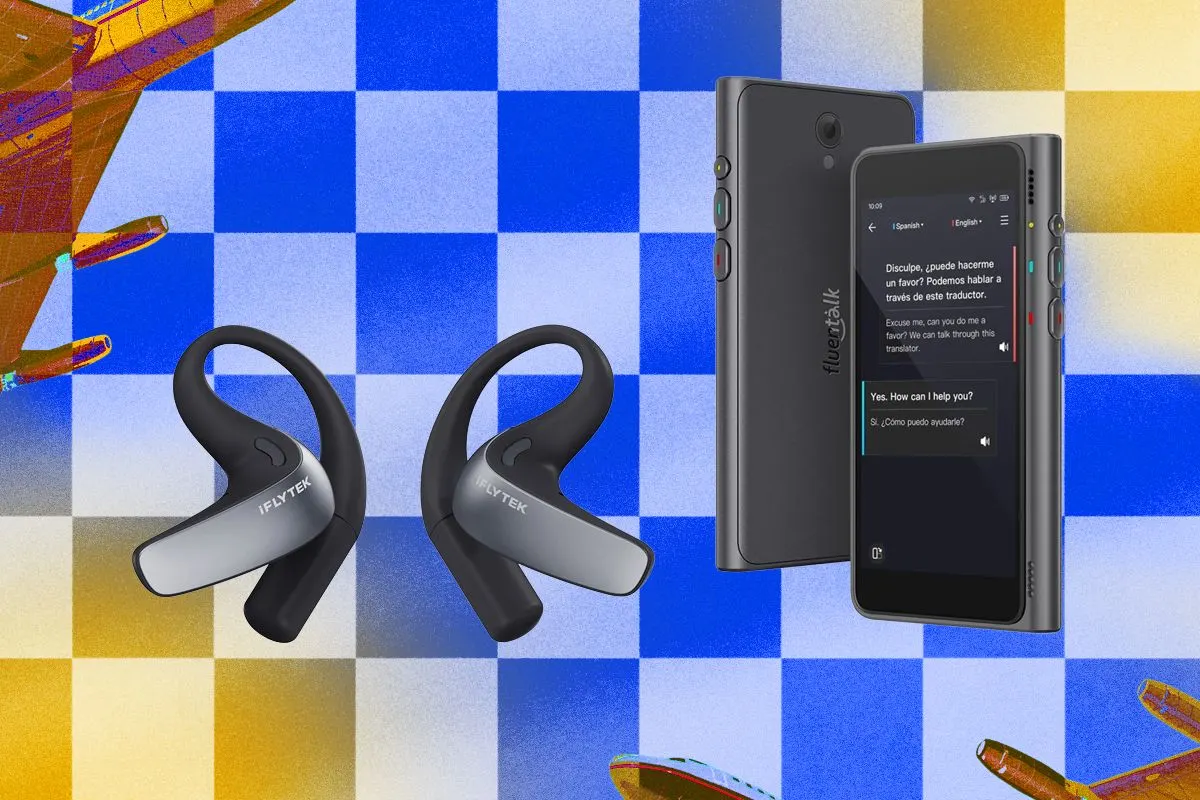
The article explains when a dedicated handheld translator can be more useful than a phone app for travel and work. While apps can handle everyday needs such as directions or ordering food, standalone devices are better suited to longer spoken conversations and let travellers keep their phones free for other tasks.
Many handhelds show translated speech as text for both people, connect through Wi-Fi or built-in data plans, and can work offline when language packs are downloaded in advance. The article also points to translator earbuds as a more natural option for conversation, though handheld devices often offer more features. Buyers should check which language pairs are supported and whether service requires a costly subscription after a trial.
In short
- Phone apps usually suffice for simple travel translations.
- Handheld devices can help with longer conversations and offline use.
- Check language coverage and subscription costs before buying.
Steelman: both sides, in good faith
The strongest fair case each way — we don't pick a winner.
The case for
A dedicated translator can make work and travel conversations easier by displaying speech for both people, supporting longer exchanges and leaving a phone free for navigation or other tasks. Offline language packs and built-in connectivity may also help where phone service is limited, while earbuds can offer a more natural way to talk.
The case against
For many everyday situations, a phone app may be sufficient and avoids buying or carrying another device. Handheld translators can have gaps in supported language pairs or require paid subscriptions, and earbuds may feel more natural for conversation; the extra features of a standalone device may not justify its cost or complexity for occasional use.
Explained simply
Handheld translators are portable devices designed to convert speech or text between languages. They are used by travellers and people working across language barriers, alongside translation apps on smartphones.
Many devices display translated speech on a screen, connect to the internet and offer downloadable language packs for offline use. Translator earbuds provide another option for spoken conversations, while the range of features varies by device.
The right choice can depend on which languages a person needs and whether they will have internet access. Some devices also require a paid subscription after an introductory trial, so ongoing costs may matter.