Boston delays discrimination report after slavery research contract is cancelled
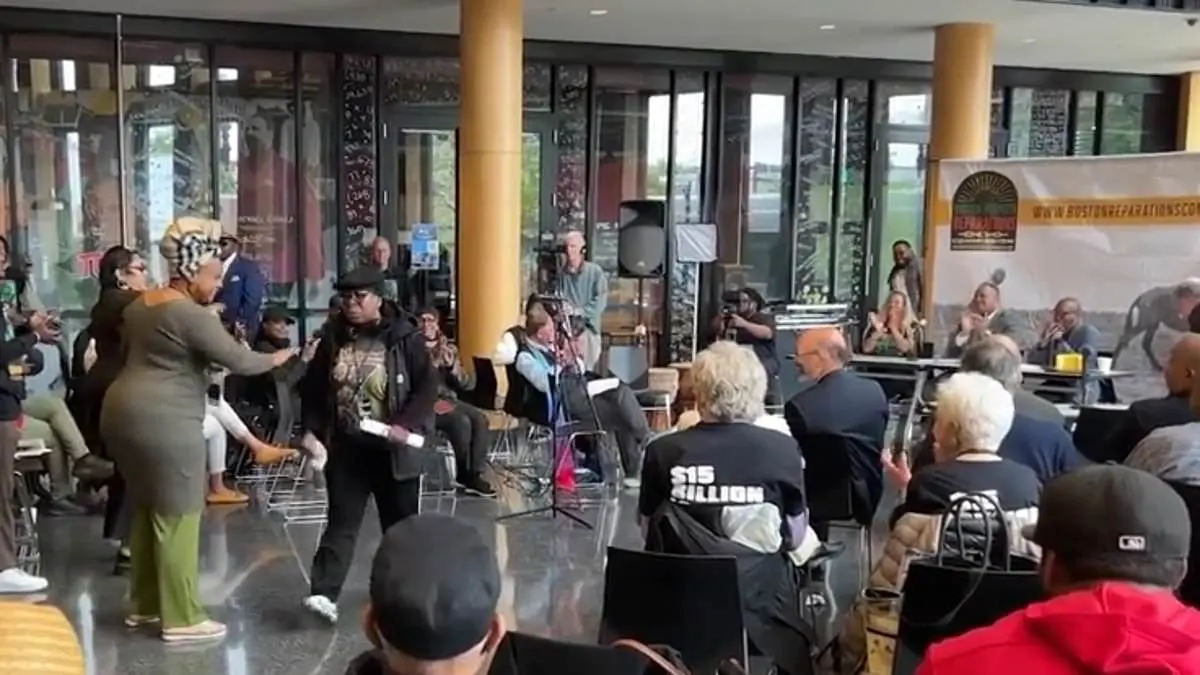
Boston’s reparations task force is considering delaying the release of a Northeastern University report on discrimination against Black residents since 1940, so it can be presented alongside replacement research on slavery and its legacy. The decision follows the cancellation of a Tufts University study after questions were raised about the accuracy of a book by its lead researcher; there is no suggestion that the Northeastern report itself contains errors.
The two reports were originally due to be published by 2023, and the research has drawn criticism after $500,000 was paid for it. Tufts and the city say they cancelled the first report’s contract because the lead researcher had left the university and no suitable replacement was found; Tufts returned the full contract value. The task force has not voted on withholding the Northeastern report, and it is unclear who has final authority. In 2024, Boston’s People’s Reparations Commission called for $15 billion in reparations.
In short
- Boston may delay a discrimination report until replacement slavery research is ready.
- Tufts cancelled its study and returned the contract’s full value.
- The task force has not voted, and authority over a delay is unclear.
Steelman: both sides, in good faith
The strongest fair case each way — we don't pick a winner.
The case for
Releasing the Northeastern report alongside replacement research could give residents and decision-makers a fuller account of slavery and later discrimination, while avoiding a fragmented public debate. A short delay may also help the task force present the findings with clear context and explain how the cancelled study will be replaced.
The case against
The Northeastern report is not alleged to contain errors, so delaying it because a separate Tufts study was cancelled could hold back sound research without resolving the underlying gap. Publishing the completed work promptly would support transparency and allow public discussion to proceed, while replacement research can be presented when it is ready.
Explained simply
Boston’s reparations task force is examining whether the city should address harms linked to slavery and later discrimination against Black residents. A reparations report can document past harms and inform proposals for remedies, though it does not itself decide what the city will do.
Northeastern University researched discrimination against Black residents from 1940 onwards. Tufts University had been contracted to study slavery and its legacy, but that contract was cancelled after concerns arose about a book by the study’s lead researcher; the Northeastern report is a separate piece of research.
Boston’s People’s Reparations Commission called for $15 billion in reparations in 2024. The research has drawn scrutiny over its cost and delays, and the task force is considering how the reports should be presented.
Read the full article at the source →
Originally published by Daily Mail as “Boston begins backtracking on reparations task force created at the height of ‘peak woke’”.