Musk claims Democratic control could entrench one-party rule in US
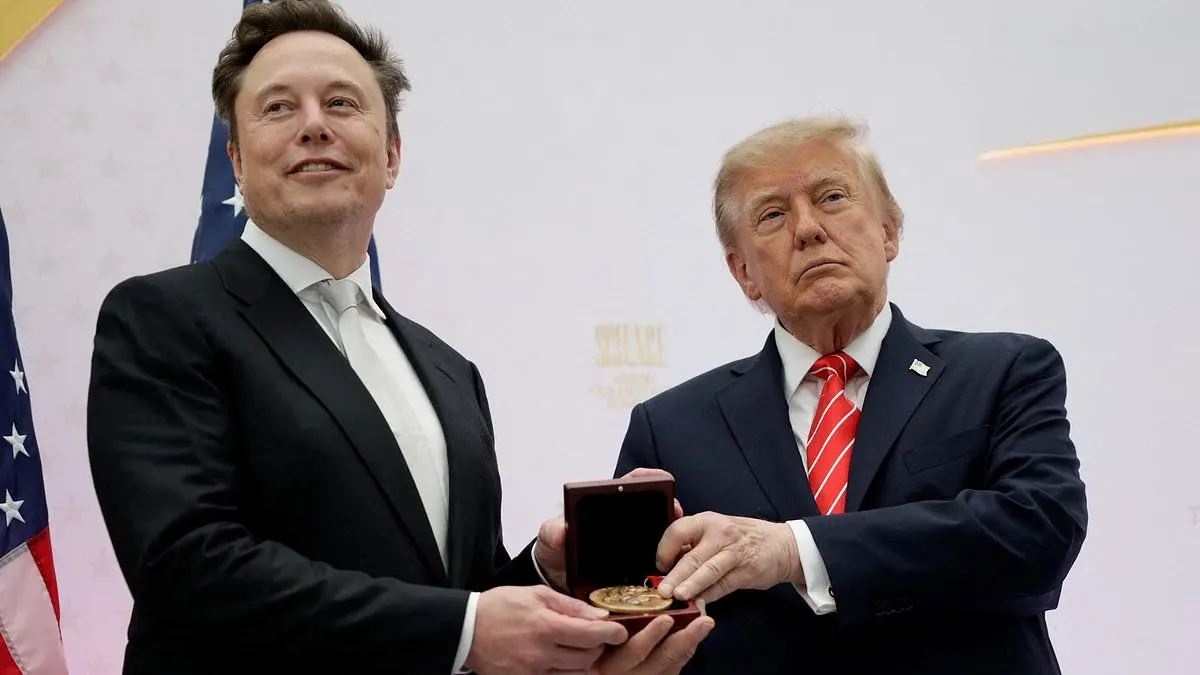
Elon Musk has warned that Democratic control of both chambers of Congress could lead to what he called a permanent one-party state and the end of American democracy. He urged voters to support Republican Senate candidates, arguing that Democrats would use a win to secure lasting political power.
Musk outlined three possible actions: granting statehood to Washington, DC, and Puerto Rico; legalising undocumented immigrants; and expanding the Supreme Court. The article notes that current Democratic immigration proposals do not call for open borders, and that a Democratic supermajority would face political and constitutional obstacles. Federal filings show Musk gave more than $445 million to political committees by mid-October, bringing his recent contributions, including those for 2024, to over $735 million; prediction market Kalshi put Democratic chances of winning the House at 92 per cent and the Senate at 70 per cent.
In short
- Musk says Democratic gains could entrench one-party rule.
- He has donated over $735 million in recent years.
- Kalshi favours Democrats in both chambers.
Steelman: both sides, in good faith
The strongest fair case each way — we don't pick a winner.
The case for
Those concerned by Musk’s warning could argue that expanding the electorate through statehood or changes to immigration rules, alongside altering the Supreme Court’s size, might give one party lasting institutional advantages if pursued for partisan gain. They may see divided government as a safeguard against rapid changes to electoral and judicial arrangements, and argue that voters should take seriously the possibility of power being used to entrench itself.
The case against
Critics could argue that these proposals are ordinary subjects of democratic debate, and that presenting them as a route to permanent one-party rule exaggerates both their likely effects and the ease of enacting them. Statehood, immigration legislation and court expansion would face substantial political and constitutional constraints, while the reported proposals do not amount to open borders; on this view, election outcomes and continued political competition are better safeguards than claims of imminent democratic collapse.
Explained simply
The US Congress has two chambers: the House of Representatives and the Senate. Control of each is decided in elections, and the party with more seats can shape which bills are considered and passed, although the president can veto legislation and courts can rule on whether laws are constitutional.
The Democratic and Republican parties are the country’s two main political parties. Washington, DC, and Puerto Rico do not have statehood, and changing their status would require action by Congress; expanding the Supreme Court would also require Congress to pass a law. These debates matter because they concern how political power is shared and how durable changes to government can be made.
Elon Musk is a business executive who has become a major political donor. His public appeals to voters and large contributions have drawn attention to the role wealthy individuals can play in election campaigns.
Americas Art Culture Elections Politics World
Read the full article at the source →
Originally published by Daily Mail as “Elon Musk warns of worst-case scenario should Democrats take power as he’s on the hook to lose millions: ‘It would be game over for America’”.