Culture news and discussion on TalkFuse.
RNC chair predicts GOP Senate wins in Alaska, Texas, 3 other battlegrounds
Developed over time first seen 4 days ago
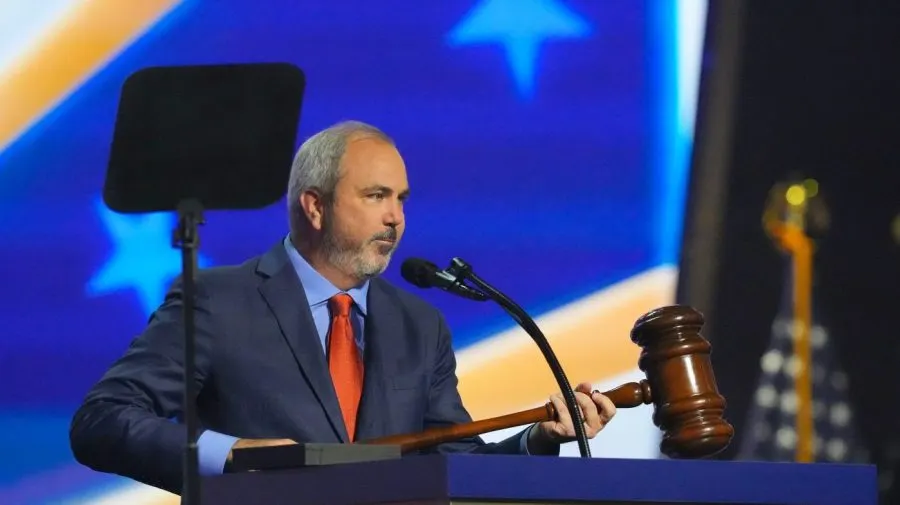
Republican National Committee chair Joe Gruters predicted on 30 October that Republicans would win US Senate races in Alaska, Texas, Maine, Ohio and North Carolina in the 3 November midterm elections. Speaking to NewsNation, he argued that well-known candidates could overcome a national polling disadvantage. His forecast was more optimistic than Decision Desk HQ’s assessment at the time: it narrowly favoured Democrats in four of those races and rated North Carolina as likely to elect a Democrat.
Gruters was responding in part to an Emerson College poll that put Democrats 10 points ahead on the national congressional ballot. He also discussed the Alaska Senate contest, where authorities were investigating reports of an effort to recruit a candidate with the same name as Republican incumbent Dan Sullivan. Democratic nominee Mary Peltola and her campaign denied involvement. Asked whether the RNC would seek to delay certification if Peltola won, Gruters said he would follow the state governor’s lead. His remarks were a campaign prediction, not an election result.
- Sources
- 2
- Outlets
- 2
- Left · Centre · Right
- 0 · 0 · 1
In short
- Gruters predicted Republican Senate wins in five contested states.
- Election forecasts and national polling gave Democrats an advantage.
- He said the RNC would follow Alaska’s governor on a disputed candidate investigation.
How this story developed
- 4 hours ago Republican National Committee chair Joe Gruters predicted on 30 October that Republicans would win US Senate races in Alaska, Texas, Maine, Ohio and North Carolina in the 3 November midterm elections. Speaking to NewsNation, he argued that well-known candidates could overcome a national polling disadvantage.
Steelman: both sides, in good faith
The strongest fair case each way — we don't pick a winner.
The case for
Gruters could reasonably argue that national polling does not settle individual Senate races: familiar candidates, local concerns and differences in turnout can help Republicans outperform the national ballot measure. A party chair may also have grounds to express confidence to motivate supporters, while leaving the result to voters and state procedures.
The case against
The forecast was substantially more optimistic than the cited race-by-race assessment, which favoured Democrats in four contests and rated North Carolina likely to do so. Critics could argue that confident predictions from a party chair are campaign messaging rather than neutral analysis, and that the reported effort involving a candidate with Sullivan’s name makes clear, even-handed election administration especially important.
Explained simply
In the United States, voters elect senators to represent their states in Congress, and Senate elections can affect which party has more influence over national laws and appointments. In a midterm election, these contests take place halfway through a president’s four-year term, alongside elections for the House of Representatives and other offices.
The Republican National Committee (RNC) helps organise and support the Republican Party, while the Democratic National Committee serves the same role for Democrats. Candidates run in each state, and local voters decide the result; national polling and party leaders’ forecasts do not determine who wins.
Alaska’s race featured Republican incumbent Dan Sullivan and Democratic nominee Mary Peltola. Reports of an effort to recruit a candidate sharing Sullivan’s name drew attention because a similar name on the ballot could confuse some voters; Peltola and her campaign denied involvement.
Coverage · 2 sources
Americas Art Culture Elections Government Politics World