Avanti West Coast paid out £20m in ‘delay repay’ passenger refunds this summer
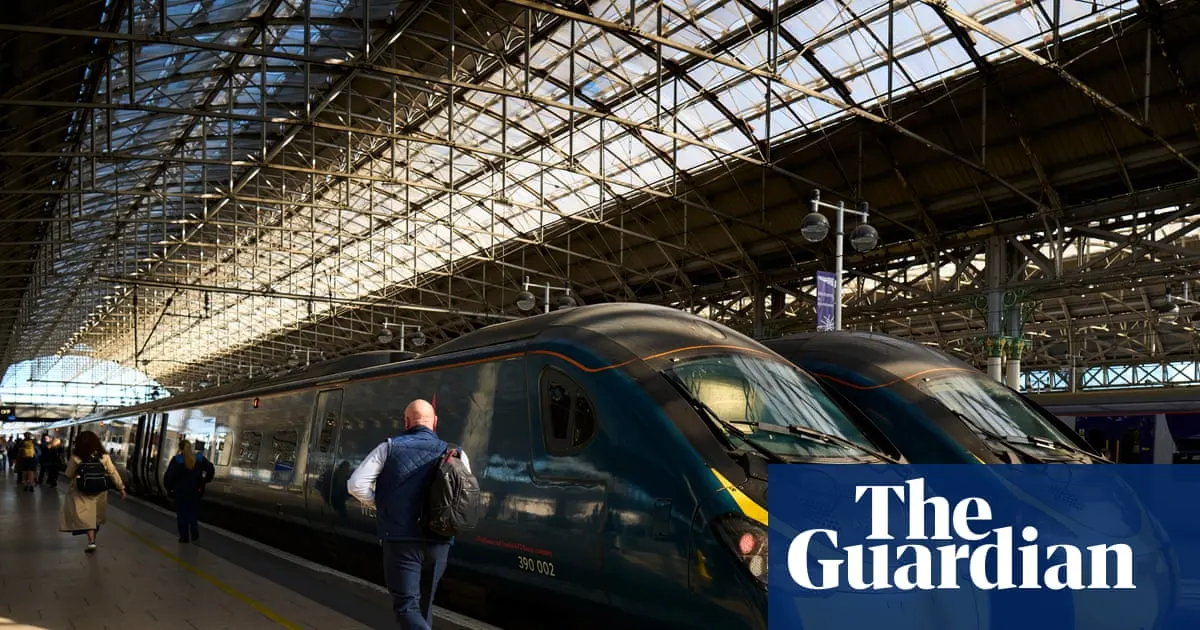
Avanti West Coast paid more than £20m in passenger compensation over three summer months, reflecting widespread disruption on Britain’s main intercity rail network. Its rising payouts matter because the operator’s compensation bill is expected to exceed £70m this financial year, while passenger claims are increasing across the railway.
Avanti paid £9.3m in the four weeks to 25 July and a further £12.2m over the next eight weeks. Across all operators, compensation reached £150m in 2024-25, with Avanti accounting for £40.5m, or about 27%; it paid more than £50m in 2025-26. Nationally, passengers filed 9.1 million claims in 2026, almost 10% more than a year earlier, and 80% were approved. Avanti said fewer than a quarter of its delays were directly its responsibility between May and August, and said it offers automatic compensation for delays of at least 15 minutes.
In short
- Avanti paid more than £20m in summer delay compensation.
- Its bill is expected to exceed £70m this financial year.
- Rail passengers filed 9.1 million claims in 2026.
Steelman: both sides, in good faith
The strongest fair case each way — we don't pick a winner.
The case for
The compensation bill reflects the disruption passengers experienced and helps ensure they are not left bearing the full cost of late or cancelled journeys. Rising claims may also show that more passengers know how to claim, while automatic payouts for eligible delays make redress easier to access.
The case against
A large and rising bill can put pressure on the railway’s finances, potentially leaving less for improving services or requiring greater support from public funds. Avanti says fewer than a quarter of its delays were directly its responsibility, so the payouts may also reflect disruption caused by factors beyond the operator’s control.
Explained simply
Avanti West Coast runs long-distance trains linking London with cities including Birmingham, Manchester, Liverpool and Glasgow. It is part of Britain’s rail network, where passengers can claim compensation when trains arrive late or are cancelled; the amount usually depends on how long the delay is.
The compensation system, known as Delay Repay, is intended to reimburse passengers for disrupted journeys. Delays can arise from problems involving the train operator, tracks, signals, weather or other parts of the railway, so responsibility may be shared. The scale of claims matters to passengers and rail operators because it reflects disruption and affects the cost of running the network.