Healey insists welfare bill will come down under Labour but warns: ‘We never set a timetable for savings’
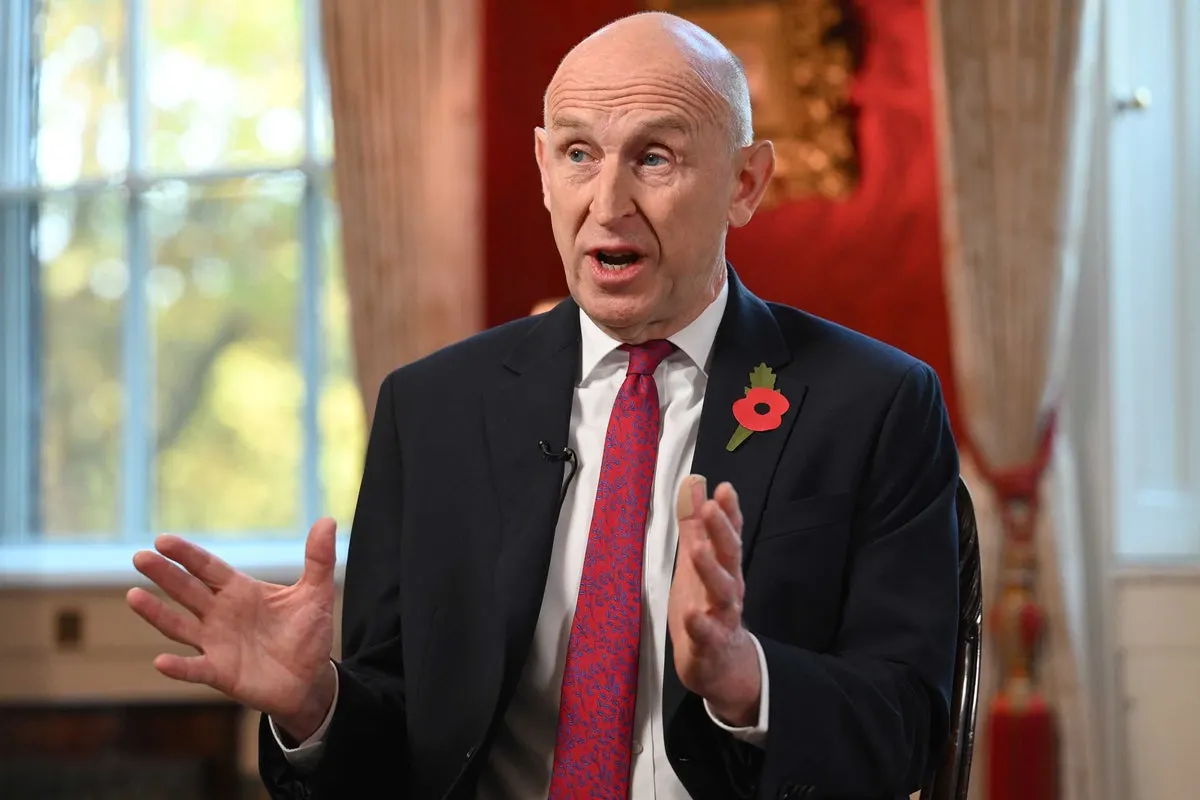
John Healey said the overall welfare bill would fall under Labour, while rejecting reports that he had promised it would start falling before the next general election. His remarks followed confusion over the timing of savings after the Government delayed major welfare changes until 2027.
Healey said changes would begin next year, but the timetable for savings had not been set. The Office for Budget Responsibility forecasts health-related benefits, including sickness benefits and Personal Independence Payments, will cost £105 billion in 2028-29; it has also warned the wider sickness and disability bill could reach £100 billion a year before the decade ends. Labour says it will consider reviews of disability benefits and youth unemployment before setting out legislation.
In short
- Healey says Labour will reduce the overall welfare bill.
- He says no timetable for savings has been set.
- The OBR forecasts health-related benefits at £105bn in 2028-29.
Steelman: both sides, in good faith
The strongest fair case each way — we don't pick a winner.
The case for
Labour can argue that welfare spending must become sustainable as health-related claims rise, while reforms should be shaped by reviews of disability benefits and youth unemployment rather than rushed to meet an arbitrary deadline. Delaying major changes until 2027 may allow time to design measures that support people into work where possible and protect those who need assistance.
The case against
Critics can argue that promising the welfare bill will fall without a timetable or clear measures makes the commitment difficult to assess, especially as major changes are delayed and forecasts point to high costs. Uncertainty over when savings will begin may also concern people who rely on disability support, who need clarity about how reviews could affect their benefits.
Explained simply
Welfare spending covers payments that support people who are out of work or have extra costs because of illness or disability. Personal Independence Payment helps with some of the additional costs of long-term health conditions, while other benefits provide income to people unable to work.
The UK Government sets welfare policy, and John Healey is a Labour minister. The Office for Budget Responsibility independently forecasts public spending and the economy; its estimates help show the scale of future welfare costs.
Changes to benefits can affect people who rely on them, as well as government spending and decisions about public services and taxes. Reviews of disability benefits and youth unemployment are part of the background to Labour’s plans.