ChatGPT tightens teens’ access to practical weapons and security advice
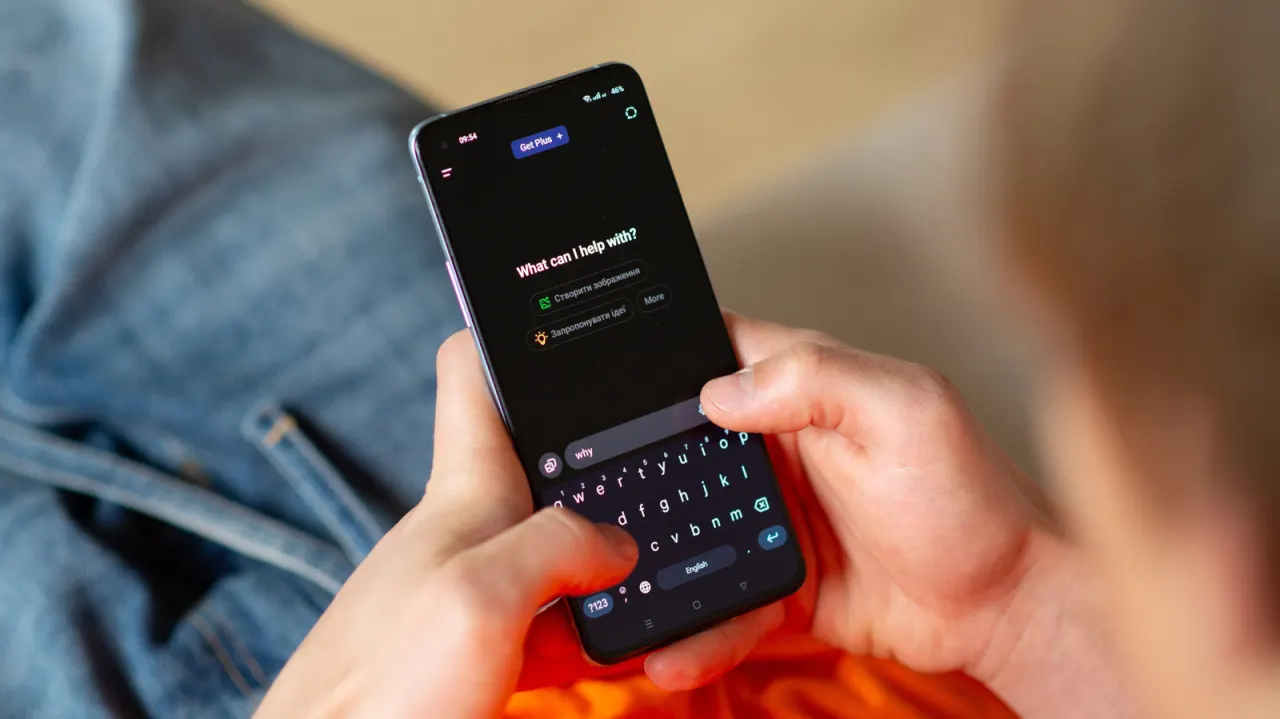
OpenAI is tightening ChatGPT’s rules for teen users, restricting practical information about weapons and security systems even when a question appears harmless or shows no violent intent. The company says the change is intended to reduce the risk that such information could be used to facilitate violence, while teens can still seek help with preventing or de-escalating violence and contacting a trusted adult.
OpenAI is also setting firmer limits for all users on detailed reconstructions of past mass attacks, including information about weapons and equipment, how they were obtained, and comparisons of harm that could amplify an attacker’s notoriety. The safeguards will work alongside parental controls that can notify parents about linked teen accounts involved in policy violations related to violent threats or acts. The changes follow a wrongful death lawsuit and scrutiny over the company’s response to alarming chat logs; OpenAI says its first Community Safety Report is due in early 2027, with updates every six months.
In short
- ChatGPT will restrict practical weapons information for teens, even without apparent violent intent.
- The limits also cover detailed accounts of past mass attacks for all users.
- OpenAI plans its first Community Safety Report in early 2027.
Steelman: both sides, in good faith
The strongest fair case each way — we don't pick a winner.
The case for
Restricting practical weapons and security advice for teenagers could reduce the chance that information is misused, even when a request seems harmless; young people may be difficult to assess reliably from a chat alone. Limits on detailed accounts of mass attacks may also reduce the risk of enabling violence or rewarding attackers with notoriety, while preserving access to prevention and de-escalation help. These safeguards reflect a precautionary approach to protecting teenagers and the public.
The case against
Broad restrictions may block teenagers from legitimate learning, personal safety research or understanding how security systems work, while offering little protection if determined users can find the same information elsewhere. Limits on detailed reconstructions of attacks could also make it harder for students, journalists and researchers to examine how such events unfolded and what might prevent them. A thoughtful critic could argue that clear, narrow rules and transparent oversight would protect against misuse while better preserving access to useful information.
Explained simply
ChatGPT is an artificial intelligence service that generates replies to users’ questions and requests. Teenagers can use it to ask about a wide range of subjects, including weapons, security systems and violence.
OpenAI develops ChatGPT and sets rules for what it will provide. Its safeguards also cover accounts linked to parents, who may be notified about certain violations involving violent threats or acts.
The rules have drawn attention amid legal scrutiny of OpenAI’s handling of alarming conversations and a wrongful death lawsuit. The wider issue is how AI services can limit information that might enable harm while still supporting people seeking help to prevent or de-escalate violence.
AI Business Companies Technology
Read the full article at the source →
Originally published by Engadget as “OpenAI adds stricter limits for teens asking about firearms”.