Queen’s Park residents report Victorian homes sinking during HS2 tunnelling
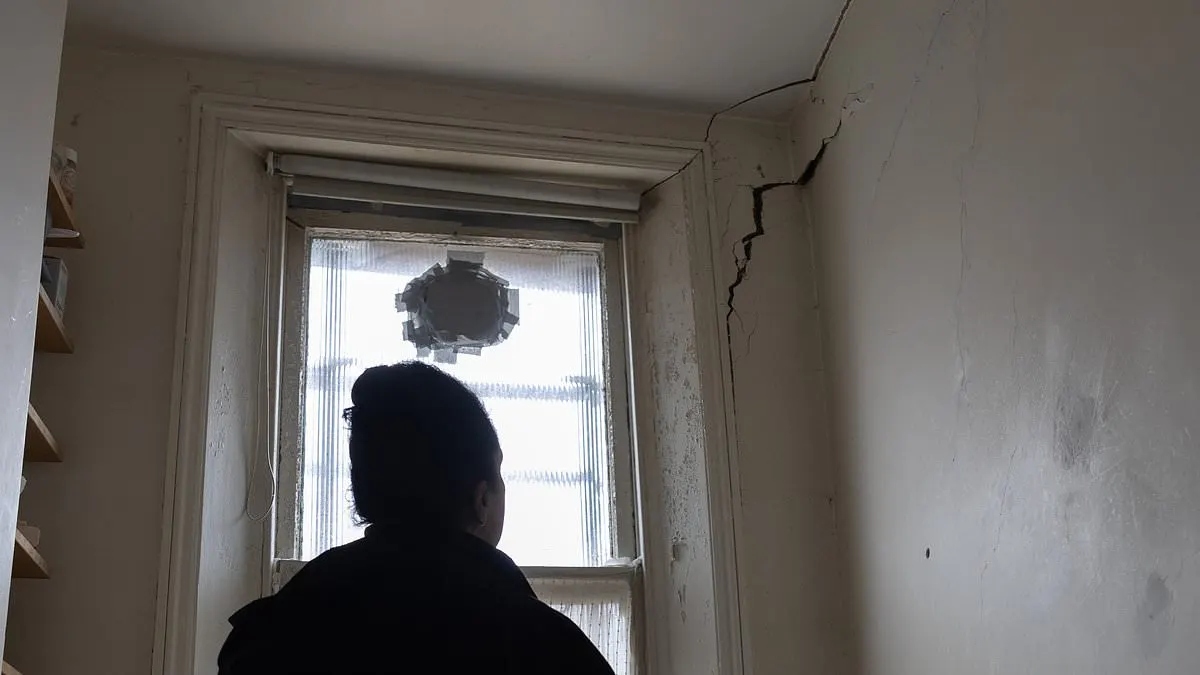
Residents in Queen’s Park, north-west London, say HS2 tunnelling has worsened cracks and caused some Victorian homes to sink, prompting safety concerns and temporary rehousing. The reports matter because residents say they have limited clarity on repairs or compensation while construction continues beneath their streets.
A tunnel boring machine began work in August on a section between Euston and Oak Common Road. Around a dozen homeowners on Kilburn Lane and Claremont Road report damage; ground-floor tenants in one building were moved into temporary accommodation after emergency scaffolding was installed. HS2 says monitoring shows settlement has been small and within expectations, and says it will compensate for material damage caused by tunnelling.
In short
- Queen’s Park residents report cracks and sinking linked to HS2 tunnelling.
- Tenants were moved after emergency scaffolding was installed.
- HS2 says measured ground settlement is small and expected.
Steelman: both sides, in good faith
The strongest fair case each way — we don't pick a winner.
The case for
Residents can reasonably argue that cracking, reported sinking, emergency scaffolding and temporary rehousing warrant clear answers and prompt action, even while the cause and extent of damage are assessed. They may say that people facing disruption should have transparent monitoring results, timely repairs and fair compensation if tunnelling caused material harm.
The case against
HS2 can reasonably argue that monitoring indicates settlement has been small and within expected limits, so reports of damage should be investigated before attributing them to tunnelling. It says it will compensate for material damage it caused, while continuing construction under monitoring can be justified if safety thresholds are being met.
Read the full article at the source →
Originally published by Daily Mail as “Homeowners ‘trying not to panic’ after HS2 tunnelling causes their Victorian houses to ‘sink and crack’”.