Prescription AI glasses remain impractical as everyday eyewear
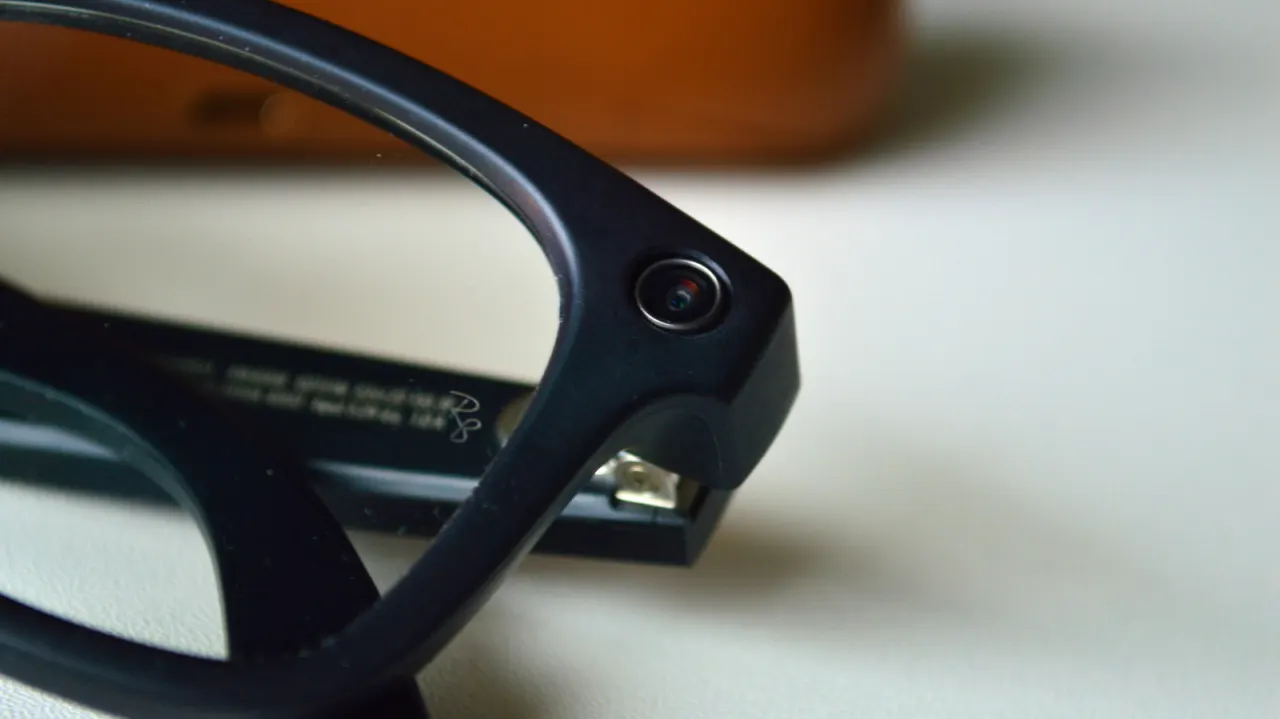
AI glasses can be fitted with prescription lenses, but their extra weight, short battery life and privacy concerns make them a difficult choice as a person’s only everyday glasses. Restrictions in places such as courtrooms, schools and workplaces may also leave wearers unable to use them when they need clear vision.
Ray-Ban Meta glasses, for example, can be ordered with prescription lenses. Ordinary glasses typically weigh 20 to 30 grams, while smart glasses can reach 80 grams; their batteries last about three to five hours, though they still work as basic glasses when power runs out. The article also notes concerns about cameras, audio and human review of some captured media, as well as social discomfort around wearing them.
In short
- Prescription lenses are available for AI glasses.
- They can weigh up to 80 grams.
- Privacy rules and short battery life limit daily use.
Steelman: both sides, in good faith
The strongest fair case each way — we don't pick a winner.
The case for
Prescription AI glasses can combine vision correction with hands-free access to useful tools, and they remain usable as ordinary glasses when the battery runs out. For people who value those features, the extra weight and need to recharge may be an acceptable trade-off, particularly if the glasses are comfortable enough for their daily routine.
The case against
Everyday prescription glasses need to be comfortable and dependable throughout the day, while smart glasses can be substantially heavier and offer only a few hours of battery life. Cameras, audio recording and review of captured media can also raise privacy and social concerns, and restrictions in places such as schools or workplaces may prevent wearers from relying on them when they need clear vision.
Explained simply
Smart glasses look like ordinary spectacles but also contain electronics such as cameras, microphones, speakers and a battery. Some models, including Ray-Ban Meta glasses, can be fitted with prescription lenses, so people who need glasses for clear vision can use their smart features too.
The added hardware can make these glasses heavier than ordinary spectacles, and the battery may need recharging after only a few hours. Cameras and microphones can also raise privacy concerns for wearers and people around them, while rules in places such as schools, courts and workplaces may restrict their use.
Read the full article at the source →
Originally published by Engadget as “AI glasses can replace your prescription glasses, but should they?”.