Haley Stevens’ Unsettling CNN Interview Proves Why She’s Unfit for Public Office
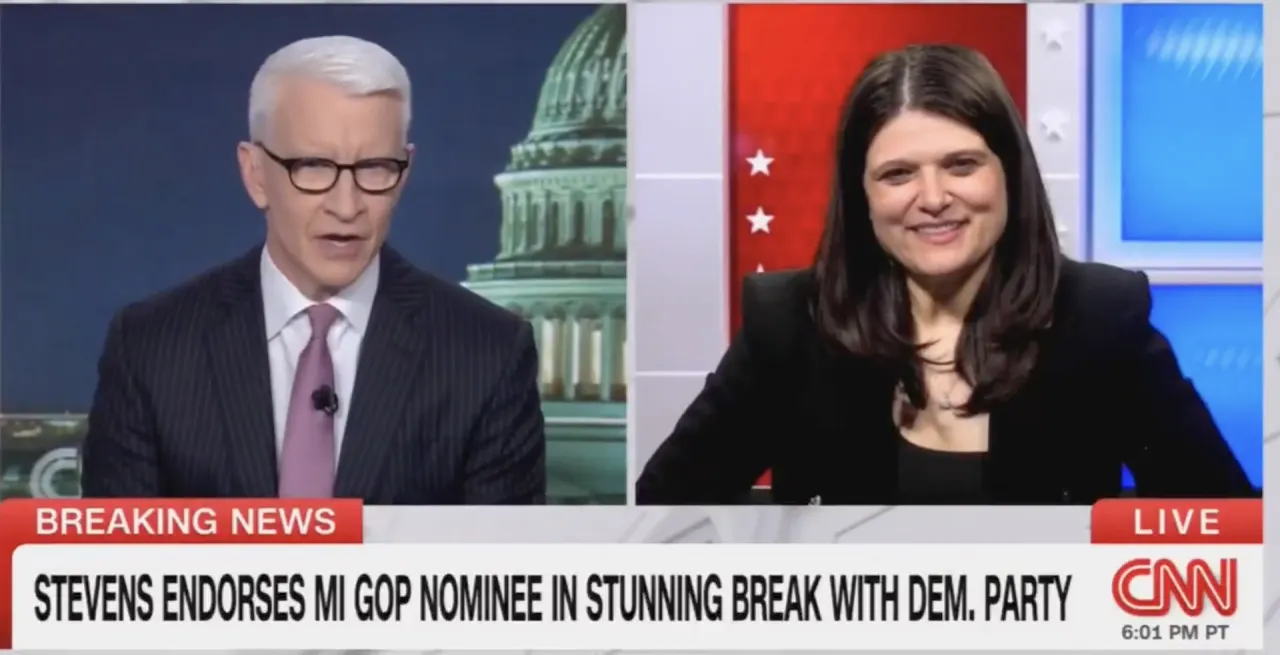
Congresswoman Haley Stevens faced criticism after endorsing Republican Mike Rogers over Democrat Abdul El-Sayed in Michigan’s Senate election, despite having previously supported El-Sayed. In a CNN interview, she struggled to explain the reversal, prompting the article’s author to argue that the exchange showed poor judgement and weakened her political standing.
Anderson Cooper pressed Stevens on what had changed and on a reported assurance to fellow Democrat Debbie Dingell that she would not endorse across party lines. Stevens cited concerns about El-Sayed, including his campaigning with Hasan Piker, while also raising unrelated allegations about another candidate; she did not clearly explain why her concerns had become decisive. The article says Stevens is a lame duck who will leave the House, and that many of her staff have quit.
In short
- Stevens could not clearly explain her endorsement of Republican Mike Rogers.
- Her CNN interview drew criticism from Debbie Dingell and the article’s author.
- Stevens said she is a lame duck and will leave the House.
Steelman: both sides, in good faith
The strongest fair case each way — we don't pick a winner.
The case for
A cross-party endorsement can be a legitimate judgement about which candidate would better serve Michigan, and Stevens may have concluded that concerns about El-Sayed’s associations or positions outweighed her earlier support. Voters are entitled to expect elected officials to explain such a reversal clearly, but a halting television interview alone may not establish that she is unfit for office.
The case against
Stevens had previously supported El-Sayed and reportedly assured Debbie Dingell she would not endorse across party lines, so changing course without a clear account risks undermining trust. If her stated reasons were inconsistent or included unrelated allegations, critics can reasonably argue that the endorsement showed poor judgement and weakened her credibility with constituents.
Explained simply
Michigan’s US Senate election is a contest for one of the state’s two seats in the upper chamber of Congress, where senators serve six-year terms. Haley Stevens is a Democratic member of the House of Representatives, while Mike Rogers is a Republican and Abdul El-Sayed is a Democrat.
Political endorsements can influence voters and carry particular weight when a politician backs a candidate from another party. The reported exchange also refers to Debbie Dingell, a fellow Democratic representative, and Hasan Piker, an online political commentator; the disagreement matters because it raises questions about Stevens’ reasons for changing her support and her standing within her party.
Americas Elections Geopolitics Government Politics World