Mother seeks accountability abroad after daughter killed in Iran protests
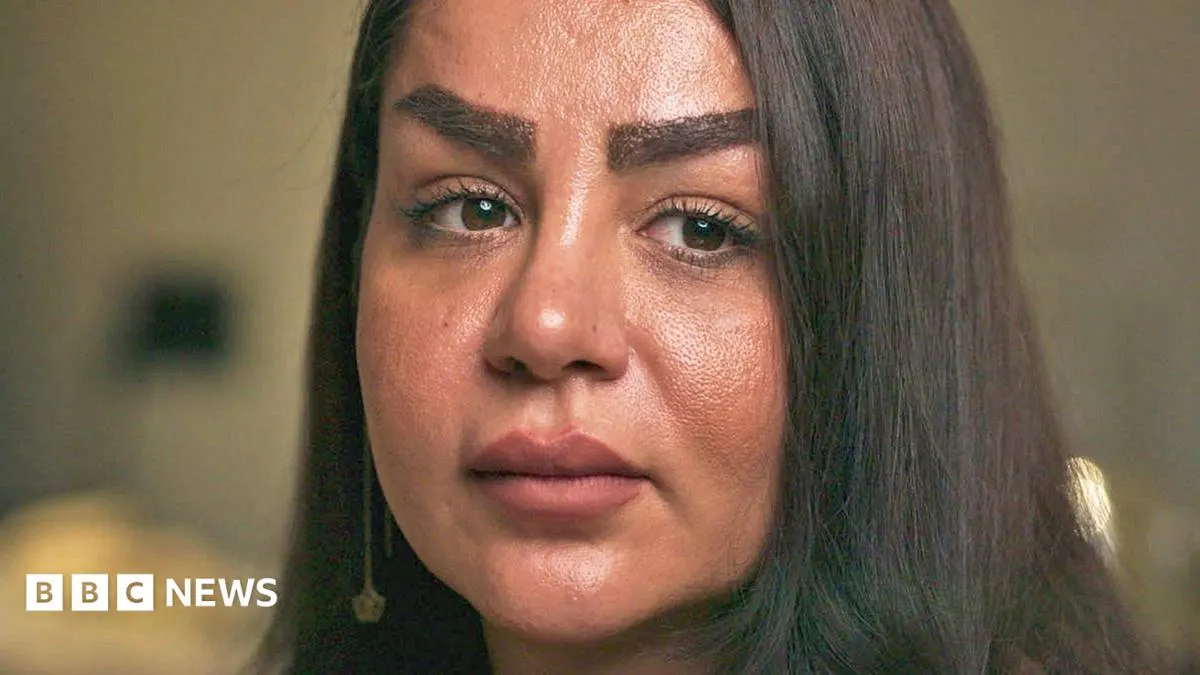
Samira says her 16-year-old daughter, Sevda, was shot dead by Iranian security forces during protests near Tehran on 9 January. Her grief and anger at the authorities’ handling of the search for Sevda’s body led Samira to flee Iran and pursue accountability from abroad, making her story part of a wider effort to document the crackdown.
The demonstrations began amid economic discontent and grew into calls to end the Islamic Republic. Samira says Sevda admired Mahsa Amini and Nika Shakarami, and that the pair joined protests after a call from exiled opposition figure Reza Pahlavi. Iran’s embassy in London said peaceful protests had been hijacked by foreign powers and that the US had encouraged violence.
In short
- Samira says Iranian forces killed her daughter Sevda, aged 16.
- She fled Iran and is seeking accountability from abroad.
- Protests over economic hardship escalated into calls for political change.
Steelman: both sides, in good faith
The strongest fair case each way — we don't pick a winner.
The case for
Those seeking accountability argue that if security forces killed Sevda, her family deserves a credible investigation, access to the truth about her death and the chance to pursue justice without intimidation. Documenting alleged abuses from abroad can help preserve evidence and draw attention to a crackdown that might otherwise go unexamined.
The case against
Iranian authorities and their supporters may argue that protests which began over economic hardship became a challenge to the state, and that foreign actors encouraged or exploited unrest, creating serious security concerns. On this view, the state had a duty to restore order and investigate violence, while claims about responsibility for individual deaths should be established through evidence rather than assumed.
Explained simply
Iran is governed by the Islamic Republic, established after the 1979 revolution. Protests have periodically challenged the authorities, including demonstrations that began over economic hardship and widened into calls for political change.
Mahsa Amini died in custody in 2022 after being detained over Iran’s rules on women’s dress; her death prompted nationwide protests. Nika Shakarami was a teenager who died during those protests. Reza Pahlavi, the son of Iran’s former shah, lives in exile and is a prominent opposition figure.
Iranian authorities have faced scrutiny over their response to protests and the deaths of demonstrators. Accounts from families, alongside official statements, are part of efforts to establish what happened and who was responsible.
Read the full article at the source →
Originally published by BBC World as “Iran killed her teenage daughter – now she is facing up to the regime”.