Entertainment news and discussion on TalkFuse.
Ray Davies, 1966, and The Kinks song he hated being compared to The Beatles: “No, no”
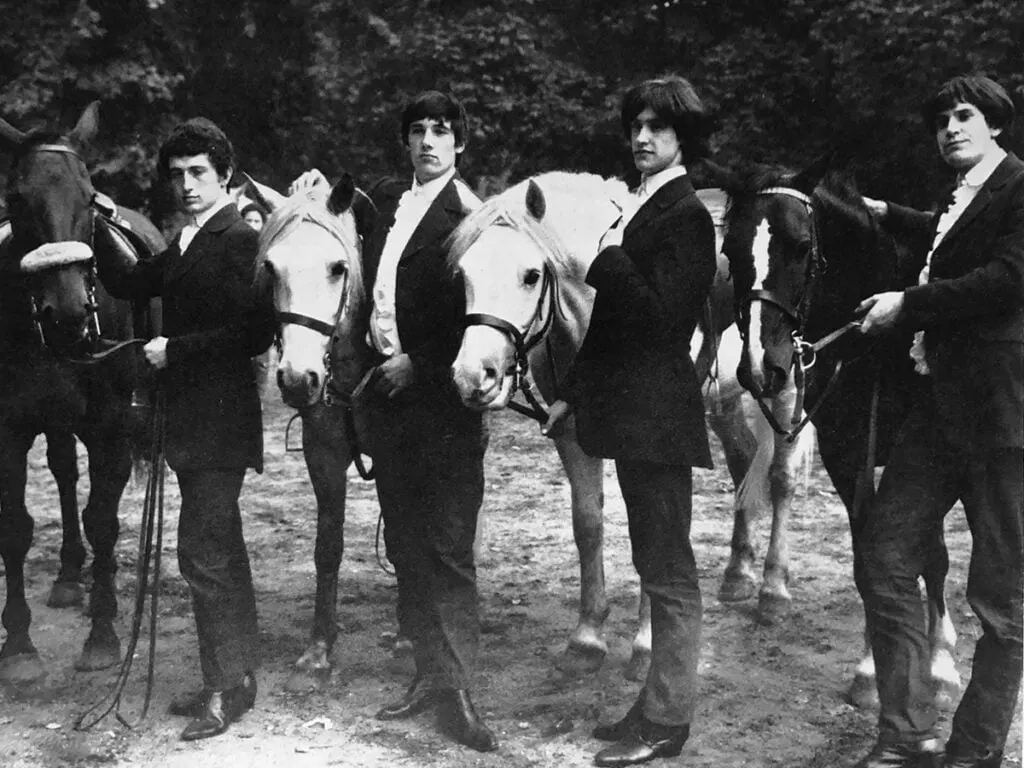
In the 1960s, The Kinks were often compared with The Beatles, whose success had transformed popular music in America and beyond. Ray Davies resisted the comparisons, arguing they obscured the Kinks’ distinct musical identity and overstated their similarity to the Liverpool group.
The article recalls Davies rejecting the claim that the Kinks were as popular as the Beatles, saying they were “more unpopular”. He also said the Kinks’ song ‘I’ll Remember’ was inspired by Buddy Holly, not the Beatles, and described its only overlap as the psychedelic sound enabled by new production techniques in 1966. Davies nevertheless said he liked the Beatles’ ‘Love Me Do’.
In short
- Ray Davies pushed back against comparisons between the Kinks and the Beatles.
- He said Buddy Holly inspired ‘I’ll Remember’.
- Davies praised ‘Love Me Do’ while stressing the bands were different.
Steelman: both sides, in good faith
The strongest fair case each way — we don't pick a winner.
The case for
Comparing the Kinks with the Beatles could help listeners place a rising British band within a familiar musical moment, and the groups did share the era’s new studio sounds. Such comparisons can also draw attention to how different artists responded to the same changes in popular music.
The case against
Davies had good reason to resist comparisons that blurred the Kinks’ own influences and identity. He attributed ‘I’ll Remember’ to Buddy Holly and argued that its resemblance to the Beatles amounted only to a production sound made possible by new techniques, while noting that the bands’ popularity was not equal.
Explained simply
The Beatles’ success in the 1960s made them a common point of comparison for other British bands, including the Kinks. The Kinks were led by singer and songwriter Ray Davies, whose songs helped give the group its own musical identity.
“I’ll Remember” was a Kinks song released in 1966, when studio techniques were making new sounds possible in pop music. Davies said its inspiration came from American singer Buddy Holly, while acknowledging that its psychedelic sound could invite comparisons with the Beatles.