Politics news and discussion on TalkFuse.
Labour MPs press Burnham to back broader slavery reparations measures
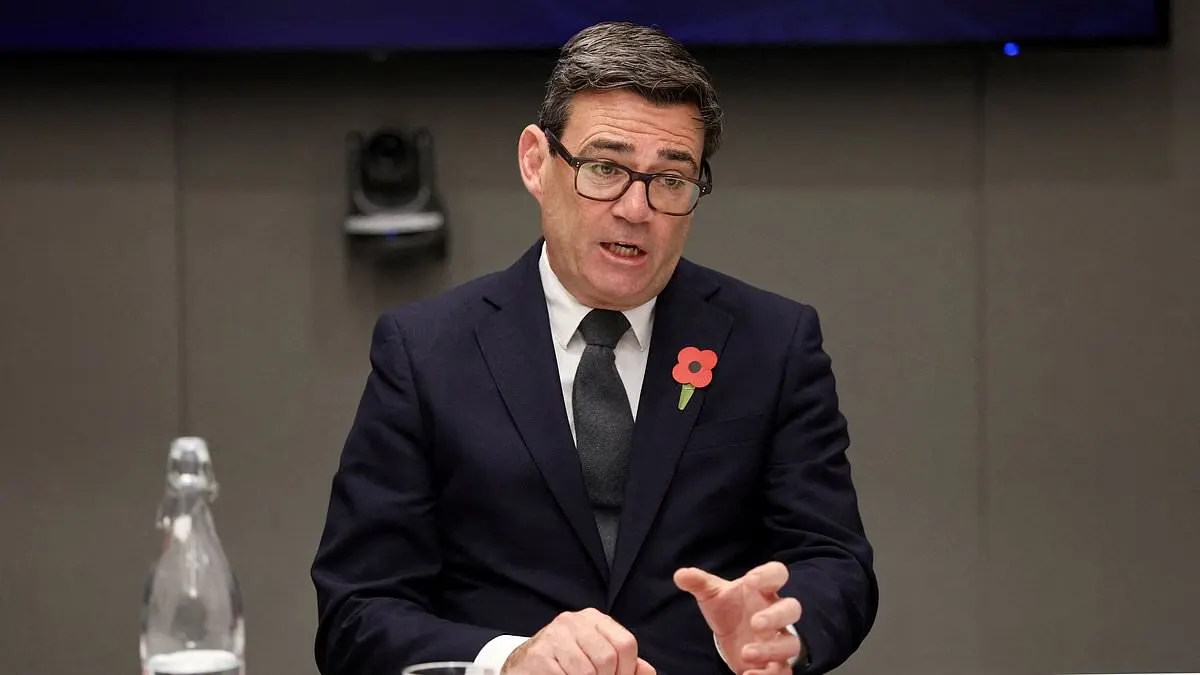
Andy Burnham has said he is open to hearing calls for a formal British state apology for slavery, prompting Labour MPs and others to press for reparatory measures. The debate could feature at the Commonwealth summit in Antigua and Barbuda, as the UK’s stance on reparations comes under scrutiny.
Burnham has rejected cash payments, suggesting debt write-offs or downgrades, while the Government may support health and education projects using existing aid budgets. Labour MPs Bell Ribeiro-Addy, Meg Hillier and Nadia Whittome argued that reparations should involve broader steps, while Green MP Carla Denyer called for a parliamentary inquiry. Conservative and Reform figures dismissed compensation, with Ben Obese-Jecty arguing that Commonwealth funding could amount to reparations.
In short
- Burnham is open to hearing calls for a formal apology.
- MPs say reparations should extend beyond cash payments.
- The Commonwealth summit may discuss the issue.
Steelman: both sides, in good faith
The strongest fair case each way — we don't pick a winner.
The case for
Supporters argue that slavery’s effects did not end with abolition and that Britain should acknowledge its role through a formal apology and practical measures shaped with affected countries. They see debt relief, health and education investment, or an inquiry as ways to address lasting harms and build more equal relationships, without limiting reparations to cash payments.
The case against
Sceptics argue that present-day taxpayers should not be held financially liable for historical wrongs, particularly where responsibility and the scale of any remedy are contested. They may favour shared development support through existing aid budgets, while warning that labelling it reparations could create open-ended obligations or imply a settled account of historical responsibility.
Explained simply
Britain’s role in the transatlantic slave trade included transporting millions of Africans into slavery and building wealth from their forced labour. Slavery was abolished across most of the British Empire in the 1830s, but its effects and the question of responsibility remain subjects of debate.
Reparations are measures intended to address the harm caused by slavery and its lasting effects. They can take different forms, including apologies, debt relief or funding for health and education, and do not necessarily mean direct payments to individuals.
The Commonwealth is an association of countries, many of which were formerly part of the British Empire. Its leaders’ meetings provide a forum for discussing shared issues, while decisions about any British response would involve the UK Government and Parliament.
Read the full article at the source →
Originally published by Daily Mail as “Left-wing MPs heap pressure on Burnham over slavery reparations after he opened door to official apology at Commonwealth summit”.