Business news and discussion on TalkFuse.
A small share of skilled traders drives prediction market profits and forecasts
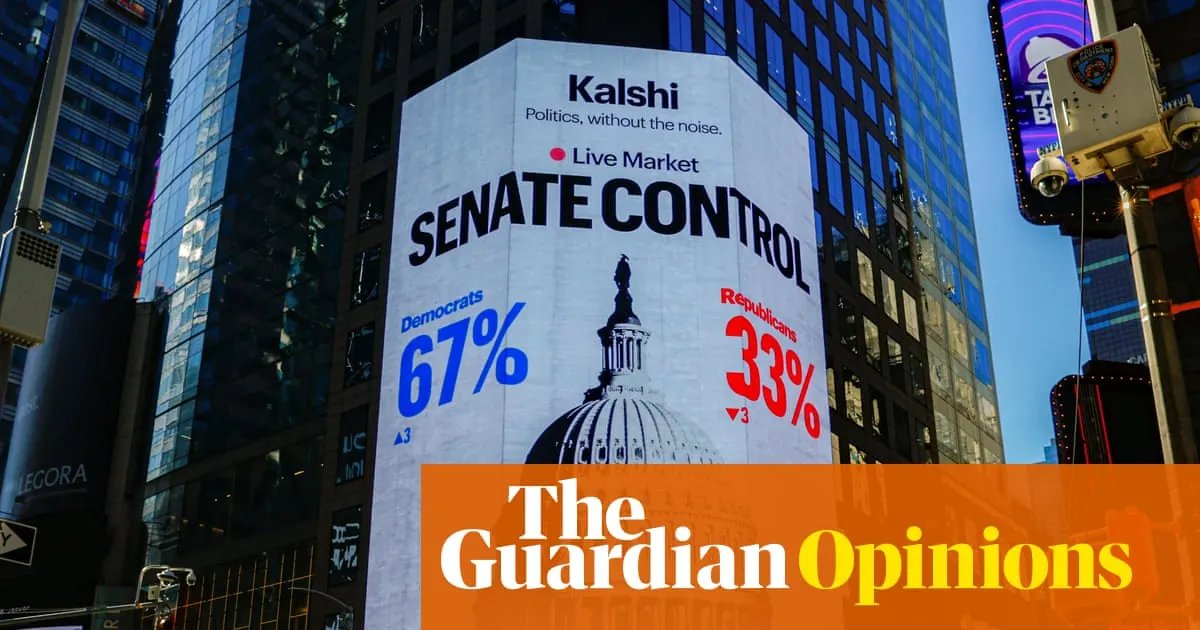
The article argues that prediction markets such as Kalshi and Polymarket present themselves as a democratic alternative to political punditry, but their apparent “wisdom of the crowd” may obscure how much a small group of skilled traders shapes their accuracy. Their election forecasts can influence voters’ expectations without helping them decide how to vote, while the promise of easy winnings risks misleading ordinary users.
The article cites a London Business School and Yale working paper finding that about 3% of Polymarket accounts were persistently skilled, while most bettors performed no better than chance. A Wall Street Journal analysis of 1.6 million accounts found that three-quarters of profits went to 0.1% of them; around 2,000 accounts made nearly half a billion dollars. The article says professional traders use data, algorithms and rapid trading, while casual users supply much of the money and bear most losses.
In short
- A small minority of Polymarket traders account for much of its predictive accuracy.
- Most bettors lose while a tiny share captures most profits.
- The markets may shape election expectations without improving voters’ choices.
Steelman: both sides, in good faith
The strongest fair case each way — we don't pick a winner.
The case for
Prediction markets can combine many participants’ information and give a timely, measurable forecast that may be more transparent than pundits’ judgements. A small number of skilled traders can improve prices by researching carefully and correcting mispricing, while the prospect of profit gives people an incentive to share useful information; unequal winnings alone do not show that the forecasts lack value.
The case against
If a small minority of skilled accounts captures most profits while ordinary users mostly lose, the markets’ democratic image may conceal a system in which casual participants subsidise professionals. Their forecasts can shape public expectations despite reflecting concentrated expertise rather than broad judgement, and the promise of easy winnings may encourage people to mistake a speculative market for a reliable way to make money.
Explained simply
Prediction markets let people buy and sell contracts tied to the outcome of an event, such as an election. Platforms including Kalshi and Polymarket display prices that can be read as forecasts, and are often presented as a way to combine many people’s views.
The people using these markets range from occasional bettors to professional traders who may rely on data and automated tools. Research cited in the story suggests that a small minority of accounts have been consistently skilled, while profits are concentrated among very few users.
Election forecasts can shape what people expect to happen, but they do not tell voters which candidate to support. The markets also involve financial risk: users can lose money, and the prospect of easy winnings may give newcomers an incomplete picture of how they work.
Business Elections Markets Politics
Read the full article at the source →
Originally published by The Guardian as “Prediction market bettors are the new political pundits. Why are we listening to them? | Judith Levine”.