Politics news and discussion on TalkFuse.
838,000 low-income households on council tax support excluded from £100 payment
Developing story first seen 2 hours ago
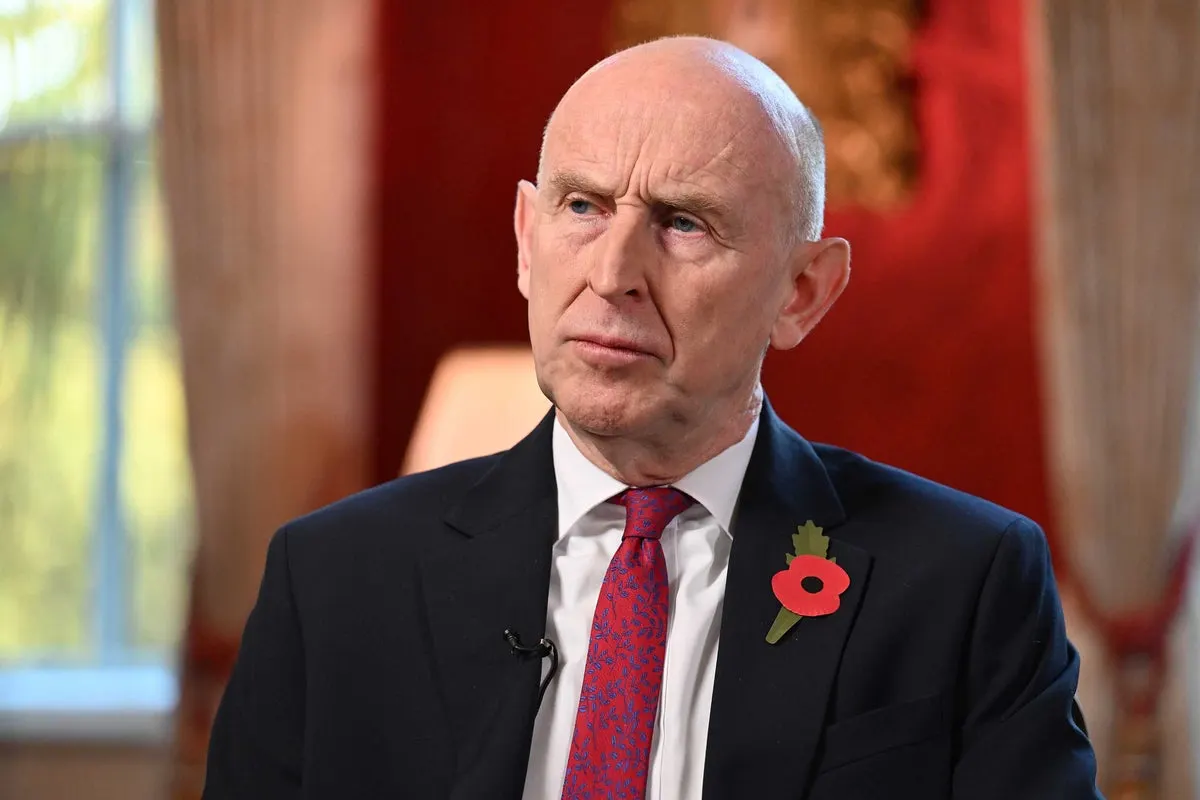
New analysis estimates that 838,000 households claiming Council Tax Support will miss out on the Government’s planned £100 energy payment, despite their low incomes. The findings highlight how targeting support by council tax band may exclude families with greater need as energy bills are forecast to rise.
The payment is due from January to about 20 million households in council tax bands A to D, at a cost of £2.6bn funded by a temporary tax increase on bank profits. Policy in Practice says 84 per cent of those excluded live with a disabled person, have children or are below the poverty line. Government estimates indicate 12 per cent of households in the bottom three income deciles will miss out; EDF forecasts a 27 per cent rise in typical annual bills to £2,189.
- Sources
- 2
- Outlets
- 2
- Left · Centre · Right
- 1 · 0 · 1
In short
- 838,000 Council Tax Support households are set to miss the £100 payment.
- 84 per cent of those excluded have added signs of financial need.
- EDF forecasts typical annual energy bills will reach £2,189 in January.
How this story developed
- 1 hour ago The latest account added that councils will receive £100 million for discretionary support, while the January payment remains limited to homes in council tax bands A to D.
- 1 hour ago An analysis estimated that 838,000 households receiving Council Tax Support would be excluded from the planned £100 energy payment, with most of those affected living with a disabled person, having children or below the poverty line.
Full account
A government payment of £100 towards energy bills is expected to reach about 20 million households from January. Announced by Chancellor John Healey in last week’s Budget, the scheme covers homes in council tax bands A to D and is expected to cost £2.6 billion. The government says the measure is intended to ease pressure during the colder months; it will be partly funded by a temporary increase in tax on bank profits.
But an estimated 838,000 households receiving Council Tax Support will not qualify because their homes fall outside the eligible bands, according to analysis by Policy in Practice. The organisation argues that council tax bands do not reliably reflect a household’s means: people on low incomes may live in larger or higher-band homes, have little choice over their accommodation, or share a property with relatives to manage costs. Its analysis also found that larger low-income families are more likely than the average low-income household to live in bands E to H.
Policy in Practice estimates that 84 per cent of the households excluded either include a disabled person, have children or are below the poverty line. Separately, the government’s estimates suggest the payment will reach 88 per cent of households in the bottom three income deciles and 83 per cent of households classed as fuel-stressed. The Resolution Foundation, cited in one report, has put the number of households in the bottom half of the income distribution who will miss out at about 1.4 million; that is a broader measure than the count of Council Tax Support claimants used by Policy in Practice.
The reports place the payment against forecasts of higher energy bills in the new year, although they cite different figures and baselines: one refers to an EDF forecast of a 27 per cent rise for a typical bill to £2,189, while the other cites an Ofgem cap that rose to £1,723 in October and a further increase of about 22 per cent forecast for January. One report also notes that the scheme may direct more support to the North and Midlands than the South East, where fewer homes are in bands A to D. Healey also announced £100 million for councils’ discretionary support funds. Policy in Practice director Deven Ghelani called for easier access to existing support, saying that billions of pounds of assistance go unclaimed each year because of low awareness, administrative complexity and stigma.
Where outlets differ
From the full account, which is AI-written from the sources:
The Independent report foregrounds the mismatch between council tax bands and household need, and includes the Resolution Foundation’s wider estimate of 1.4 million households in the bottom half of the income distribution missing out. The second report focuses on the Policy in Practice analysis, including its finding about larger families, and adds a regional distribution point about the North, Midlands and South East.
The energy-cost figures differ: the first report cites EDF’s forecast of a 27 per cent rise to £2,189, while the second gives Ofgem’s October price-cap figure of £1,723 and a forecast January rise of about 22 per cent. These are attributed to different measures and forecasts.
Left-leaning outlets 1
Only here: income, council, support, excluded, payment
Right-leaning outlets 1
- Labour's '£100 energy bailout for the North' will 'miss out 830,000 of the poorest households'Daily Mail
Only here: labour, energy, bailout, north, miss
Every side used: households
Headline columns compared word for word; nothing in them is AI-written.
Steelman: both sides, in good faith
The strongest fair case each way — we don't pick a winner.
The case for
A universal £100 payment to households in council tax bands A to D offers a relatively simple way to provide timely help to a large share of households facing higher energy bills. Using property bands can make eligibility easier to administer, while the £100m in local discretionary funds gives councils some scope to assist people whose circumstances are not captured by the main rule.
The case against
Council tax band is an imperfect proxy for ability to pay: people in higher-band homes may have low incomes, disabilities or caring responsibilities, and face the same steep bill rises as other households. Excluding more than 838,000 Council Tax Support claimants, many with signs of significant need, risks directing help away from people who may need it most; more income- or hardship-based eligibility could target support more fairly.
Explained simply
Council Tax Support is a means-tested reduction in council tax for people on low incomes. Council tax bands, by contrast, are based mainly on a home’s value, so they do not show how much money a household has available or how high its energy costs are.
The planned £100 energy payment is intended to help households with bills, with eligibility linked to council tax bands A to D. The Government says the scheme will reach about 20 million households and be funded by a temporary increase in tax on bank profits.
The issue is whether a broad rule based on property band directs help to households facing the greatest financial pressure. Policy in Practice’s analysis points to many excluded households having children, a disabled person or incomes below the poverty line.
Coverage · 2 sources
Bias meters
From 2 rated sources.
Read the full article at the source →
Originally published by The Independent as “More than 800,000 low-income families to miss out on £100 energy payment”.