Science news and discussion on TalkFuse.
From scooters to shampoo – the people saving hundreds from dumpster diving
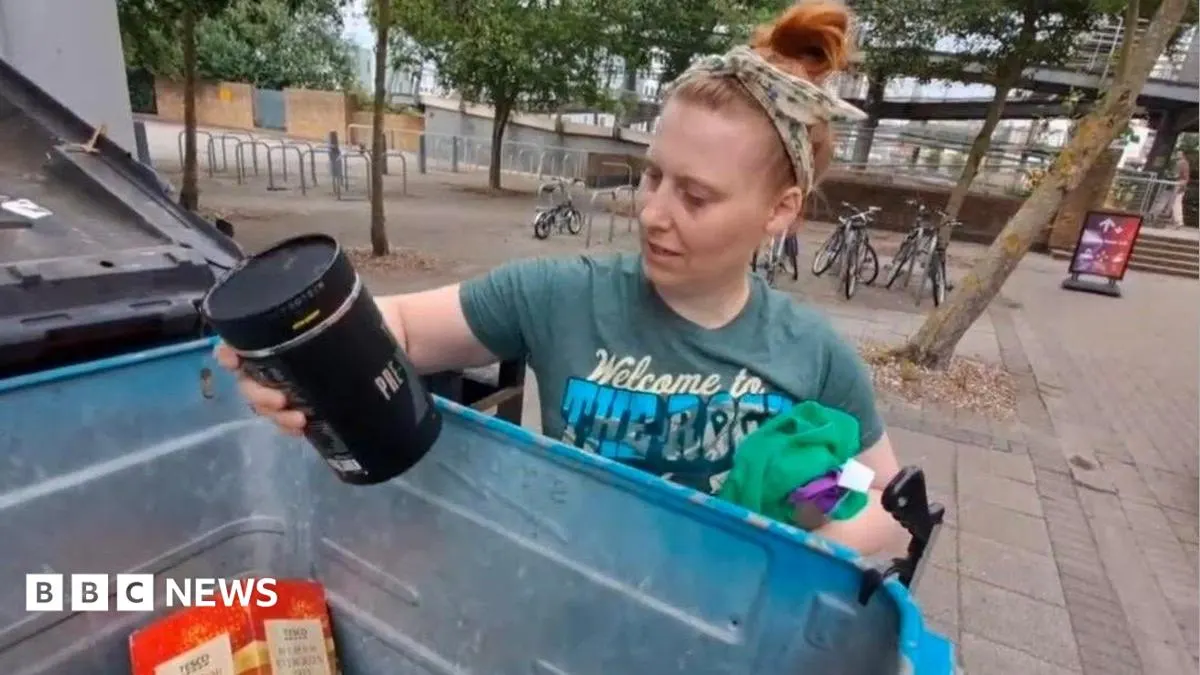
People across the UK and US are searching commercial bins for usable clothes, household goods and other discarded items, saving money and preventing waste. Their finds can support families, charities and creative projects, while some items are sold on.
North Londoner Darryl Baker says six months of salvaging clothes and other goods saved her hundreds of pounds; she has also sold a Barbour jacket for £30. In Texas, Jeff Ferrell says scrap metal earns him about $150 (£110) every two weeks, while his wider finds are worth tens of thousands of dollars a year. Stylist Millie Diamond reworks discarded textiles, and Essex resident Charlotte Bayford says salvaged toiletries mean she has not bought shampoo for eight years.
In short
- Dumpster divers salvage useful goods and save money.
- Finds include clothing, toiletries, food and household items.
- Some donate, sell or refashion what they recover.
Steelman: both sides, in good faith
The strongest fair case each way — we don't pick a winner.
The case for
Searching commercial bins for usable goods can help people cope with rising living costs while keeping clothes, toiletries and household items out of landfill. Supporters may see it as practical reuse: salvaged goods can benefit families, charities and creative projects, and selling some finds can provide extra income.
The case against
Critics may argue that taking goods from commercial bins can create safety, hygiene and liability concerns, and may involve trespass or conflict with businesses’ rules. They may also caution that relying on discarded goods is an insecure response to hardship and that widespread scavenging could shift attention away from reducing overproduction and improving access to affordable essentials.
Explained simply
Dumpster diving is the practice of looking through commercial bins for items that shops and other businesses have thrown away. People may salvage clothes, toiletries, household goods or scrap metal to use themselves, give to others, make into something new or sell.
The practice can help people cut household costs and keep usable goods out of landfill. The value of what is found varies: some people reuse items, while others sell them or use the proceeds to support charitable or creative work.