Science news and discussion on TalkFuse.
Boulders dropped off coast to disrupt deep fishing
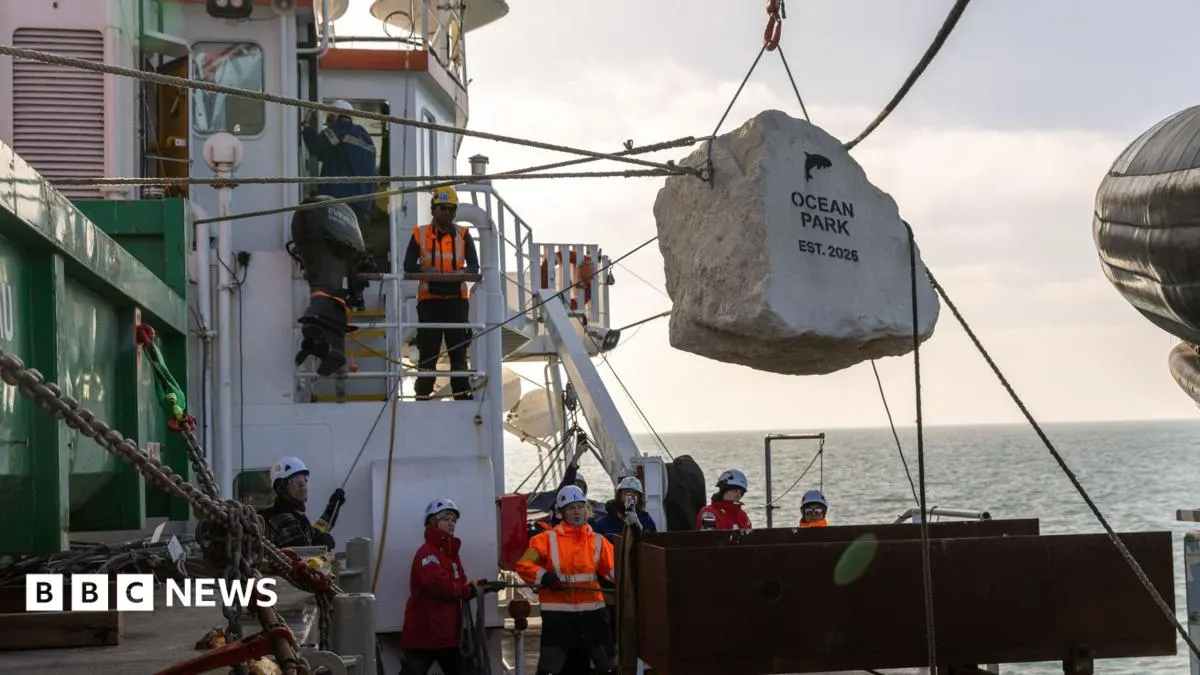
Greenpeace has dropped nine boulders off the Norfolk coast to obstruct bottom-trawling fishing vessels in the Southern North Sea Marine Protected Area. The group says the action is intended to protect seabed habitats and harbour porpoises, and reflects its frustration at what it sees as slow progress on marine protections.
The boulders were released from the ship Arctic Sunrise over the weekend without a licence; Greenpeace says it later shared their coordinates with authorities so they could be added to navigation maps. The group claims the barrier restricts trawling across 116 sq km (45 sq miles). Defra said damaging fishing is already banned at more than 100 protected sites, that further restrictions are being considered, and that activities at sea should be lawful.
In short
- Greenpeace dropped nine boulders off Norfolk.
- It says they restrict trawling across 116 sq km.
- The boulders were placed without a licence.
Steelman: both sides, in good faith
The strongest fair case each way — we don't pick a winner.
The case for
Supporters would argue that bottom trawling can damage seabed habitats and that stronger protection is needed for marine life, including harbour porpoises. They may see the boulders as a peaceful way to draw attention to delays in protecting the area and to prevent harm while authorities consider further restrictions.
The case against
Critics would argue that placing obstacles at sea without a licence bypasses lawful decision-making and could create risks for navigation or fishing vessels, even if coordinates are shared afterwards. They may also contend that marine protections should be set and enforced by public authorities, which can weigh conservation goals against fishing livelihoods and other uses of the sea.
Explained simply
Bottom trawling is a type of fishing in which heavy nets are dragged along the seabed to catch fish living near the bottom. The method can disturb seabed habitats and affect marine animals, including harbour porpoises, which live in UK coastal waters.
The Southern North Sea Marine Protected Area is a designated area intended to safeguard marine wildlife and habitats. Greenpeace is an environmental campaign group; Defra is the UK government department responsible for the environment and fisheries. Rules on fishing in protected waters matter because they determine how conservation aims are balanced with fishing activity and safe navigation.