Culture news and discussion on TalkFuse.
‘His voice was too queer – so they silenced him’: how Spain’s national poet Lorca finally became a gay icon
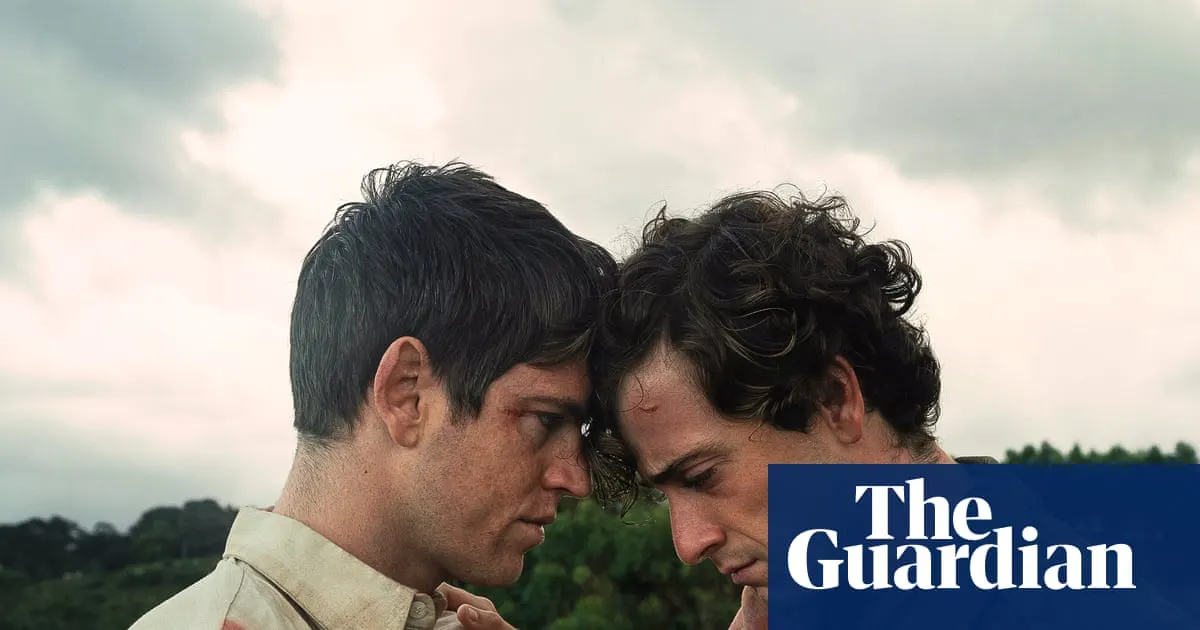
Federico García Lorca is increasingly being embraced as a gay icon in Spain, as artists and audiences revisit his work through a queer lens. The renewed attention, including a drag tribute in London and the film La Bola Negra, is helping address decades of silence around the poet’s sexuality.
Lorca, born near Granada in 1898, was never openly gay, and his body was never found after he was killed by Franco’s nationalist regime in 1936. Discussion of his sexuality was suppressed for years, partly because writers feared losing access to family archives; biographer Ian Gibson says his 1985 biography, which put Lorca’s homosexuality at its centre, ended his relationship with the family. The article says La Bola Negra is Spain’s highest-grossing film of the year, while a 2026 reissue of Gibson’s book and the play behind the film have also drawn interest.
In short
- Lorca is gaining recognition as a gay icon in Spain.
- His sexuality was largely omitted from accounts for decades.
- New films, performances and books are renewing interest in his work.
Explained simply
Federico García Lorca was a Spanish poet and playwright, born near Granada in 1898. He wrote about love, desire and social constraints, and became one of Spain’s best-known writers.
Lorca was killed in 1936, during the early months of the Spanish Civil War, when forces loyal to General Francisco Franco rose against Spain’s elected government. His body has never been found, and he did not publicly identify as gay during his lifetime.
For decades, discussion of Lorca’s sexuality was limited, in part because researchers depended on access to his family’s papers. Biographers and artists have since examined his life and writing through a queer lens, shaping how many people understand his work and its place in Spanish culture.
Culture Entertainment Europe Film World